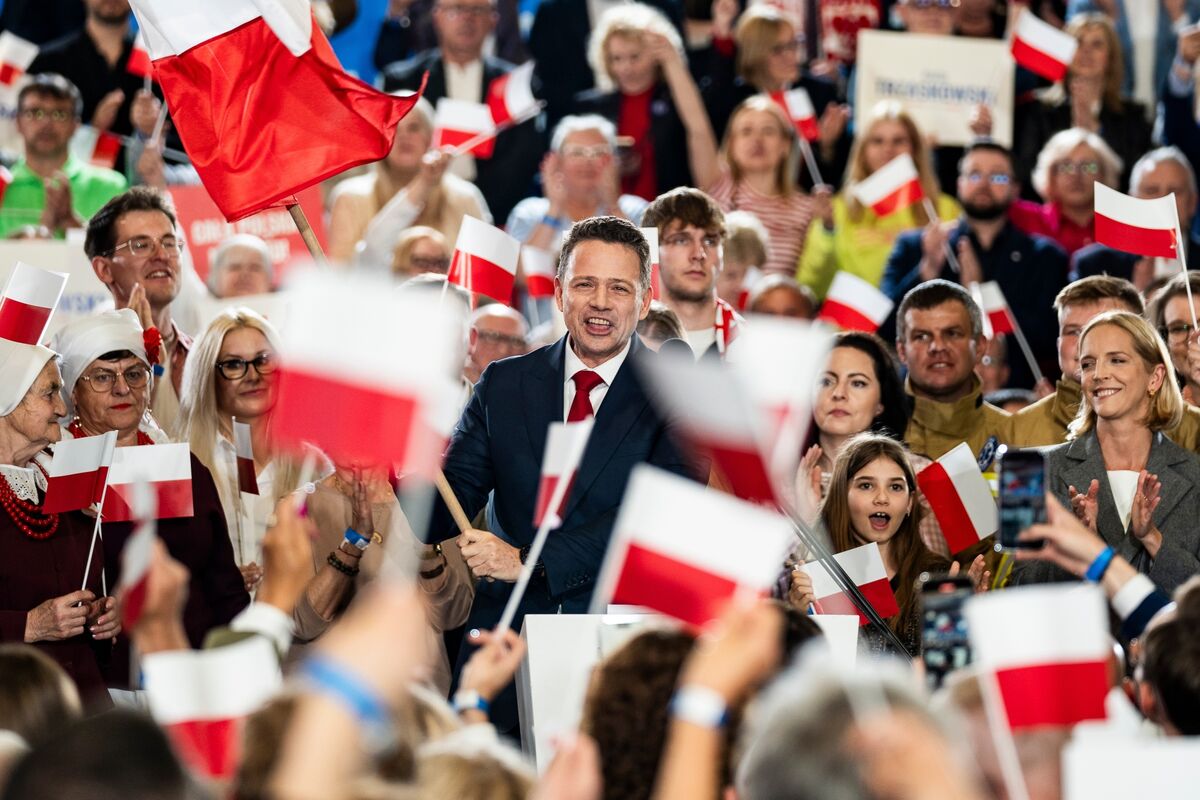
Poland's upcoming presidential election is pivotal in determining whether the country will reverse controversial judicial reforms and maintain its standing within the European Union following a period of right-wing populism; Prime Minister Donald Tusk aims to secure a centrist ally as president to advance his pro-EU policy agenda, which has faced opposition from the outgoing nationalist president.
Poland's upcoming presidential election is a pivotal event that will significantly influence the country's ability to implement judicial reforms and its standing as a partner within the European Union, following nearly a decade of governance by the right-wing populist Law & Justice party. The election outcome will determine if Prime Minister Donald Tusk, whose pro-EU coalition gained power in late 2023, can secure a presidential ally to support his policy agenda, which has been consistently obstructed by outgoing President Andrzej Duda of the Law & Justice party. This contest is therefore crucial not only for Poland's domestic policy, particularly regarding controversial judicial changes, but also serves as a broader indicator for populist movements across Europe. While the provided signals indicate a neutral sentiment and a relatively low market impact score of 0.25, the political stakes are high, as a shift in the presidency could unlock Tusk's reform efforts or perpetuate the current legislative impasse.
AI-powered research, real-time alerts, and portfolio analytics for institutional investors.
Request DemoOverall Sentiment
neutral
Sentiment Score
0.00
