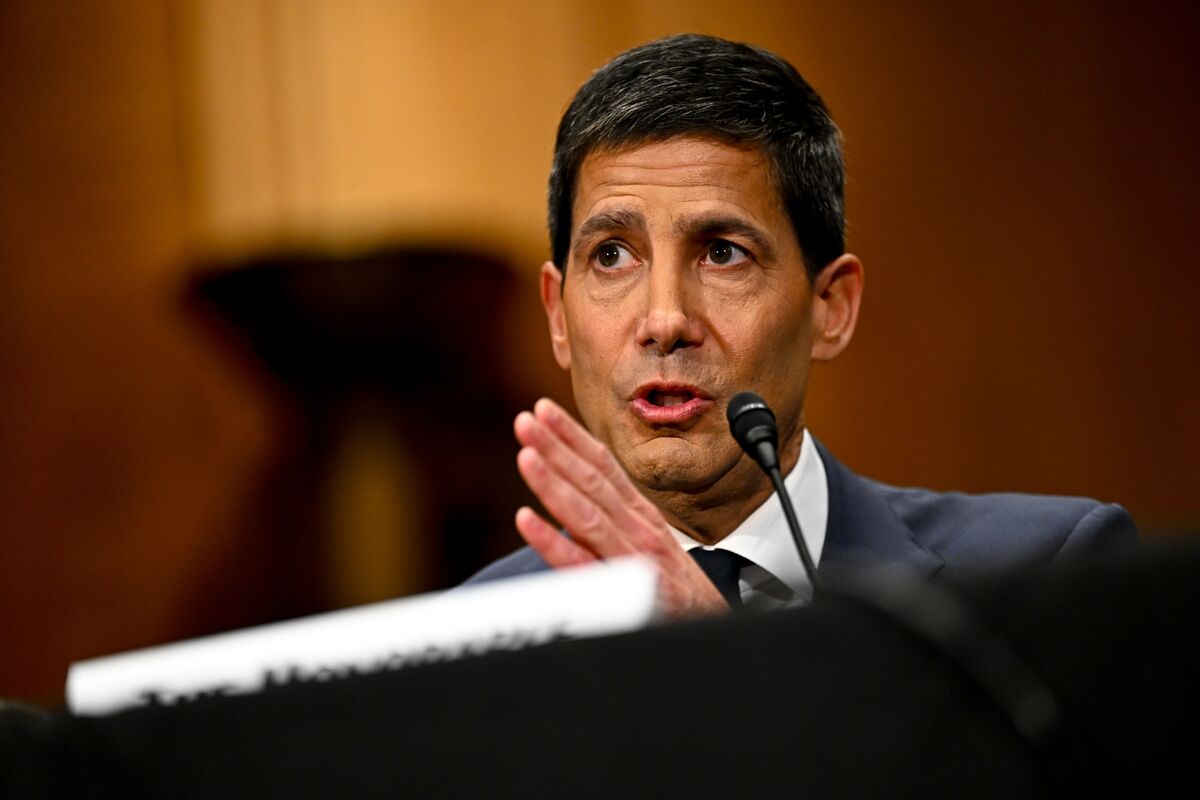
Senator Thom Tillis is dropping his blockade of Kevin Warsh’s Fed nomination, clearing the path for a swift confirmation to replace Jerome Powell when his term ends on May 15. The move follows the Justice Department’s decision to end a criminal probe targeting Powell, reducing concerns about threats to Federal Reserve independence. The development is materially relevant for monetary-policy expectations and has potential market-wide implications.
The market implication is less about the nominee himself and more about a rapid de-risking of the Fed succession process. A cleaner path to confirmation reduces the odds of a prolonged institutional fight that would have kept term-premium elevated and forced investors to price a more politicized policy regime; that should modestly support duration, especially in the belly where policy expectations are most sensitive over the next 6-12 months.
The bigger second-order effect is that a new chair arriving under a cloud of political negotiation tends to have a narrower credible policy window. That can compress the market’s willingness to assign aggressive easing odds if the incoming chair is perceived as more growth- or market-friendly than the current regime, which is mildly bearish for long-end Treasuries but supportive for rate-sensitive equities only if the confirmation path also implies policy stability. Financials and housing are likely to react more to volatility suppression than to any actual change in the funds path over the next quarter.
The contrarian risk is that the market may be overpricing a “Fed reset” trade before any actual policy signal changes. The transition window is still months, and the most actionable move may be a short-lived relief rally in duration rather than a durable trend unless the nominee explicitly validates a slower balance-sheet normalization or more dovish reaction function. If the confirmation runs smoothly, the first reversal catalyst would be any sign that the new chair is materially less independent than the market assumed, which would widen term premium and steepen the curve again.
AI-powered research, real-time alerts, and portfolio analytics for institutional investors.
Request DemoOverall Sentiment
mildly positive
Sentiment Score
0.15
