
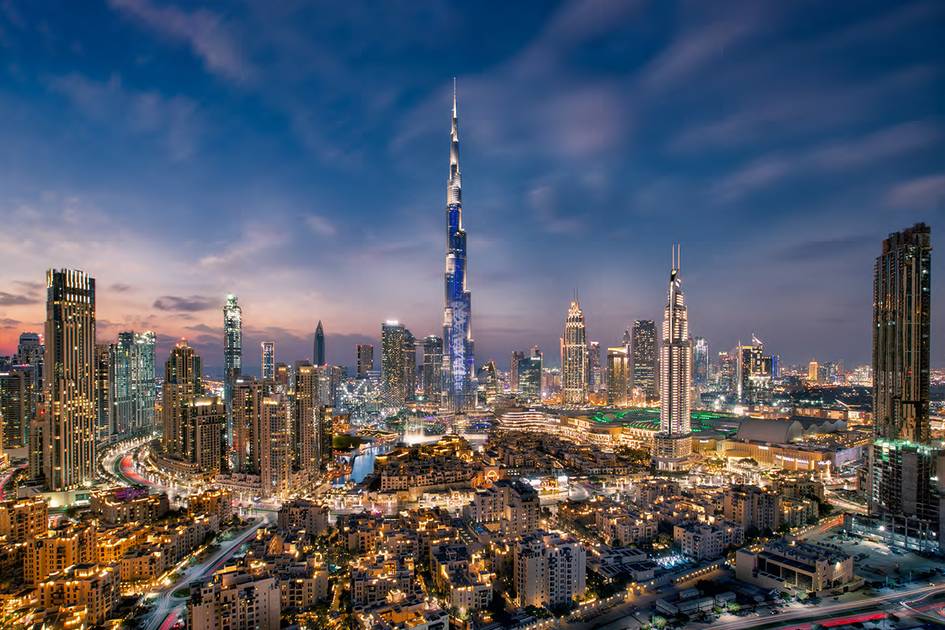
Reuters reports luxury sales at the Mall of the Emirates in Dubai fell 30% to 50% in March, while footfall at the Dubai Mall reportedly dropped 50%, signaling a sharp deterioration in one of the sector's key growth regions. The Middle East, which had been a crucial offset to slowing demand in China, is now being hit by geopolitical तनाव related to Iran, Israel and the US, undermining luxury groups' regional diversification. The report also flags broader contagion risks through higher oil prices, travel disruption and weaker wealth effects, with implications for LVMH, Kering and Hermès.
The important signal here is not a one-off Dubai traffic shock; it is the loss of the luxury sector’s highest-beta marginal growth engine at the exact moment China remains unreliable. That changes earnings quality for the Europeans: mix, pricing power, and inventory discipline all matter more when the last incremental buyer disappears, and fixed-cost leverage turns against them quickly. In the next 1-2 quarters, the market is likely underestimating how a regional demand air pocket can cascade into lower wholesale replenishment, weaker tourism-linked sales in Europe, and more promotional leakage into the second half.
The second-order risk is that this is not isolated to luxury. Higher oil and disrupted air routes hit the broader travel-retail complex, while weaker global risk appetite can pressure “aspirational” luxury demand in the US and parts of Asia through the wealth effect. That creates a negative feedback loop: softer consumer discretionary spending lowers confidence, which then reinforces weaker store traffic and inventory caution across brands. If volatility in energy or equities persists for another 4-8 weeks, management commentary will likely shift from “regional softness” to explicit demand normalization assumptions.
The contrarian angle is that the selloff may be over-discounting permanence. Gulf demand is unusually elastic to perceptions of safety and can rebound faster than China if geopolitical headlines stabilize, especially because the region remains a high-income hub with concentrated tourism flows. The key distinction is between a temporary air-traffic shock and a structural migration of luxury spending; if the former, the market may be setting up a sharp relief rally on any de-escalation or lower oil volatility. However, until that catalyst appears, the burden of proof is on bulls.
For names with the cleanest regional exposure, consensus may still be too complacent about margin resilience: luxury groups can protect gross margin, but they cannot fully offset a meaningful drop in store traffic without weaker volumes later. The risk/reward now skews toward shorting near-term earnings revisions rather than long-term brand equity. The best setup is likely relative-value rather than outright sector bear case, because the impact will vary sharply by geography and channel mix.
AI-powered research, real-time alerts, and portfolio analytics for institutional investors.
Request TrialOverall Sentiment
strongly negative
Sentiment Score
-0.58
Ticker Sentiment
