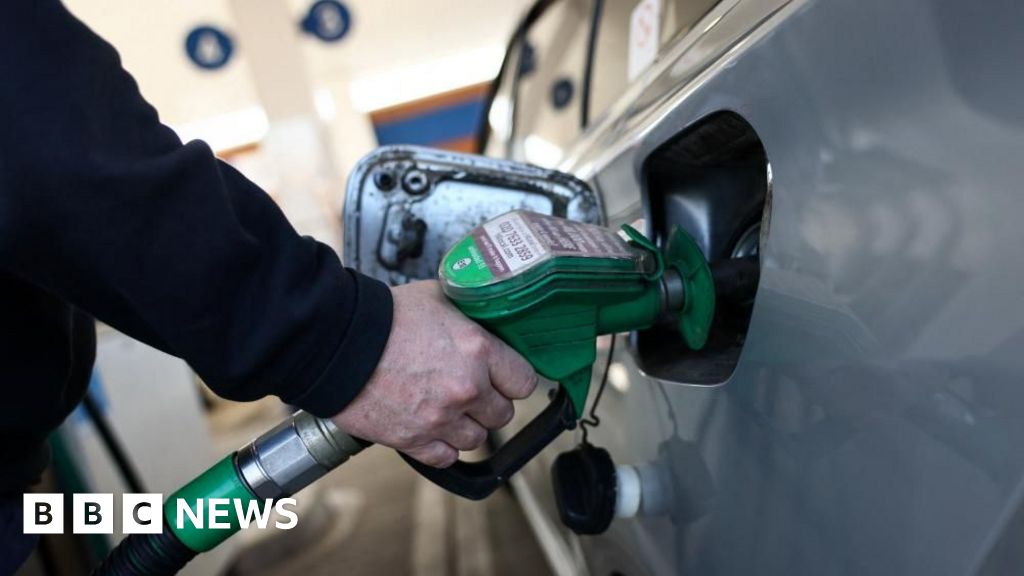
The Iran conflict has driven immediate upward pressure on energy, shipping and input costs: UK pump prices are around 132.14p/litre for petrol and 142.15p/litre for diesel with short-term daily rises of ~3p–5p, US petrol/diesel are up ~23c/41c per gallon week-on-week, UK gas briefly traded above 165p/therm before settling lower, and supertanker rates from the Middle East to China topped $400,000/day. Shipping through the Strait of Hormuz has largely halted (~200 tankers affected), insurance and freight costs have surged, and urea futures hit $567/tonne (up 21% in a week), raising risks of higher consumer prices and a reversal in disinflation; that increases the likelihood central banks will delay or pare back expected rate cuts. Hedge funds should monitor energy/freight-volatile exposures, fertilizer and agrochemical names, and interest-rate-sensitive assets as this geopolitical shock could sustain commodity-driven inflation and influence policy paths.
Market structure: Immediate winners are upstream energy producers (XOM, CVX, RDS.A) and LNG exporters (LNG) as physical supply/transport friction pushes oil and gas prices higher; fertiliser producers (CF, MOS, NTR) and tanker owners (FRO, EURN) capture outsized cashflows from spike in freight (supertanker >$400k/day). Losers are energy‑intensive consumers, container shippers (ZIM) and European utilities exposed to UK/TTF gas; grocery margins will be squeezed if urea/transport pass‑through persists. Pricing power shifts to producers and asset owners with constrained capacity; container lines face margin squeeze if carriers reprice but demand softens.
Risk assessment: Tail risks include a protracted closure of the Strait of Hormuz driving WTI to $120–$150 within weeks or cascading insurance market withdrawal; sanctions escalation could cut Middle East gas for months. Near term (days–weeks) expect volatility spikes; short term (1–6 months) supply tightness and fertilizer/cargo pass‑through; long term (quarters) risk of sticky inflation forcing fewer central‑bank cuts and higher real yields. Hidden dependency: fertiliser output tied to Qatar gas; second‑order risk is food inflation → political risk and trade barriers.
Trade implications: Prioritise convex, hedged energy exposure and real‑asset inflation hedges: use call‑spreads on WTI (3‑month $90/$120) and selective longs in CF/MOS for 3–12 months. Reduce duration: cut 10Y exposure by ~25% and buy 2–5y TIPS (or VTIP) to hedge sticky inflation if core CPI remains >2.5% for two consecutive months. Allocate small, tactical positions to tanker owners (1–2% of portfolio) with tight stop‑loss tied to TC rates.
Contrarian angles: Consensus assumes persistent high inflation; if conflict remains contained, oil could mean‑revert in 2–3 months as producers and strategic stocks are released — avoid levering pure-play E&P without hedges. European gas and UK gas equities may be over‑priced given price‑cap mechanics; consider underweight UK utilities vs continental industrials that could benefit from onshoring. Historical parallels (short Gulf skirmishes) suggest fast mean reversion, so prefer options/capped exposure over outright leveraged longs.
AI-powered research, real-time alerts, and portfolio analytics for institutional investors.
Request TrialOverall Sentiment
moderately negative
Sentiment Score
-0.50
