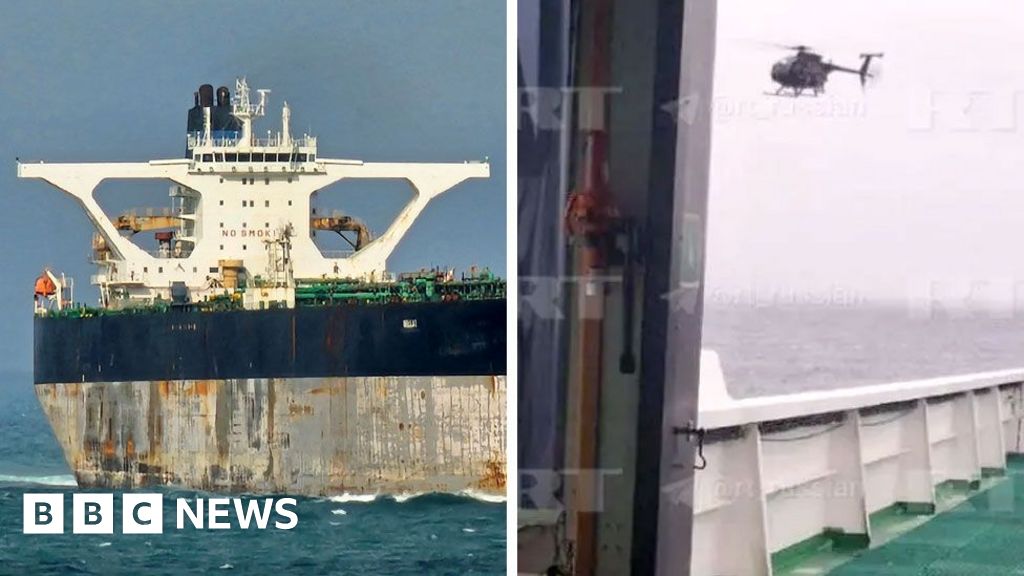
U.S. forces conducted back-to-back boardings and seized two tankers tied to Venezuelan crude — the Russian-flagged Marinera (formerly M/V Bella 1) in the North Atlantic and M/T Sophia in the Caribbean — alleging sanctions-busting and stateless/false-flag activity. The operations, supported logistically by the UK, follow U.S. efforts to choke Venezuelan exports and comments that up to 50 million barrels (about $2.8bn) of Venezuelan oil could be turned over to the U.S.; Russia and China condemned the actions. Hedge funds should expect heightened geopolitical risk around Venezuelan crude flows and potential upside volatility in oil markets as sanctions enforcement tightens and international friction increases.
Market structure: Seizing two ‘shadow fleet’ tankers tightens supply of heavy/sour barrels from Venezuela and raises freight/insurance premia. Short-term winners: US refiners with sour-crude capability (Valero VLO, PBF PBF) and integrated majors (XOM, CVX) if Brent rises; tanker owners (INSW, STNG, FRO) see spot-rate upside. Losers: sanctioned traders, shadow-fleet owners, and buyers reliant on discounted Venezuelan crude (Chinese refiners/independent refiners). Quantitatively, if seizures remove 0.3–0.8 mb/d of effective supply the market could see +$1–3/bbl immediate, +$5–10/bbl if sustained over 3–6 months. Risk assessment: Tail risks include naval incidents with Russia/China or retaliation that spike oil >$20/bbl and disrupt chokepoints; low-probability but >$250bn market shock potential. Time horizons: days = volatility in oil/freight; weeks–months = rerouted voyages, higher insurance; quarters = permanent shadow-fleet adaptation. Hidden dependencies: insurance/P&I withdrawal, port denials, and ship-to-ship laundering that can mute official supply impact. Catalysts: US court rulings (30–90 days), diplomatic negotiations, and China’s procurement decisions. Trade implications: Tactical plays favor energy and tanker exposure for 1–3 month windows while hedging geopolitical escalation. Prefer liquid, US-listed names and capped option structures to control tail risk; avoid direct exposure to sanctioned counterparties. Monitor freight indicators (BDTI/BDTI Dirty) and US court actions as timing triggers for scaling positions. Contrarian view: Consensus presumes durable supply loss; historical parallels (Iran sanctions 2019) show shadow fleets re-route and obscure ownership within 3–9 months, capping price upside. The market may overshoot oil and tanker equities in first 4–8 weeks; if China steps up clandestine purchases the tightening will be smaller. Unintended consequence: higher freight/insurance squeezes refinery margins and favors integrated majors over pure refiners over the medium term.
AI-powered research, real-time alerts, and portfolio analytics for institutional investors.
Request DemoOverall Sentiment
moderately negative
Sentiment Score
-0.25
