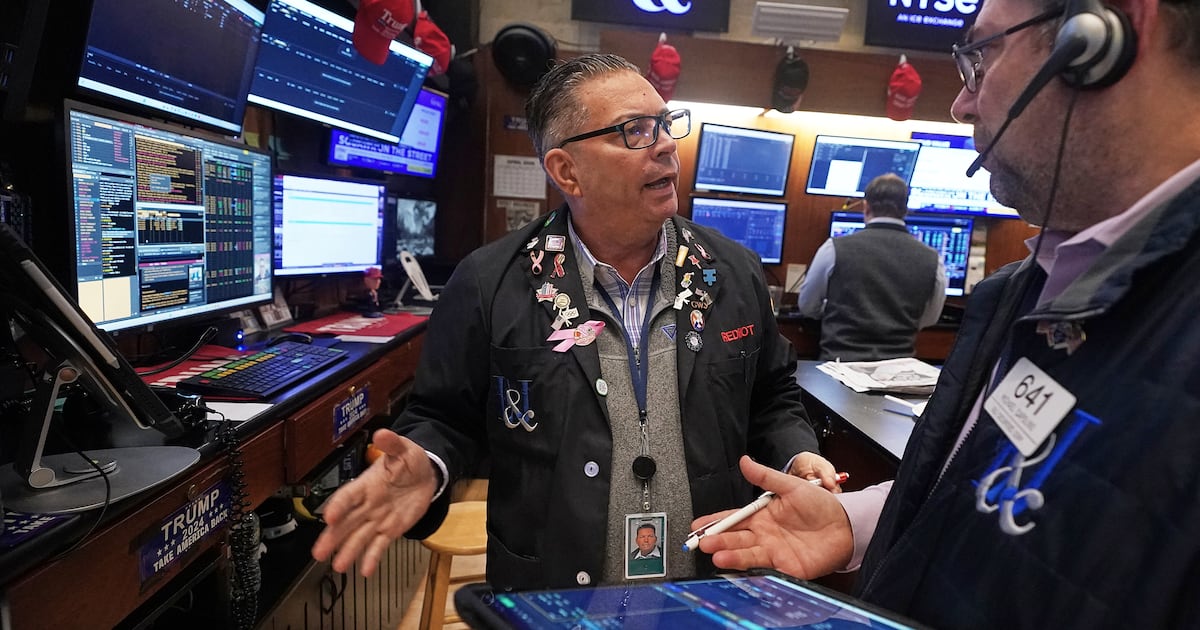
U.S. stocks pulled back from record highs as Middle East tensions lifted Brent crude 5.8% to $114.44 and pushed the 10-year Treasury yield up to 4.43% from 4.39%. The Dow fell 557.37 points, the S&P 500 lost 0.4%, and the Nasdaq slipped 0.2% as war-related uncertainty outweighed solid earnings from Tyson Foods and stronger quarterly results from some names. Travel, logistics and cruise stocks were pressured, with Norwegian Cruise Line down 8.6%, UPS off 10.5%, and FedEx down 9.1% after Amazon expanded logistics services.
The market is treating this as a headline risk event, but the bigger second-order issue is a regime shift in inflation expectations. A sustained move in crude toward triple digits pushes the front end of rates higher not because of growth optimism, but because the market starts pricing a smaller policy cushion and stickier input costs; that is toxic for duration-sensitive equities and levered balance sheets. The immediate equity weakness is therefore less about geopolitics per se and more about a tightening financial conditions impulse filtering through energy and yields.
Within cyclicals, the winners are the companies with commodity pass-through or direct exposure to food and inventory costs, while the losers are those with high fuel intensity, discretionary demand, or customer sensitivity to travel frictions. Tyson’s print hints that pricing power is still alive in staples-like food names, which means the real trade is not simply long oil, but long businesses with lagged input costs and near-term price realization. By contrast, parcel/logistics and cruise operators face a double hit: higher operating costs and a demand elasticity problem if consumers infer that gasoline and airfare inflation will persist.
The market may be underappreciating how quickly shippers and industrial buyers can reroute flows around the Strait shock if security improves even modestly. That creates a sharp reversal risk in crude, but not necessarily in the equity losers, because their earnings impact arrives with a lag while hedges roll off over weeks to months. So the near-term setup favors tactical shorts in the most fuel-sensitive names, but crude longs need to be managed as event-driven rather than structural until there is evidence of persistent disruption.
The most interesting contrarian angle is that the strongest relative opportunity may be in the under-owned beneficiaries of logistics dislocation rather than pure oil beta. Amazon’s logistics push is strategically negative for incumbents but positive for its own margin mix if it monetizes capacity into a higher-rate environment, while eBay looks like a financing/equity-swap headline that may get less scrutiny than the execution burden. The market is likely overpricing the durability of the spike in transport costs, but underpricing the margin compression for carriers if rates stay elevated for even one quarter.
AI-powered research, real-time alerts, and portfolio analytics for institutional investors.
Request DemoOverall Sentiment
moderately negative
Sentiment Score
-0.35
Ticker Sentiment
