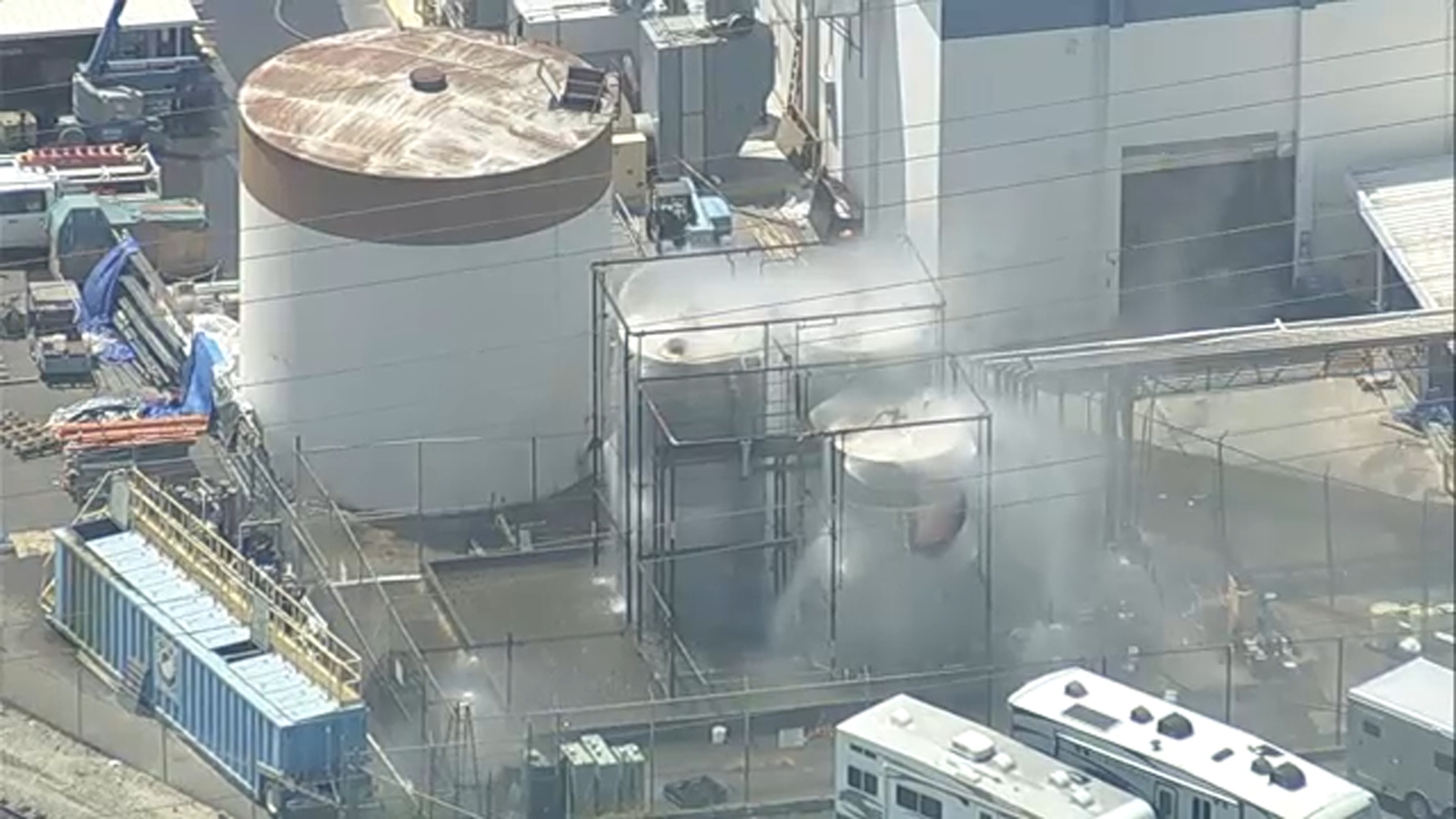
A chemical leak in Garden Grove, Orange County has triggered an evacuation zone affecting about 40,000 residents, with authorities urging immediate evacuation and reporting a roughly 15% refusal rate. Evacuation centers have been set up and local, state, and federal agencies, including FEMA and the EPA, are monitoring the incident and coordinating response efforts. The event is materially negative for the local area and could create near-term disruption for residents and emergency services.
This is less a one-off local incident than a live test of California’s hazmat response stack, and the market should think in terms of operational disruption rather than direct damage. The immediate second-order effect is to any business with dense last-mile distribution, service routes, or call-center labor exposure in north Orange County: even a modest refusal rate implies a longer clearance window, which can stretch into multiple days and create localized labor absenteeism, route misses, and temporary store closures.
The bigger signal is regulatory and insurance. Chemical-leak incidents that trigger multi-agency coordination tend to increase scrutiny on industrial tenancy, transportation, and site maintenance across the region, which can tighten permitting timelines and raise compliance costs for logistics, manufacturing, and waste-handling operators over the next few quarters. For insurers and reinsurers, these events rarely move earnings alone, but they add to the accumulation story in California catastrophe and liability books, especially if air-quality claims or business interruption claims surface.
The contrarian angle is that the market usually overprices the headline and underprices the duration. Most equity dislocations from localized hazardous-material events fade quickly unless there is a clear path to litigation, a multi-day shelter-in-place, or evidence of systemic infrastructure failure. The key catalyst to watch is whether the incident expands from a contained evacuation into a broader remediation/cleanup narrative; that would extend the impact from days to months and materially worsen the odds for nearby commercial landlords, industrial REITs, and regional operators.
If federal or state support is mobilized quickly, the immediate read-through becomes less about direct equity downside and more about municipal and infrastructure spending discretion. That favors contractors tied to emergency response, environmental remediation, and monitoring equipment, while keeping a lid on near-term risk appetite for anything with Southern California physical-asset exposure until visibility improves.
AI-powered research, real-time alerts, and portfolio analytics for institutional investors.
Request DemoOverall Sentiment
strongly negative
Sentiment Score
-0.70
