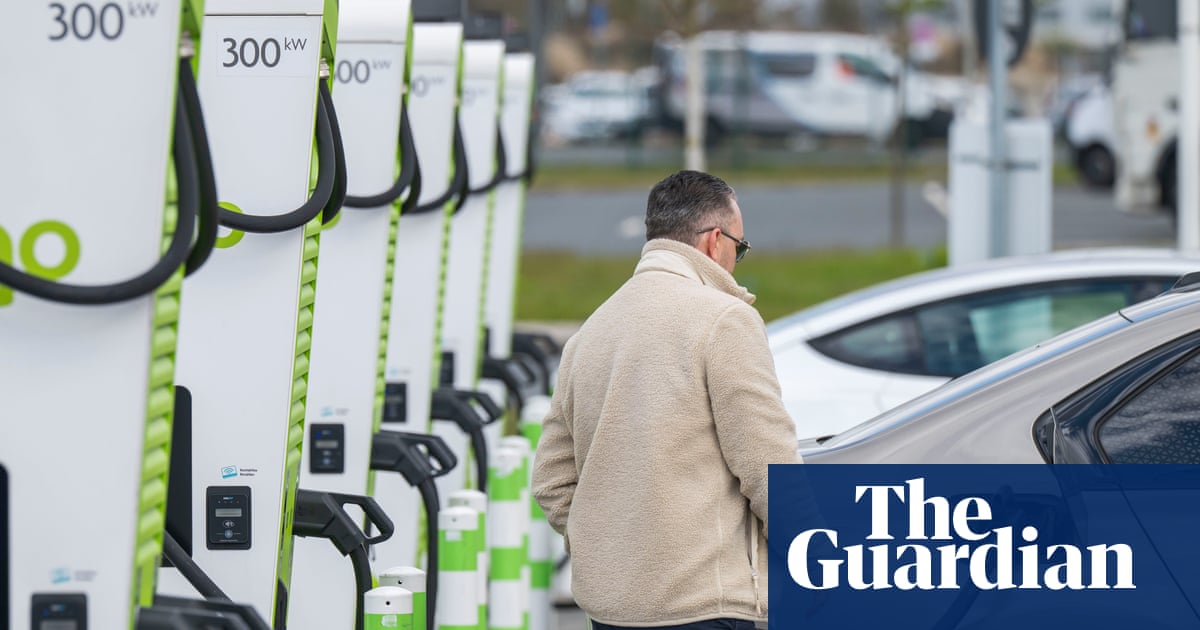
EV sales in continental Europe jumped 51% in March to 224,000 vehicles, lifting Q1 registrations to 500,000, up 33.5% year on year. Higher petrol and diesel prices linked to the Iran war are accelerating the switch away from combustion engines, with Germany, France, Spain, Italy and Poland up 40% in Q1. Norway led adoption at 98% EV share of new car sales, while France and Germany also posted strong gains on subsidies and cheaper running costs.
This is less a pure EV-demand story than a forced re-pricing of the total cost of ownership equation. When fuel spikes quickly, consumers do not need to become climate converts; they only need one budgeting cycle to see that monthly operating savings can overwhelm sticker-price anxiety, especially in mass-market segments where financing costs are already the binding constraint. That means the demand impulse should be strongest where governments or OEMs can bridge upfront price gaps with subsidies, lease programs, or aggressive dealer financing — not necessarily where EV enthusiasm is highest.
The second-order winner is European manufacturing localization. If the market begins rewarding domestic EV assembly over imported units, German and Nordic supply chains should see better utilization, while Chinese exporters face a more complex response function: they may still gain on product competitiveness, but tariff/regulatory friction and logistics-heavy models become less attractive if buyers are shifting toward faster-delivery, subsidy-eligible inventory. The losers are oil retailers, ICE-dependent OEMs with poor EV offerings, and parts suppliers tied to exhaust, transmission, and engine systems; the mix shift hurts far more than headline volumes suggest because EV penetration lifts sharply at the margin while ICE service demand falls slowly.
The key risk is duration. If fuel prices mean-revert in the next 1-2 months, the consumer urgency fades before OEM order books fully reset, and the market will treat this as a temporary elasticity spike rather than a structural step-up. But if the geopolitical premium persists into the summer driving season, the reaction can compound through fleet buying, corporate lease renewals, and policy cover for additional subsidies, making the move self-reinforcing over a 6-12 month horizon.
Consensus may be underestimating how asymmetric this is for the European auto complex: even modest EV share gains can change earnings mix materially because fixed-cost leverage is high and the marginal EV sale often carries better strategic value than current unit economics imply. The more interesting trade is not simply long EVs; it is long firms with credible domestic EV capacity and short the legacy names most exposed to fuel-sensitive ICE demand and weak electrification cadence.
AI-powered research, real-time alerts, and portfolio analytics for institutional investors.
Request DemoOverall Sentiment
moderately positive
Sentiment Score
0.60
