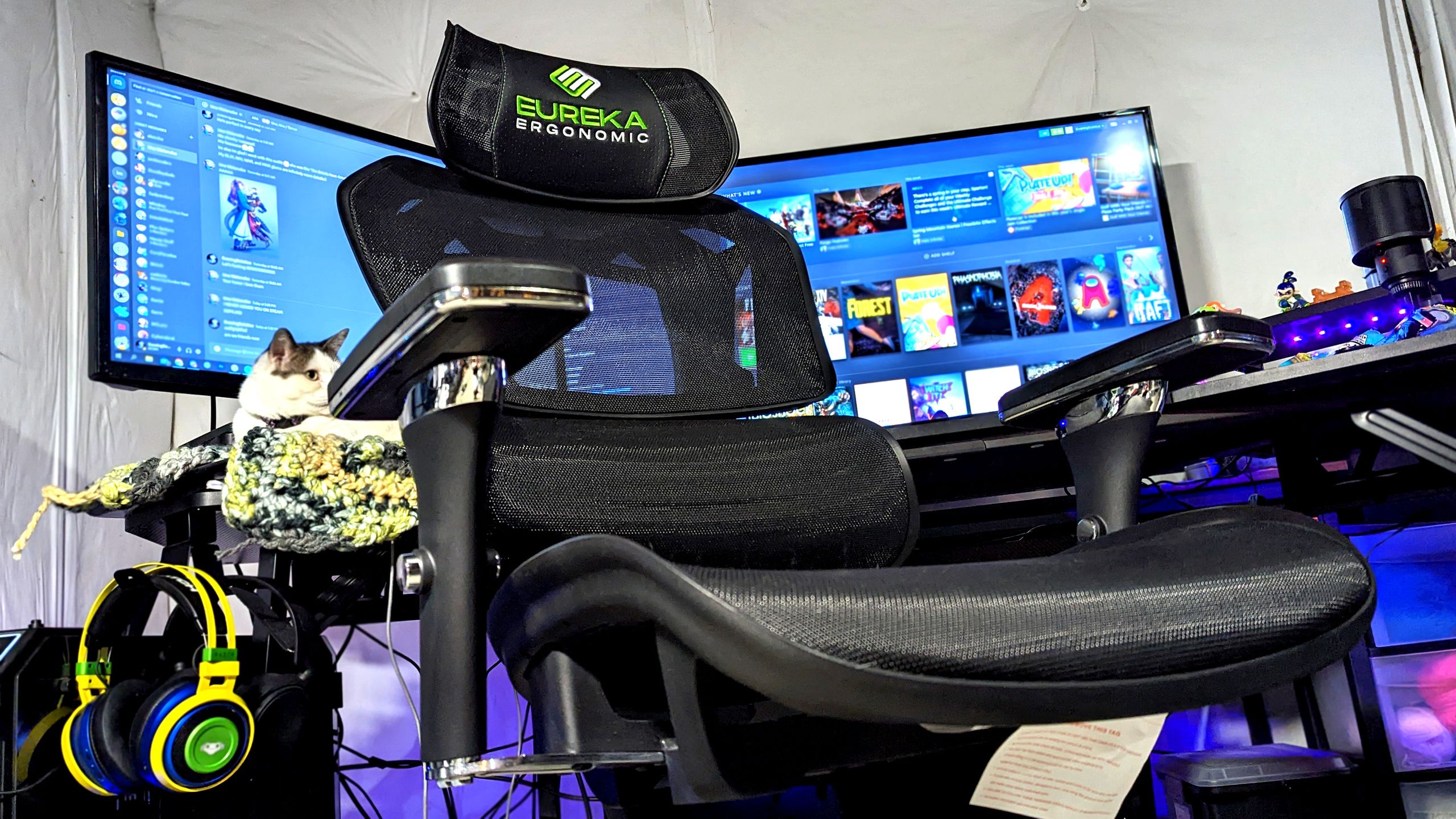
Amazon's surprise Gaming Week sale is highlighting discounts on hybrid gaming and office chairs, led by the Corsair TC100 Relaxed at $230, down from $270, and the Eureka Ergonomic Typhon at $340, down from $395. The article frames the deals as strong value for work-from-home and gaming use, with several other chairs also discounted across brands including Razer, FlexiSpot, and Autofull. The news is mainly retail promotion and product roundup content, so the likely market impact is limited.
This is less a demand catalyst for one seller than a high-frequency traffic and attachment-rate test for Amazon’s broader discretionary spend engine. Hybrid seating sits at the intersection of remote-work refresh cycles and gaming spend, so the sale can lift basket size without requiring a big-ticket durable upgrade thesis; the real second-order benefit is that these products often trigger add-on purchases in lighting, desks, monitors, and peripherals. That makes the promotion mildly positive for AMZN's retail mix even if unit economics on the chairs themselves are thin.
The competitive angle is more interesting than the category itself. Amazon is effectively using a low-margin, search-driven promo to pull share away from specialty DTC furniture brands and to pressure incumbents that rely on design differentiation and paid acquisition; if conversion spikes, it validates Amazon as the default discovery layer for office furniture, not just a fulfillment layer. The risk for competitors is not just lost chair sales, but a weaker customer acquisition funnel because shoppers who start with a discounted chair may anchor future purchases inside Amazon’s ecosystem.
For AMZN, the catalyst window is days to weeks: this is a tactical GMV/engagement event, not a structural earnings driver. The contrarian risk is that the offer is too niche to move the needle and may simply cannibalize full-price sales that would have happened later in the quarter. Still, the event is useful as a read-through on discretionary resilience: if premium-ish chairs move despite broader consumer caution, it suggests households are still willing to spend on work-from-home upgrades, which supports the upper end of Amazon’s retail demand assumptions into summer.
The key reversal variable is promo intensity. If the sale is shallow or inventory is limited, the lift may fade quickly; if Amazon extends the campaign or bundles accessories, the program could become a repeatable template for higher-margin attach behavior. Watch for follow-on promotions in desks and monitor arms over the next 2-6 weeks, since that would indicate Amazon is trying to convert this into a broader home-office merchandising push rather than a one-off gaming-week gimmick.
AI-powered research, real-time alerts, and portfolio analytics for institutional investors.
Request DemoOverall Sentiment
mildly positive
Sentiment Score
0.35
Ticker Sentiment
