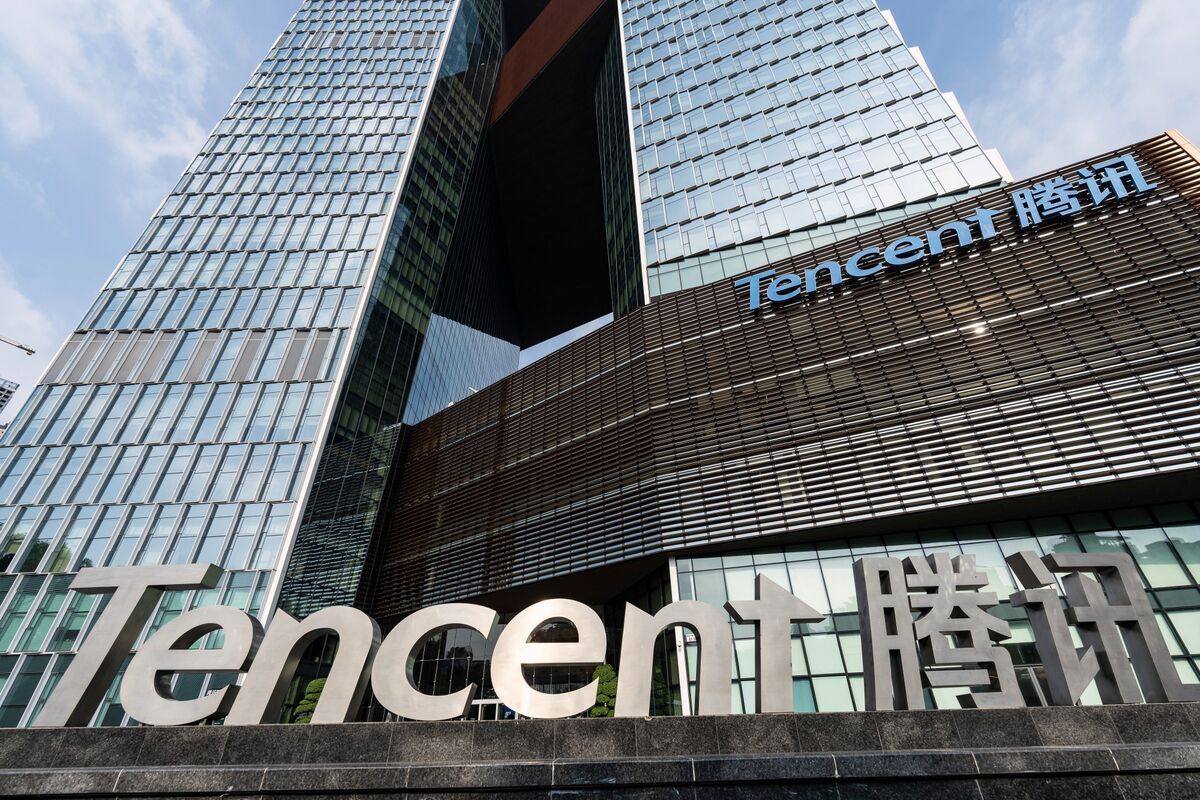
FT reports Tencent is in discussions to become the largest shareholder in Manus, the Chinese agentic AI startup whose acquisition by Meta was ordered by Beijing to be unwound. Talks involve investors—including Tencent, ZhenFund and HSG—backing a deal to unwind Meta’s purchase at the same valuation of $2B. The setup suggests regulatory uncertainty remains, but a valuation-stable unwind could reduce downside risk for Manus and its stakeholders.
This reads less like a standalone deal and more like a policy signal: in China, the scarce asset is not the model, it is regulatory permission. That favors Tencent because domestic platform balance sheets can now buy strategic adjacency in agentic AI without the political friction a foreign acquirer faces, which should improve its optionality versus other local internet names that still have to fund AI through internal cash flow. The second-order effect is a tighter domestic ownership circle around frontier AI assets, making future takeouts more likely to be local-led and less likely to clear at depressed valuations.
For Meta, the earnings impact is immaterial; the real hit is strategic and reputational. A forced unwind reinforces that China exposure cannot be monetized via control transactions, which slightly de-risks the market from extrapolating any near-term China AI monetization, but also removes a potential narrative wedge for investors looking for global AI optionality. For HSG/ZhenFund-style holders, the issue is capital efficiency: they may be pushed into a recycling exercise at the same mark, which limits immediate write-down risk but also caps upside from the asset until governance is clarified.
The consensus is probably underpricing how selective Beijing wants to be: this is not a broad pro-tech liberalization, it is an industrial-policy filter. Over 1-3 months, watch whether Tencent is confirmed as the largest holder and whether the structure preserves control rights; if yes, that supports a modest rerating of TCEHY relative to China internet peers. Over 6-18 months, the bigger implication is that domestic AI platforms with distribution and payment rails get stronger bargaining power versus standalone model shops, while foreign strategics face a higher regulatory hurdle for any China-linked AI asset.
AI-powered research, real-time alerts, and portfolio analytics for institutional investors.
Request DemoOverall Sentiment
mildly negative
Sentiment Score
-0.15
Ticker Sentiment
