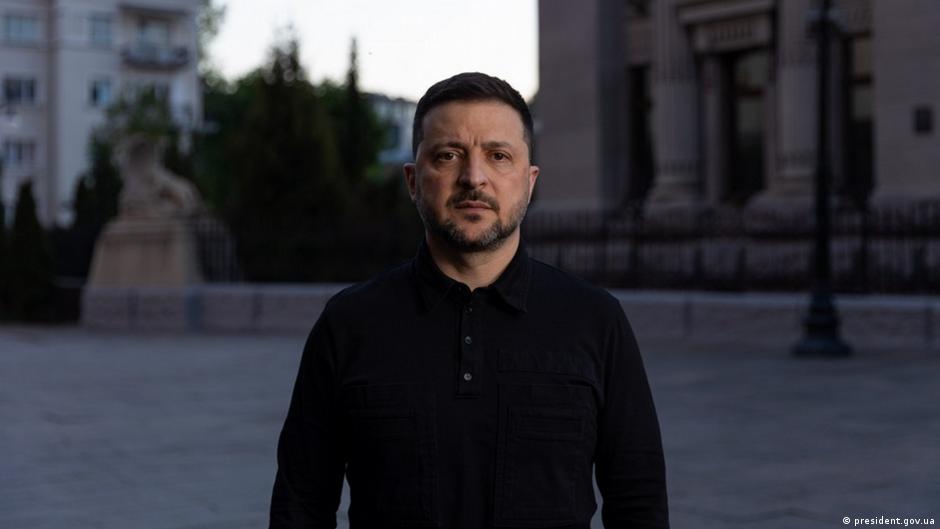
Poland stripped President Zelenskyy of the Order of the White Eagle, prompting Zelenskyy and other top Ukrainian officials to return Polish state honors in protest. The dispute risks worsening ties between two key allies as Ukraine seeks continued support against Russia, while Polish leaders say the move will not change aid for Ukraine. The article also reports a Russian airstrike on Kharkiv that killed 1 and injured 9, alongside claims that 187 Ukrainian drones were intercepted overnight.
This is less about bilateral etiquette than about coalition durability under war fatigue. Poland sits on the critical logistics spine into Ukraine, so even symbolic deterioration raises the probability of slower customs coordination, more friction around rail/transit permits, and less political cover for incremental aid over the next 1-3 months. The market implication is not immediate disruption to the war effort, but a higher discount rate on the reliability of the eastern European support corridor.
The second-order winner is Russia, which benefits from any narrative that fractures the anti-Kremlin coalition without firing a shot. The more subtle loser is EU defense industrial capacity: Poland has been one of the most permissive buyers and shippers of materiel, so a cooler bilateral relationship can lengthen procurement cycles and reduce urgency around joint replenishment contracts. That creates a modest negative for European primes with large NATO Eastern Flank exposure, while benefiting U.S. suppliers if Warsaw leans harder into American platforms to signal alignment.
Consensus likely underestimates how much domestic politics now drives foreign-policy volatility in Poland. This looks like a multi-month headline risk rather than a structural break, because security interdependence is still overwhelming and both sides have incentives to de-escalate before the next aid tranche or NATO meeting. The near-term tail risk is a repeat of symbolic escalations that spill into border logistics or refugee policy, which would widen spreads on any Poland-sensitive European assets even if the military picture is unchanged.
AI-powered research, real-time alerts, and portfolio analytics for institutional investors.
Request DemoOverall Sentiment
moderately negative
Sentiment Score
-0.35
