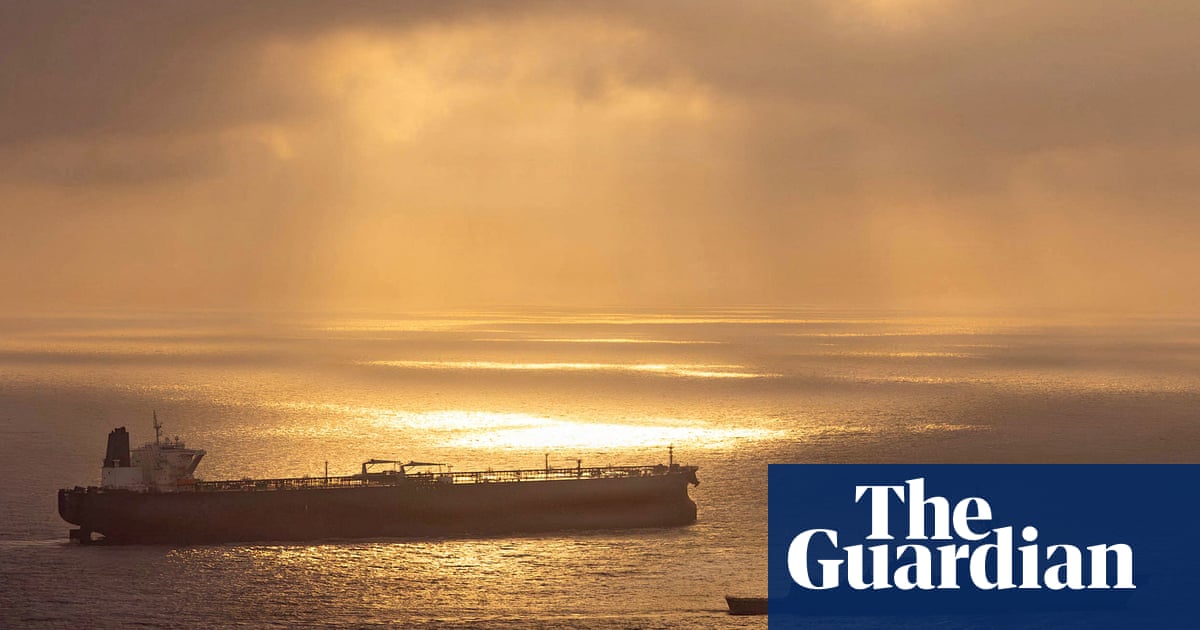
US-Iran tensions remain highly elevated as Washington expects a response on Friday to an interim ceasefire proposal, while fresh overnight clashes included missile, drone and small-boat attacks near the Strait of Hormuz. The US said it disabled two Iranian-flagged tankers and continued its blockade, while Iran said US strikes wounded 10 sailors and left five missing; the UAE also reported injuries from a new Iranian barrage. Brent crude reversed higher again after earlier hopes for a deal had pushed global stocks near record highs, underscoring major risk to energy flows through a waterway that carries about one-fifth of global oil and fossil gas supplies.
The market is treating this as a binary de-escalation trade, but the more important setup is a rolling repricing of Gulf risk premia. Even without a full closure of the strait, persistent harassment of tankers and coastal infrastructure forces shippers, insurers, and refiners to price a new “gray zone” regime: higher freight, higher war-risk premiums, and more defensive inventory behavior. That creates a second-order tax on global trade that can linger for quarters even if headline diplomacy improves.
Energy is being driven less by spot supply loss than by optionality loss. The key variable is not whether barrels are removed today, but whether buyers believe they can rely on uninterrupted passage next month; if confidence breaks, importers pull forward cargoes, tankers loiter offshore, and inventories stop being lean. That is bullish for prompt crude and refined product cracks, but it also raises the probability of episodic price spikes followed by sharp mean reversion as officials talk down the situation.
The contrarian miss is that a partial deal may be more negative for crude volatility than for crude levels. If talks reduce the probability of a strait shutdown but leave sanctions and missile infrastructure unresolved, the market gets a “lower tail, same baseline” outcome: oil can drift lower, yet defense budgets, maritime security spending, and Gulf logistics redundancies stay elevated. That favors defense and select maritime beneficiaries more than a simple directional oil-long expression.
The biggest risk is timing. A real agreement could come within days and compress the geopolitical premium quickly, but if talks stall into the next several weeks, the risk of an accident at sea rises materially because both sides are now operating with live-fire signaling around a choke point. In that scenario, the market will likely overreact to the first confirmed tanker hit or infrastructure outage, not the diplomatic headline preceding it.
AI-powered research, real-time alerts, and portfolio analytics for institutional investors.
Request DemoOverall Sentiment
strongly negative
Sentiment Score
-0.65
