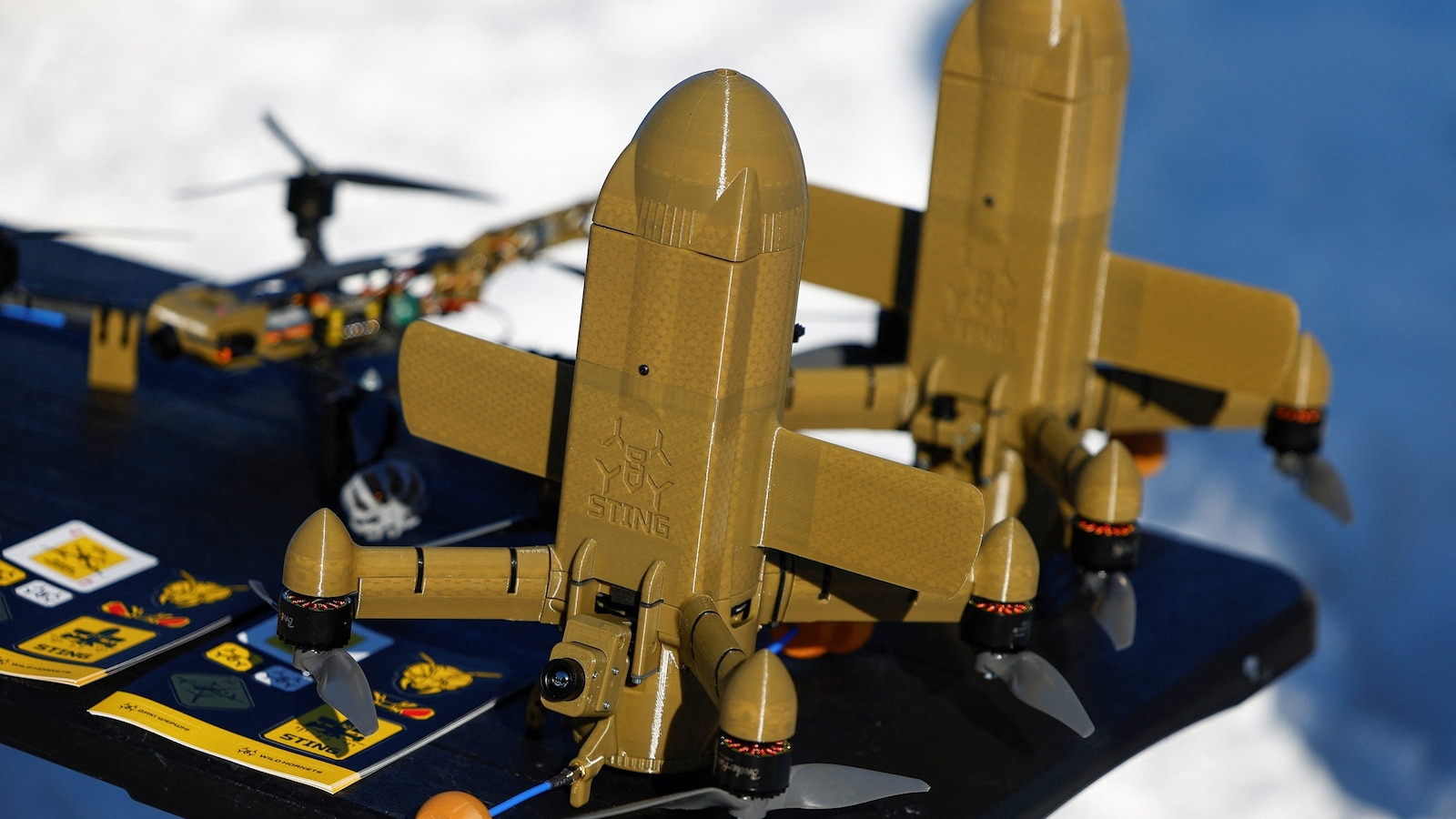
The United States and Gulf Arab states are in discussions with Ukraine to purchase Ukrainian-made interceptor drones that use cameras and AI plus FPV pilots to shoot down Iranian Shahed attack drones; Ukrainian officials confirm talks on quantities and infrastructure integration. Ukrainian interceptors cost a few thousand dollars each versus Patriot interceptors that cost millions and an Iranian Shahed estimated at ~$30,000, suggesting a potentially cost-effective alternative for regional air defense but requiring radar integration and specialist deployment. The development could create export revenue and production demand for Ukrainian defense firms while adding a new dynamic to regional procurement and broader geopolitical risk amid ongoing Middle East hostilities.
Market structure: Cheap Ukrainian interceptor drones (unit cost low thousands vs Patriot ~$1–5m per interceptor and Shahed ~$30k) create a new lower-cost tier in C‑UAS that benefits small drone OEMs, AI/vision suppliers and integrators while pressuring margin and near-term unit demand for high-cost missile interceptors. Expect Gulf states to prioritize rapid, scalable buys: 3–12 month procurement cycles favor nimble manufacturers and systems integrators who can do radar/comms integration quickly.
Risk assessment: Tail risks include rapid regional escalation that spurs renewed demand for long‑range interceptors (positive for RTX/LMT) or, conversely, U.S. export controls on Ukrainian tech that freeze sales (negative for drone OEM plays). Near-term (days–weeks) market moves will be driven by headlines and oil jumps; medium (1–6 months) by formal procurement approvals and integration timelines; long-term (1–3 years) by doctrinal shifts to layered, mixed interceptor fleets.
Trade implications: Tactical opportunities favor small-cap drone/counter‑UAS exposure and AI supplier exposure versus legacy missile munition exposure. Volatility in the next 30–90 days supports calendar/vertical option structures to express views while limiting downside; allocate small tactical sizes (0.5–2% portfolio) until procurement confirmations arrive.
Contrarian angles: Consensus may underestimate that layered defense keeps demand for high-end interceptors (missiles + drones) intact — large primes could win retrofit contracts to produce cheap interceptors, turning an apparent headwind into a retrofit opportunity. Historical parallel: proliferation of low‑cost SAMs didn’t kill high‑end air defenses; mispricing could create relative-value trades between drone specialists and missile incumbents.
AI-powered research, real-time alerts, and portfolio analytics for institutional investors.
Request TrialOverall Sentiment
moderately negative
Sentiment Score
-0.25
