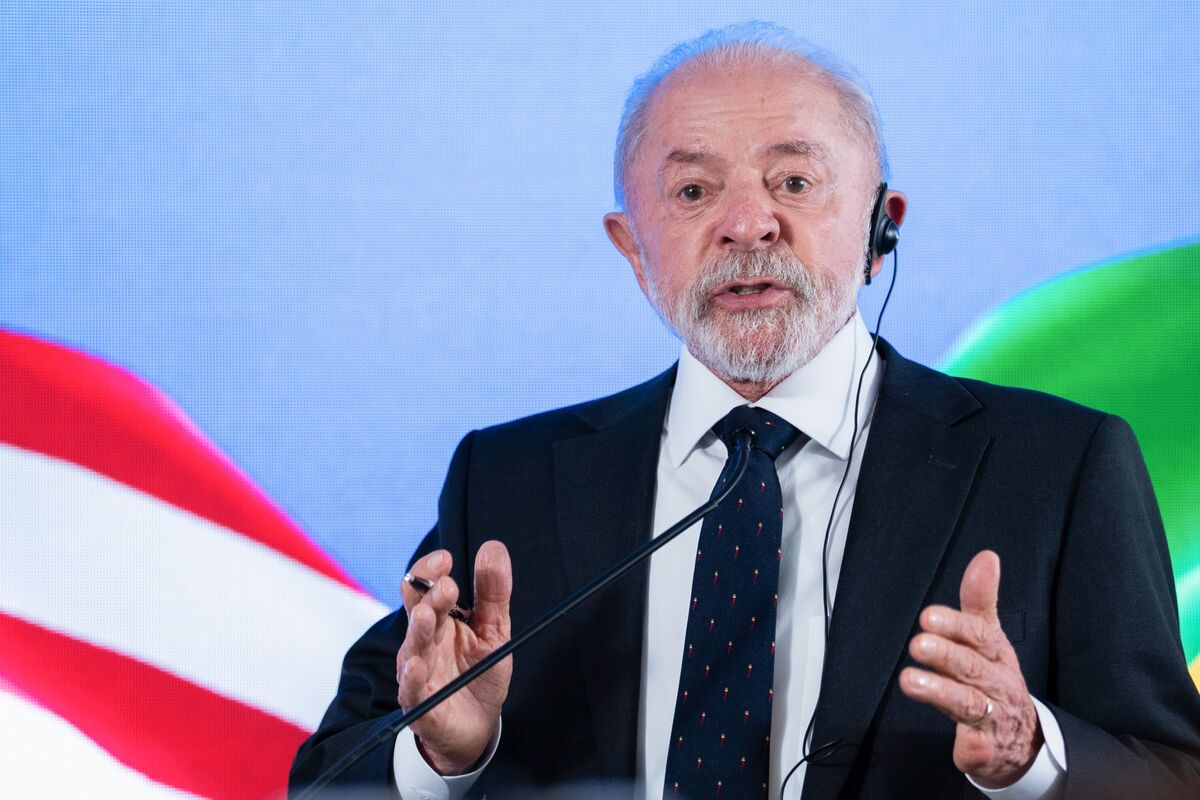
Brazilian President Luiz Inácio Lula da Silva rejected the US decision to designate two major Brazilian criminal groups as terrorist organizations, calling it a sovereignty issue that will not aid anti-drug efforts. He said Brazil refuses to be treated like a "banana republic," signaling diplomatic friction between the two countries. The article is primarily political and geopolitical, with limited direct market impact.
This is less about the immediate label and more about the policy regime shift it implies: Washington is signaling willingness to use counterterror architecture as an anti-crime tool in Latin America. That raises the probability of broader financial de-risking on Brazil-linked flows, because banks, payments processors, freight insurers, and logistics providers hate any ambiguity around secondary compliance exposure. The first-order equity impact is limited, but the second-order cost is higher friction in anything that touches cross-border settlement, port operations, or know-your-customer enforcement.
The political read-through is that Lula is likely to double down publicly, which increases the odds of a sovereignty narrative becoming a domestic campaign issue. That is usually bearish for reform momentum and for any sector reliant on a cleaner regulatory state, but it can be mildly supportive for firms with domestic pricing power and limited US sensitivity. The bigger risk is not sanctions per se; it is that the designation creates a template for more aggressive US pressure on Brazilian organized crime financing, which could force Brazilian authorities into visible enforcement actions over the next 1-3 months.
From a market standpoint, the most interesting channel is not Brazil risk beta, but where capital rotates if investors extrapolate a wider Latin America compliance tightening. That could modestly pressure Brazil-facing banks and transport names while benefiting US-listed security, screening, and compliance vendors if the theme broadens. The move looks underpriced on a 6-12 month horizon because legal ambiguity tends to raise funding costs before it shows up in reported earnings.
Contrarian view: the headline may be overread as geopolitical theater rather than policy with teeth. If Brazilian institutions resist cooperation and US agencies cannot translate the designation into enforceable action, the market impact fades quickly. The best trade is therefore to fade any knee-jerk Brazil underperformance after the first 1-2 sessions unless there is follow-through from Brasília or Washington in the form of concrete enforcement measures.
AI-powered research, real-time alerts, and portfolio analytics for institutional investors.
Request DemoOverall Sentiment
mildly negative
Sentiment Score
-0.15
