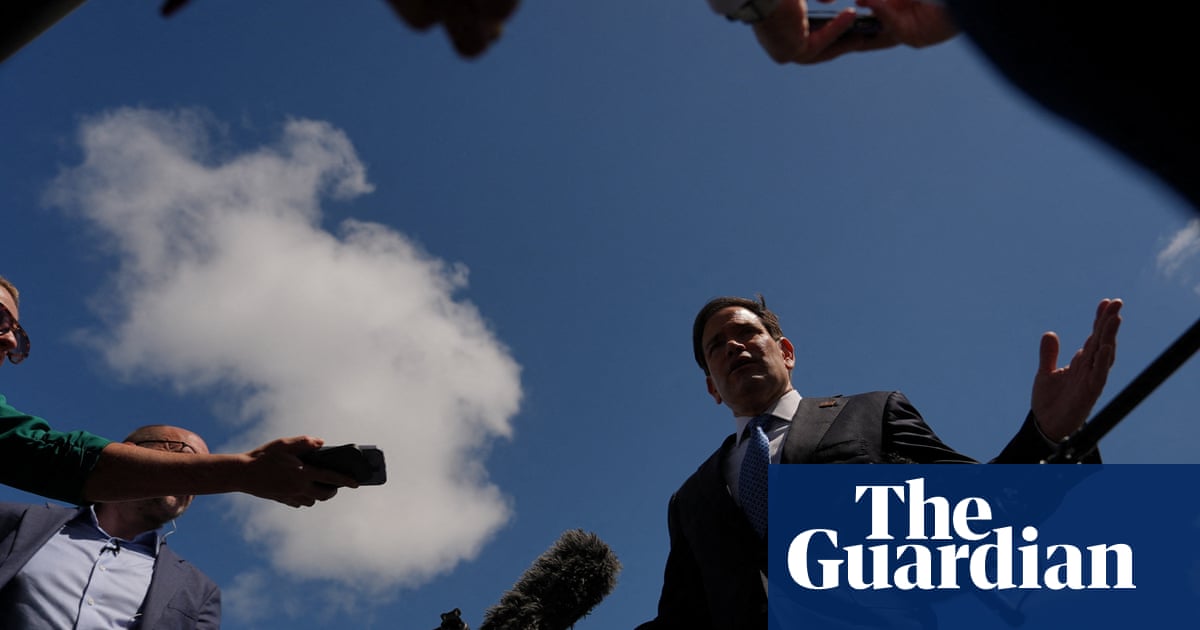
The Trump administration is escalating pressure on Cuba, with the Nimitz strike group deployed to the southern Caribbean and officials framing Havana as an imminent national security threat. The article says sanctions, embargo-induced fuel shortages, and possible military pressure could destabilize the 67-year-old communist government, while Democrats warn of another potential intervention. The situation raises geopolitical risk across the Caribbean and wider Latin America, with meaningful implications for sanctions policy and regional security.
This is less a Cuba story than a test case for whether Washington is re-normalizing regime-change tools as an investable policy regime. The market implication is not a direct Cuba beta trade — there is essentially no listed asset to trade — but a wider repricing of geopolitical risk premia across the Caribbean basin, with the most immediate read-through in defense, surveillance, border-security, and sanctions-enforcement ecosystems. If the administration treats coercive diplomacy as a repeatable template, second-order beneficiaries are contractors and dual-use tech vendors that monetize persistent monitoring rather than kinetic conflict.
The more important medium-term effect is on regional capital allocation: a harder US line raises the probability of precautionary hoarding, delayed FDI, and tighter financing conditions for Latin American sovereigns already sensitive to migration and energy shocks. That creates a subtle tailwind for dollar assets and a headwind for EM credit, especially frontier names with thin reserves and high dependence on US trade policy discretion. It also raises the odds of supply disruption narratives being used more aggressively as justification for sanctions expansion, which can spill into shipping, insurance, and commodity logistics even absent a shooting war.
The market is likely underpricing the tail risk of policy overreach because the immediate headlines frame this as Cuba-specific, but the real risk is escalation drift: once a military buildup and intelligence justification are in place, the hurdle to broader coercive action drops materially over weeks, not years. The contrarian angle is that if pressure forces even a partial Cuban concession, the administration may claim victory quickly and de-escalate — which would cap the upside for hawkish equities while leaving broader EM risk assets less damaged than feared. The biggest non-obvious risk is a humanitarian or migration shock that forces the US into a contradictory posture: maximum pressure on one hand, emergency stabilization on the other.
AI-powered research, real-time alerts, and portfolio analytics for institutional investors.
Request DemoOverall Sentiment
strongly negative
Sentiment Score
-0.55
