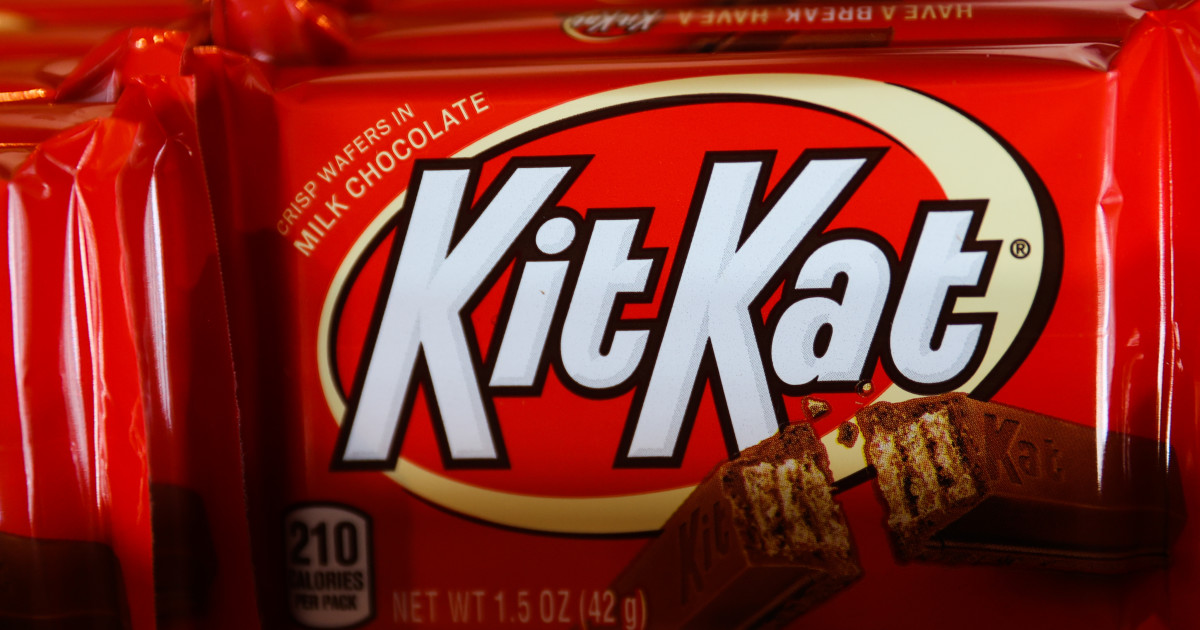
Nestlé, under new CEO Philipp Navratil, announced plans to cut 16,000 jobs, or 6% of its global workforce, and raised its cost-saving target to $3.79 billion by 2027, prompting a 1.2% stock increase. This restructuring, which includes both white-collar and manufacturing roles, follows mixed third-quarter results showing 4.3% organic sales growth but a 0.4% decline in the Americas. The move aligns with a broader trend of efficiency-driven layoffs among major consumer goods companies like Procter & Gamble and Estee Lauder, signaling a strategic focus on optimizing performance and delivering shareholder value.
Nestlé's new CEO, Philipp Navratil, has initiated a significant restructuring plan, announcing 16,000 job cuts, representing 6% of its global workforce, and elevating the cost-saving target to $3.79 billion by 2027. This strategic move, which includes 12,000 white-collar and 4,000 manufacturing roles, was met positively by the market, with Nestlé's stock increasing 1.2% on October 17. The workforce reduction is set to unfold over the next two years, signaling a commitment to long-term efficiency. The restructuring comes despite a strong third quarter, where organic sales grew 4.3%, an acceleration from 2.9% in the first half of the year. However, sales in the Americas, Nestlé's largest market contributing 35% of total sales, declined by 0.4% even with a 2.9% pricing increase, indicating potential demand elasticity issues. CEO Navratil emphasized rigorous resource allocation to prioritize high-potential opportunities and enhance shareholder value, suggesting the cuts are proactive rather than purely reactive. Nestlé's actions align with a broader trend among consumer goods giants, as evidenced by similar significant layoffs at Procter & Gamble (7,000 jobs) and Estee Lauder (up to 7,000 jobs), driven by efficiency goals and reduced demand. This industry-wide contraction reflects challenging macroeconomic conditions, including increased input costs, weaker demand, and elevated economic uncertainty cited in the Federal Reserve's Beige Book. High inflation and tariffs are also noted as factors impacting consumer spending, contributing to the need for cost optimization across the sector.
AI-powered research, real-time alerts, and portfolio analytics for institutional investors.
Overall Sentiment
moderately positive
Sentiment Score
0.35
Ticker Sentiment
