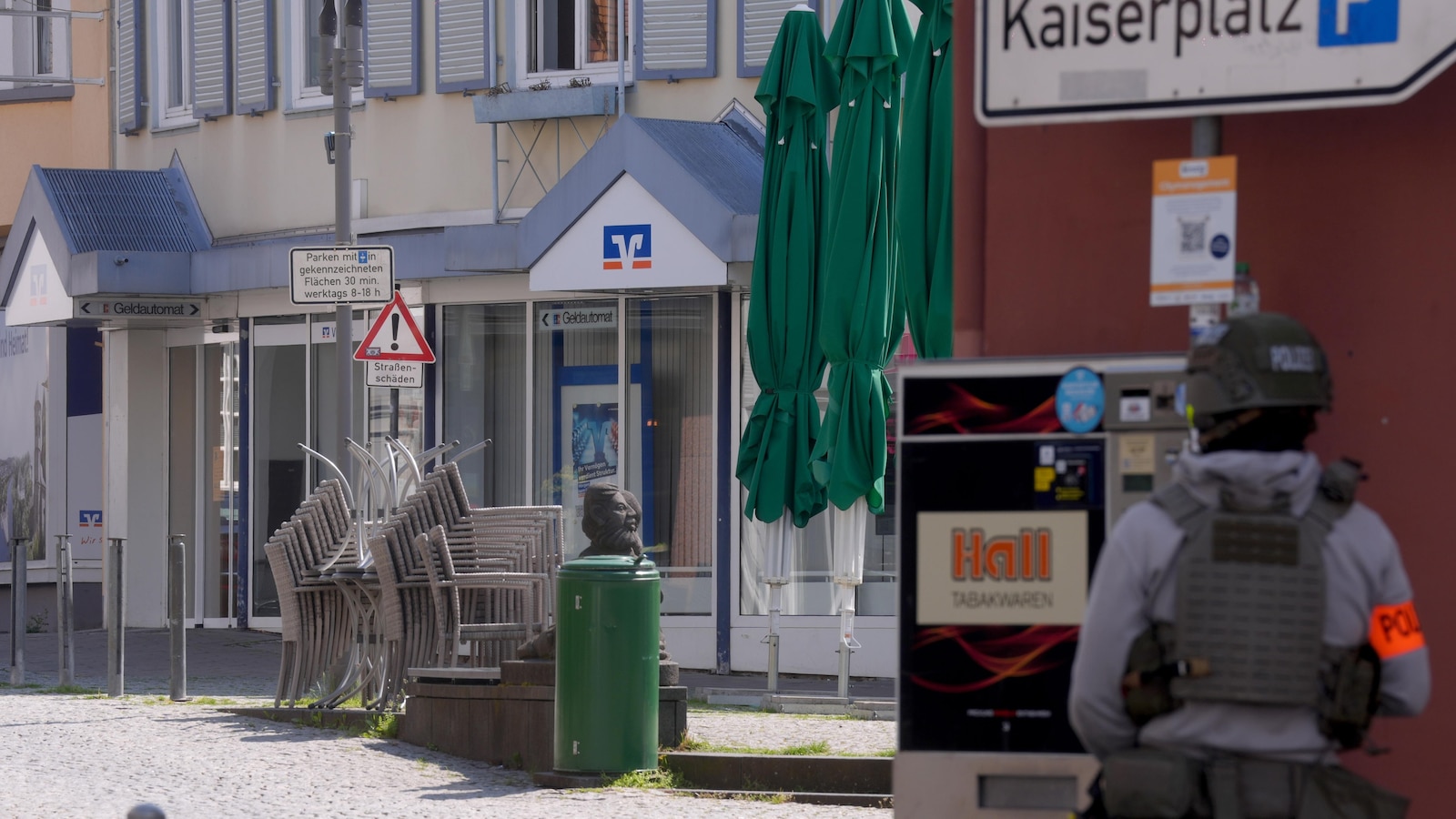
Police responded to a hostage situation at a Volksbank branch in Sinzig, western Germany, where the driver of an armored cash van was being held along with several other hostages. Authorities described the scene as "static" and said there was no risk to people outside the cordon. The incident is a localized public-safety event with limited direct market impact.
This is not a macro banking event; it is a localized operational shock with a much larger information effect than economic effect. The immediate market read-through is a small negative for German regional bank sentiment and for armored-cash logistics firms, but the bigger second-order impact is to reinforce the perceived fragility of cash-handling infrastructure at the branch level, nudging smaller institutions toward more spend on security, staffing, and physical hardening. That is margin-accretive for security vendors over time, but only if management teams translate a headline event into capex budgets rather than a one-off expense.
The risk window is measured in days, not months, unless the situation escalates into injuries or a prolonged standoff that creates a reputational spillover for the local bank network. A clean resolution will likely fade the event quickly; a violent outcome could briefly tighten local deposit behavior and increase transaction migration toward digital channels, but not enough to move systemic banking fundamentals. The more durable catalyst would be if insurers reprice premiums for branch cash logistics or if banks respond by reducing cash service availability, which would accelerate the long-run decline in branch utility.
Contrarian take: the consensus will probably overfocus on the hostage headline and underfocus on the operational beneficiary set. In a world where banks are trying to cut costs, a single incident can justify multiple years of incremental spend on surveillance, panic systems, and armored transport hardening across the region. That makes the trade less about fear in banks and more about the slow monetization of security budget increases by the vendors that are already embedded in procurement cycles.
AI-powered research, real-time alerts, and portfolio analytics for institutional investors.
Request DemoOverall Sentiment
mildly negative
Sentiment Score
-0.35
