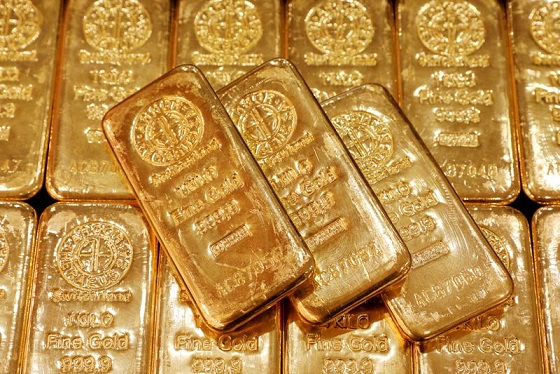
Spot gold fell 0.3% to $4,532.11/oz and gold futures slipped 0.6% to $4,532.05/oz as Brent crude rose again, keeping energy-driven inflation fears elevated. The article highlights stalled U.S.-Iran talks over enriched uranium and the Strait of Hormuz, with the chokepoint largely closed to tanker traffic and roughly 20% of global oil shipments at risk. The geopolitical standoff is supporting oil prices, strengthening the dollar to a near six-week high, and increasing pressure on central banks to consider higher rates.
The market is starting to price the conflict less as a one-off geopolitical shock and more as a persistent tax on global growth. That is a classic stagflation input: higher headline inflation with softer real activity, which is why rate expectations can move higher even as growth cracks widen. In that setup, the biggest loser is duration-sensitive equity leadership — lower multiples on long-duration assets, tighter financial conditions, and a stronger dollar all reinforce one another.
The second-order winner is the U.S. relative to import-dependent economies, but not uniformly. Energy exporters and domestically focused cash generators should outperform, while Europe, Japan, India, and EM commodity importers face a margin squeeze through both energy and FX channels. The more important transmission is not just fuel costs; it is working-capital stress and policy reaction risk for airlines, chemicals, transport, and consumer discretionary names over the next 1-3 months.
The consensus may be underestimating the probability that the bottleneck in shipping/passage terms becomes more price-setting than the war itself. If routing friction persists, the market will have to reprice inventories, freight, and insurance premia, which can keep crude elevated even if headlines improve. That makes the asymmetry worse for importers: downside is gradual if diplomacy progresses, but upside is immediate if negotiations fail or maritime restrictions tighten.
Contrarian take: the current move in gold may already be discounting too much hawkishness too quickly if growth data deteriorates faster than inflation re-accelerates. If the macro print mix turns toward weaker demand, real yields could roll over and re-anchor gold despite sticky energy. The key watch item is whether central banks talk tough but cannot actually hike into a geopolitical supply shock without triggering a broader risk-off event.
AI-powered research, real-time alerts, and portfolio analytics for institutional investors.
Request DemoOverall Sentiment
moderately negative
Sentiment Score
-0.35
