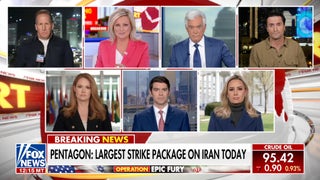
Roughly 20% of global oil transits the Strait of Hormuz, and rising Iranian threats plus coordinated U.S.–Israel strikes have prompted French calls for a moratorium on attacks against civilian infrastructure and refusal to join operations to 'open' the waterway. Violence has surged—ACLED reports a 400% increase in Lebanon incidents, ~1 million displaced and Israeli claims of >2,000 attacks since March 2—raising near-term risk of shipping disruptions and energy-market volatility that should prompt a defensive portfolio stance and monitoring of oil and shipping-cost moves.
The immediate market lever is maritime logistics friction: higher war-risk premiums, longer voyage routing and disrupted slot reliability will transmit into freight rate spikes and insurer re-pricing well before physical oil fundamentals move materially. A 10-20% persistent uplift in tanker time-charter equivalences (TCEs) over 3–6 months would be sufficient to re-rate mid-cap tanker owners and push short-term Brent/ Dubai spreads wider as buyers pay up for delivered supply.
Insurance and P&I re-underwriting creates a discrete profit opportunity for underwriters who can re-price annual renewals, while reinsurers face concentrated tail exposure that is episodic (claims clustered around specific attacks) rather than linear — that favors brokers and specialty insurers over broad, cyclically levered reinsurers. Equally important: refinery feedstock sourcing shifts (more Atlantic Basin crude into Europe/US refiners) compress some product cracks in Asia and widen them in Europe, creating asymmetric margin moves across refining portfolios over the next 1–4 quarters.
Catalysts to monitor that will change positioning are binary and time-staggered: (1) a coordinated multinational escort operation that meaningfully reduces insurance premiums (days–weeks), (2) a major tanker strike or blockade that forces rerouting for months, and (3) a diplomatic deal with credible enforcement that normalizes flows over quarters. The current market sets up fast, tactical plays in shipping/insurance and medium-term directional exposure to defense suppliers, but those positions must be actively hedged for the high-probability episodic news shocks that will continue to drive volatility.
AI-powered research, real-time alerts, and portfolio analytics for institutional investors.
Request DemoOverall Sentiment
strongly negative
Sentiment Score
-0.60
