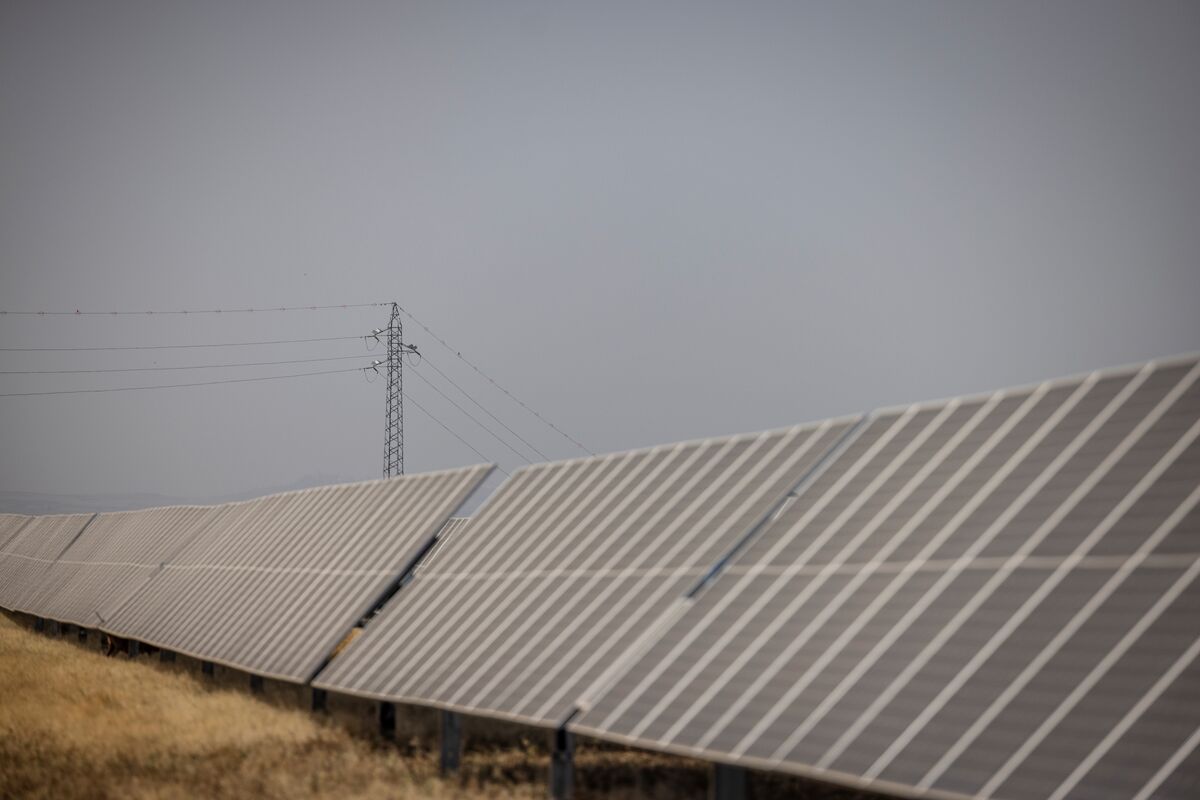
Spain will phase out its 7% electricity generation tax by 2028, a move aimed at lowering power bills for households and businesses. The policy also supports the shift away from fossil fuels toward clean energy. The change is supportive for the power sector and broader decarbonization efforts, though the market impact is likely moderate rather than immediate.
This is structurally bullish for domestic power demand and renewable project economics, but the effects are asymmetric by balance sheet. The immediate beneficiaries are retail-heavy utilities and grid-facing infrastructure names with pass-through exposure, while merchant generators without regulatory protection may see only delayed relief because the tax removal is staged and can be offset by other policy tweaks. The bigger second-order effect is on capital allocation: lower end-user prices improve the payback math for electrification, which should incrementally raise load growth assumptions for EV charging, heat pumps, and industrial decarbonization capex.
The market may underappreciate that a phased tax rollback is less about near-term EPS and more about de-risking long-duration cash flows. For renewables, this supports PPA affordability and reduces political backlash against utility bills, which can widen the window for permitting and contract awards over the next 12-24 months. The flip side is that lower prices can blunt the urgency of efficiency savings and modestly reduce the pace of distributed solar/storage adoption in price-sensitive segments, especially if households see a smaller bill shock than expected.
The key risk is fiscal reversal if power prices re-accelerate or budget math tightens, since tax policy can be reintroduced faster than physical grid investment can be unwound. Another near-term risk is that the benefit gets competed away by regulated tariff resets, leaving generators and retailers with little retained margin improvement. Consensus likely overstates the immediacy and understates the second-order demand tailwind; this is a slow-burn support for electrification, not a one-quarter earnings catalyst.
AI-powered research, real-time alerts, and portfolio analytics for institutional investors.
Overall Sentiment
mildly positive
Sentiment Score
0.25
