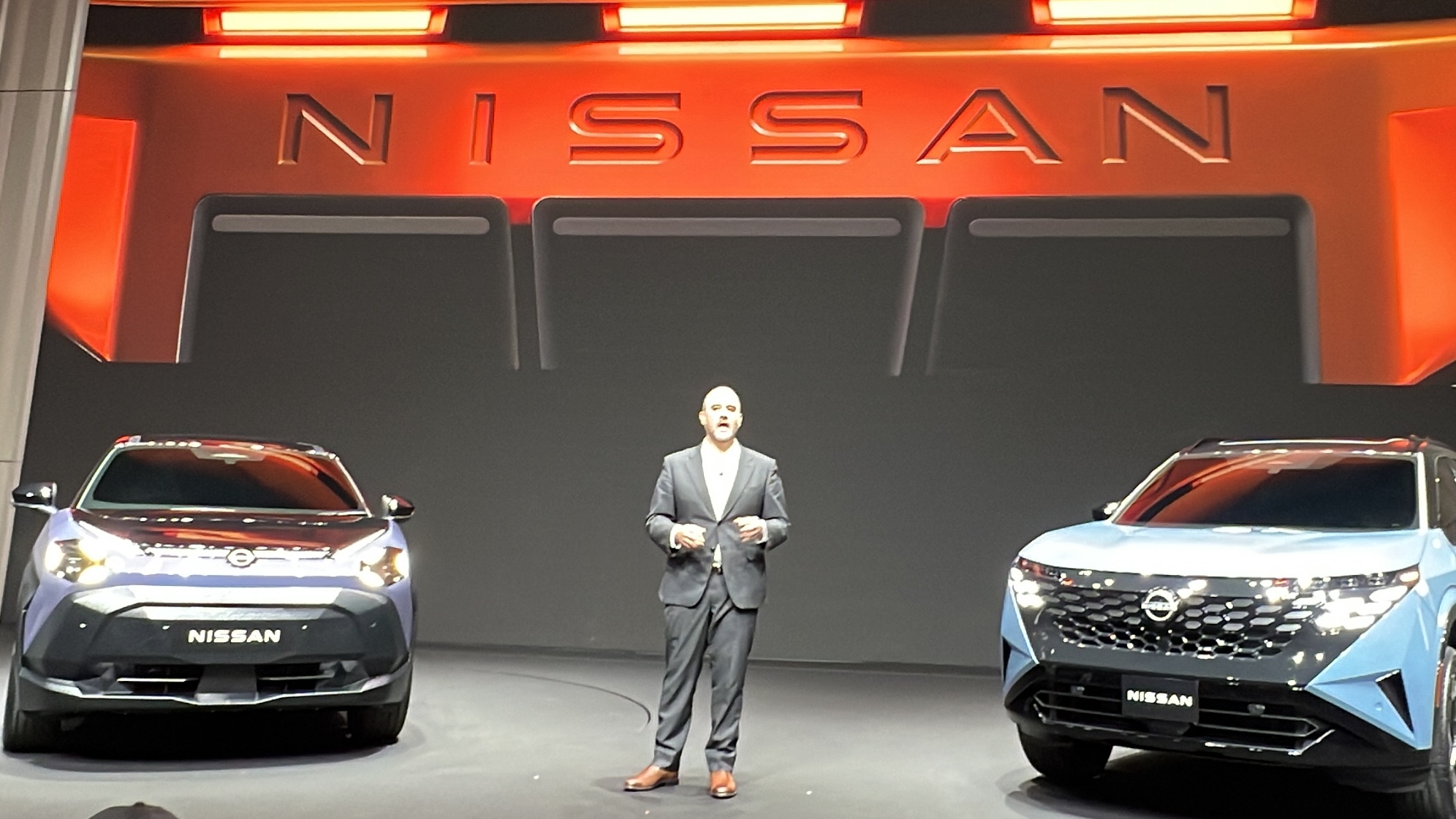
Nissan CEO Ivan Espinosa said the company’s turnaround has shifted the automaker into growth mode after sales contracted in 7 of the last 8 years. The article signals improving fundamentals and a more constructive outlook under new management, but provides no specific financial figures or guidance changes. The impact is likely limited to Nissan-specific sentiment rather than the broader auto sector.
The important read-through is not the headline optimism; it is that management is now asking the market to underwrite operating leverage before the evidence is fully visible in the hard data. In autos, “growth mode” statements usually matter most for suppliers and dealer networks first, because inventory planning, parts orders, and mix assumptions change well ahead of reported unit growth. If the message is credible, the second-order winners are upstream components and retail service ecosystems that benefit from higher vehicle parc retention and better warranty/customer lifecycle monetization.
The market should be careful about extrapolating a cyclical inflection into a secular turn. A multi-year contraction creates easy comps, but the more durable question is whether Nissan can convert stabilization into pricing power and mix improvement without leaning on incentives. If the recovery is mostly volume-led, margin beta will be weaker than the headline narrative implies; if it is mix-led, then the real upside is in fixed-cost absorption and aftermarket attach rates, not just wholesale sales.
Contrarianly, the biggest risk is that “growth mode” becomes a management-guidance trap: one or two quarters of better optics can be followed by renewed discounting if demand elasticity remains high. That would hurt not only OEM gross margins but also supplier order quality, because the channel tends to front-load optimism and then destock quickly when retail traffic softens. The timeline to watch is 1-2 quarters for channel fill and 2-4 quarters for actual margin evidence; if that fails to materialize, the narrative will reset fast.
From a competitive standpoint, any Nissan improvement is more a threat to fringe Asian and legacy turnaround stories than to top-tier OEMs. The share gains, if real, are likely to come from subprime/light-truck and fleet channels where price is decisive, which means the upside is likely capped unless product cadence also improves. That makes this a classic “prove-it” setup: positive for near-term sentiment, but not yet a thesis that deserves full multiple re-rating.
AI-powered research, real-time alerts, and portfolio analytics for institutional investors.
Request DemoOverall Sentiment
mildly positive
Sentiment Score
0.45
