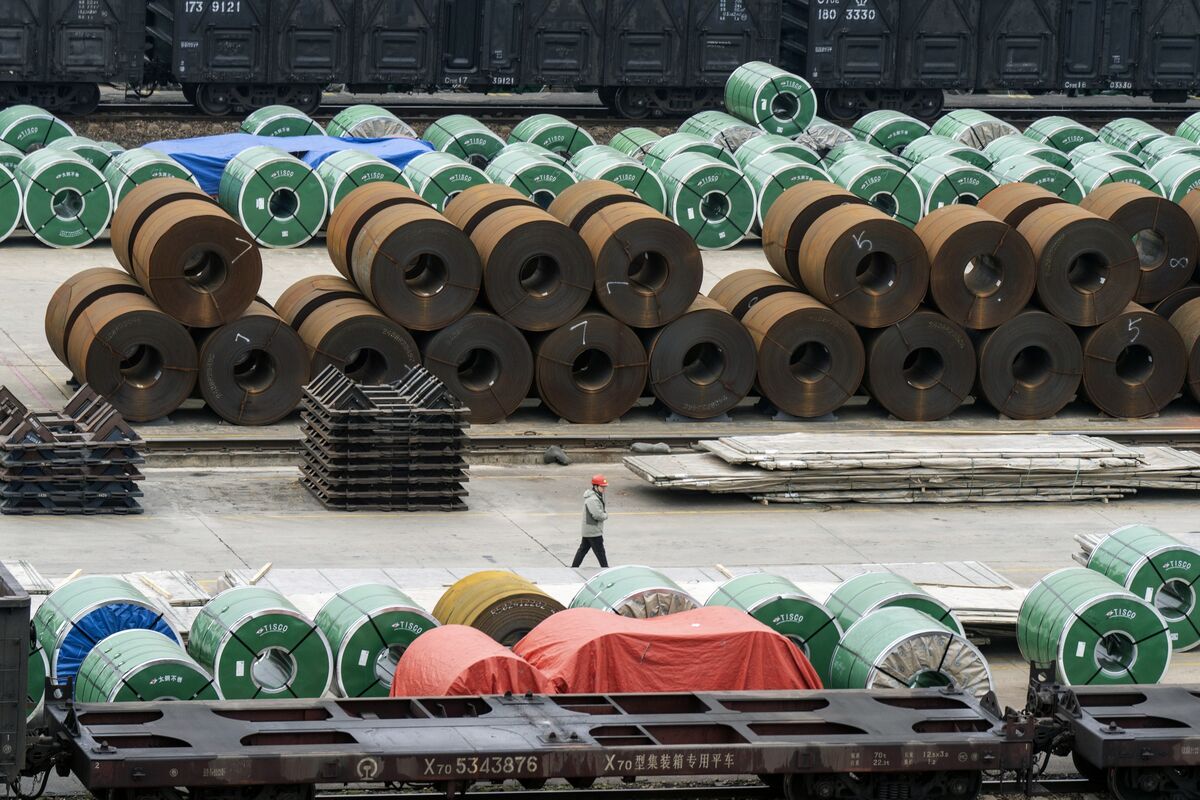
Trump's June steel tariffs, reaching up to 50%, are compelling US neighbors like Mexico, Brazil, and Canada to engage in a dual response. Beyond negotiating with the US to mitigate export impacts, these nations are also actively blocking cheap Chinese steel imports to safeguard domestic producers and boost local demand, indicating a broader strategic realignment in global steel trade flows driven by US protectionism.
The imposition of US steel tariffs of up to 50% in June is creating significant secondary effects in global trade dynamics. Key US trading partners, including Mexico, Brazil, and Canada, are pursuing a dual-pronged strategy in response. While actively negotiating with the US to mitigate the impact on their steel exports, these nations are simultaneously implementing protectionist measures of their own. Critically, these countermeasures are aimed at blocking an influx of cheap steel from China, a move designed to protect their domestic producers and stimulate local demand as a partial offset to lost US-bound exports. This development signals a broader and more complex fragmentation of global trade, where US protectionism is compelling other nations to erect their own trade barriers, specifically targeting Chinese oversupply and potentially reshaping established supply chains in the global steel market.
AI-powered research, real-time alerts, and portfolio analytics for institutional investors.
Request DemoOverall Sentiment
strongly negative
Sentiment Score
-0.70
Ticker Sentiment
