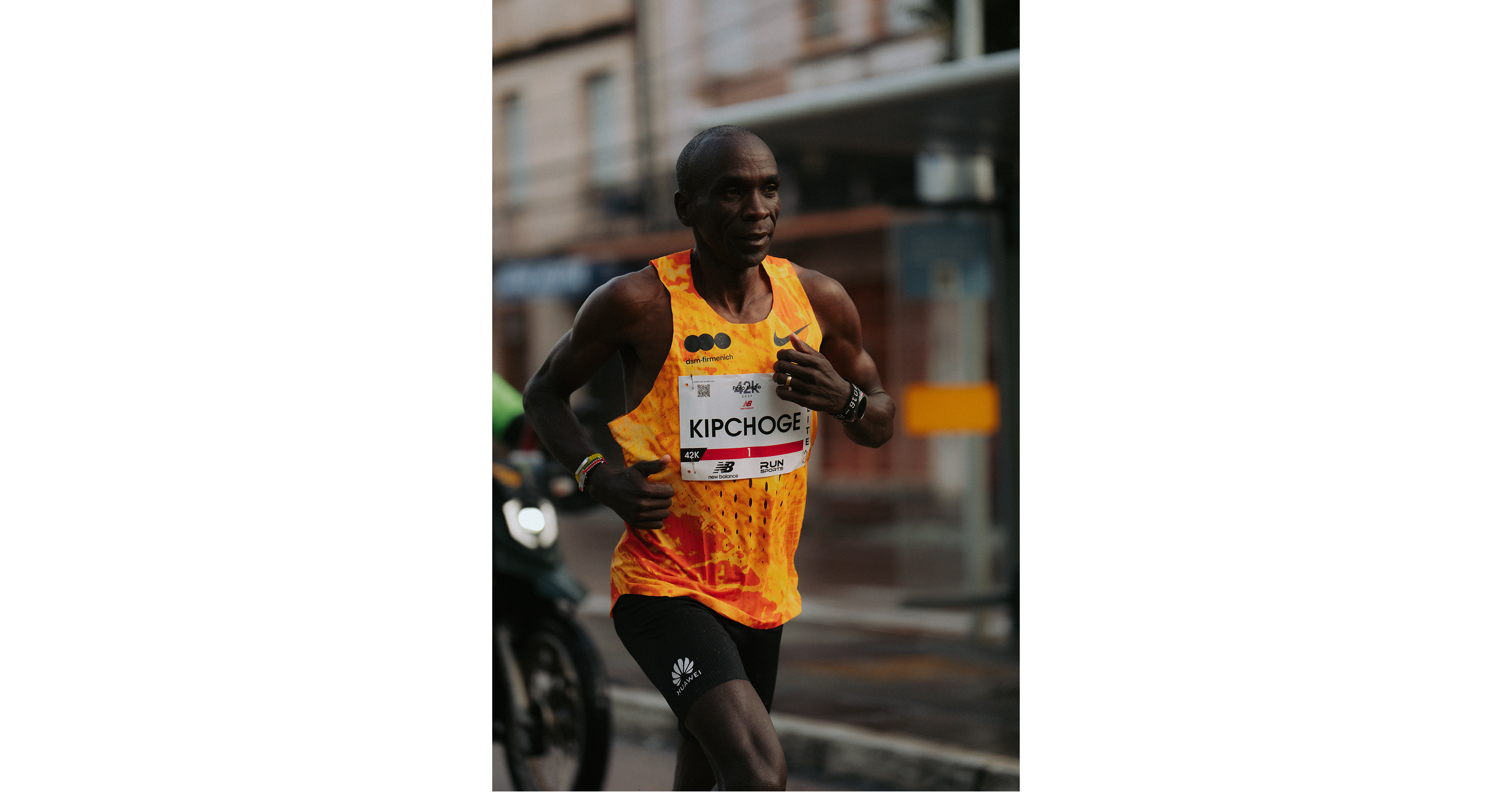
Huawei is promoting the HUAWEI WATCH GT Runner 2 in Brazil, highlighting an intelligent marathon mode with World Athletics–labeled race support and a virtual pacing feature that calculates tempo deviations in real time. The campaign uses Eliud Kipchoge—an ambassador and co-influencer in development—to validate performance “in the real world” during the NB42K Porto Alegre marathon. The article is a product/innovation showcase with limited measurable financial impact, but a modest positive consumer/brand signal.
This reads less like a revenue catalyst and more like a brand/credibility campaign for a wearables category where trust in sensors and battery life matters more than celebrity marketing. The competitive implication is that Huawei is trying to migrate from “good-enough hardware” into the serious-runner segment, which matters most in price-sensitive markets like Brazil and, by extension, LatAm/parts of EMEA where Apple’s premium pricing is a hurdle.
The main public-market read-through is modest pressure on Garmin (GRMN) at the margin: if Huawei improves perceived training accuracy, it can nibble at the lower end of Garmin’s running franchise and raise replacement-cycle risk among aspirational amateurs. Apple (AAPL) is less exposed because its wearables moat is ecosystem-driven, not athlete-specific, while the bigger structural risk is category commoditization—AI coaching and sensor parity reducing differentiation across hardware vendors over 6-18 months.
Near term, this is mostly narrative, not a verifiable unit-demand inflection. The falsifier is lack of sell-through: if Brazil/LatAm channel checks and Q3/Q4 wearables data don’t show share gains, the endorsement remains marketing noise. Conversely, a sustained shift in sports-watch reviews or app ecosystem adoption would matter more than the launch event itself, especially if it starts compressing Garmin’s premium ASPs or gross margin mix.
Contrarian view: the market may be overestimating Huawei’s ability to convert athlete legitimacy into durable demand outside China. Distribution, ecosystem friction, and regulatory/brand baggage still cap addressable share, so the right trade is probably to wait for evidence rather than pay upfront for the story.
AI-powered research, real-time alerts, and portfolio analytics for institutional investors.
Request TrialOverall Sentiment
mildly positive
Sentiment Score
0.35
