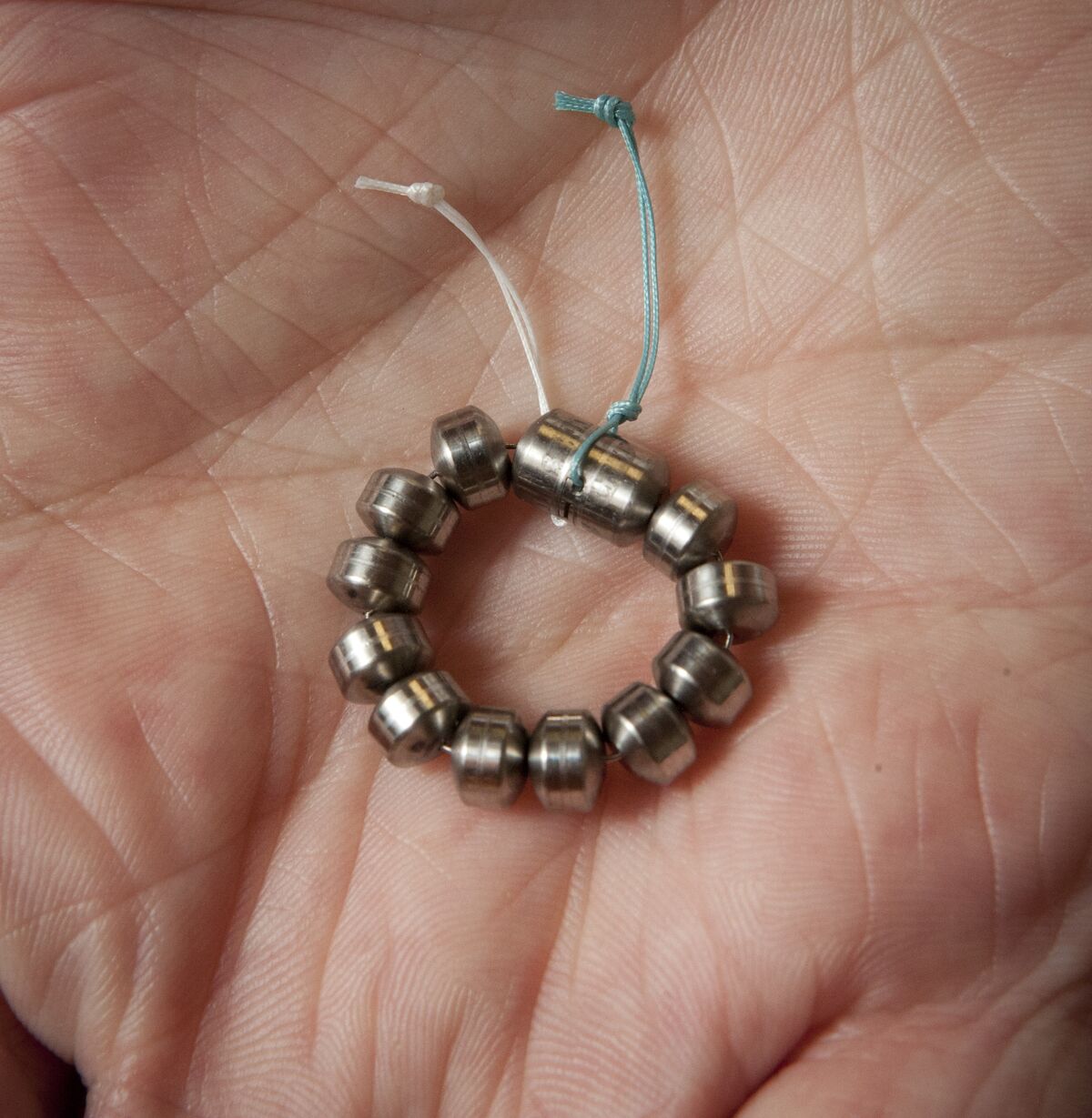
Johnson & Johnson is withdrawing its Linx Reflux Management System, a device for acid reflux, from markets outside the US by the end of March, citing a commercial decision unrelated to device safety or efficacy. Surgeons have expressed alarm over this move, warning it will significantly set back available treatment options for acid reflux sufferers by over a decade and also impact lung transplant patients.
Johnson & Johnson is executing a strategic withdrawal of its Linx Reflux Management System from all markets outside the United States, effective from the end of March. The company has framed this as a "commercial decision," explicitly stating it is not related to the product's safety or efficacy. This suggests a move driven by profitability, market penetration, or other business-related factors rather than a product recall. However, this decision has been met with significant alarm from the medical community. Surgeons have warned that the withdrawal will regress available treatment options for severe acid reflux by over a decade and will also negatively affect lung transplant patients who rely on the device. The moderately negative sentiment score (-0.6 for JNJ) reflects this reputational headwind, though the low market impact score (0.25) indicates that investors perceive the direct financial consequences for a company of J&J's scale to be minimal.
AI-powered research, real-time alerts, and portfolio analytics for institutional investors.
Request DemoOverall Sentiment
moderately negative
Sentiment Score
-0.50
Ticker Sentiment
