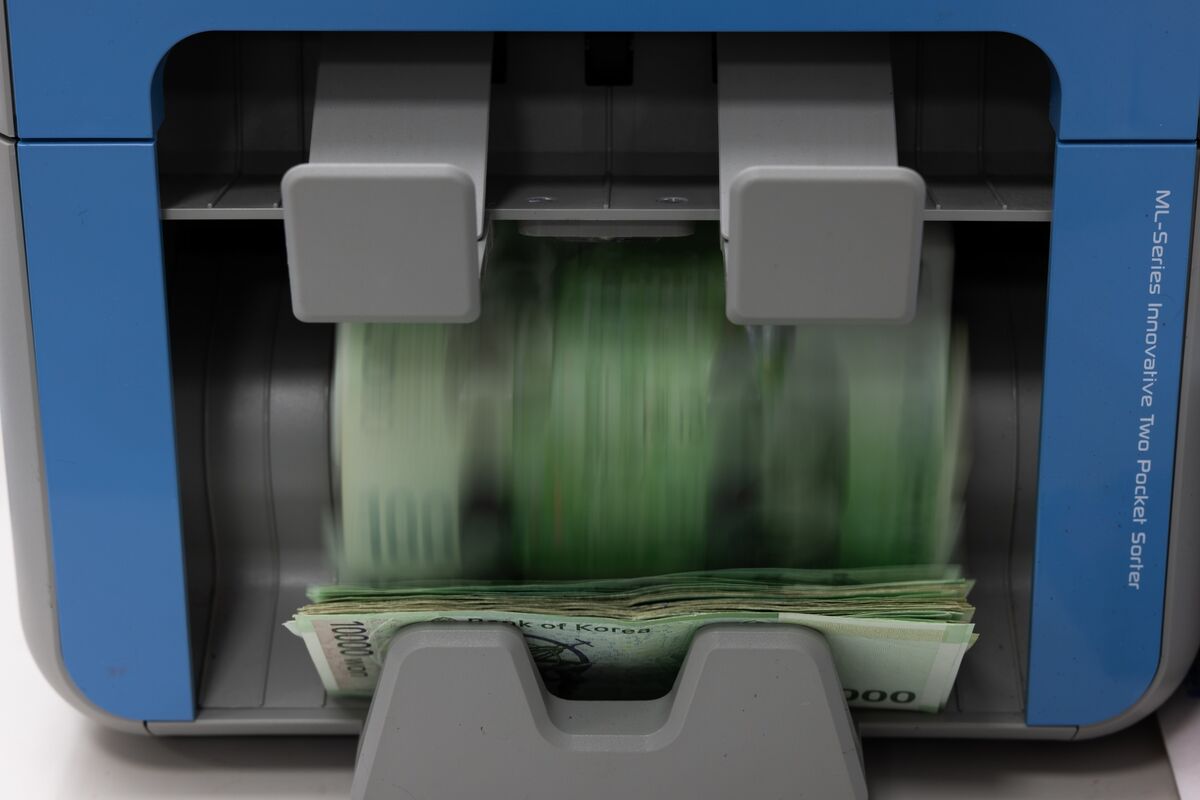
US President Trump has threatened new tariffs ranging from 25% to 40% on goods from several Asian trading partners, including Japan, South Korea (25% from Aug. 1), Malaysia (25%), Indonesia (32%), Bangladesh (35%), Thailand (36%), Cambodia (36%), Laos (40%), and Myanmar (40%). Currency strategists anticipate these levies will lead to weaker Asian currencies, prompting investors to closely monitor regional markets.
The US administration has materially escalated trade tensions by threatening a new, broad-based wave of tariffs against key Asian trading partners, introducing significant risk and uncertainty into regional markets. The proposed levies are substantial, ranging from 25% on developed economies like Japan and South Korea (effective August 1) to rates as high as 40% on frontier markets such as Laos and Myanmar. This development, assessed with strongly negative sentiment and high market impact, directly threatens the profitability of export-oriented economies across the region. As highlighted by currency strategists, the most immediate and anticipated consequence is a significant weakening of the targeted Asian currencies against the US dollar, reflecting a flight to safety and concerns over deteriorating trade balances and economic growth prospects for the affected nations.
AI-powered research, real-time alerts, and portfolio analytics for institutional investors.
Request DemoOverall Sentiment
strongly negative
Sentiment Score
-0.75
