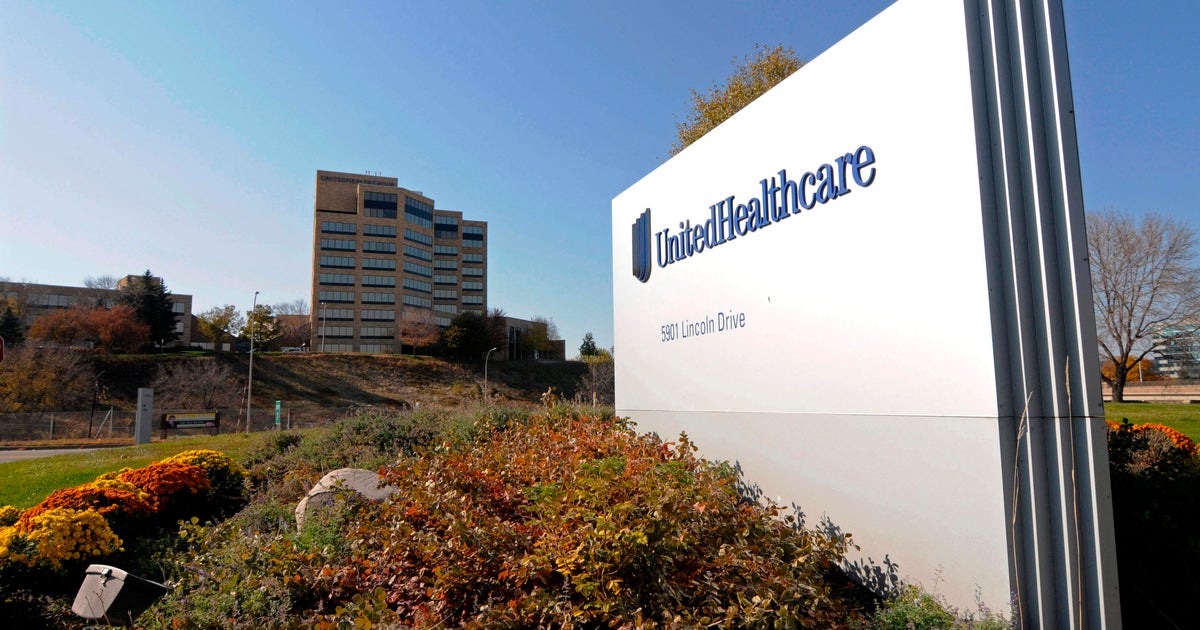
UnitedHealthcare will eliminate prior authorization requirements for 30% of previously restricted medical services, with implementation expected by the end of 2026. The change is aimed at reducing administrative burden and speeding patient access, following industry-wide pressure to streamline approvals. The company said prior authorization is currently required for 2% of covered services, with 92% of those approved within 24 hours.
This is less a near-term earnings event than a signal that the managed-care industry is being forced to concede process friction as a competitive variable. The immediate beneficiary is provider throughput: fewer admin handoffs should marginally improve utilization velocity for outpatient settings, which is mildly constructive for facility and ancillaries exposed to outpatient volume mix, but the larger effect is that insurer-provider relations may become less adversarial at the margin.
For UNH, the revenue impact is likely muted in the first 12-18 months because the company is only trimming a narrow slice of a small approval pool, but the strategic benefit is reputational and regulatory. The key second-order effect is defensive: by moving voluntarily, UNH lowers the probability of more punitive state/federal action later, potentially reducing headline risk and litigation overhang versus peers who delay. HUM should benefit indirectly if the industry re-rates on lower administrative burden, but it is more exposed to any future loosening that worsens utilization and medical-cost ratios.
The contrarian read is that this is not a capitulation; it is a data-driven optimization that preserves control over the most expensive care while conceding low-risk, high-friction approvals. That means consensus may overestimate the margin hit in the short run and underestimate the signaling value to regulators and employers. The bigger risk is that this becomes the template for broader requirements reduction over the next 12-24 months, which could quietly compress underwriting leverage if clinical utilization proves stickier than modeled.
AI-powered research, real-time alerts, and portfolio analytics for institutional investors.
Overall Sentiment
mildly positive
Sentiment Score
0.15
Ticker Sentiment
