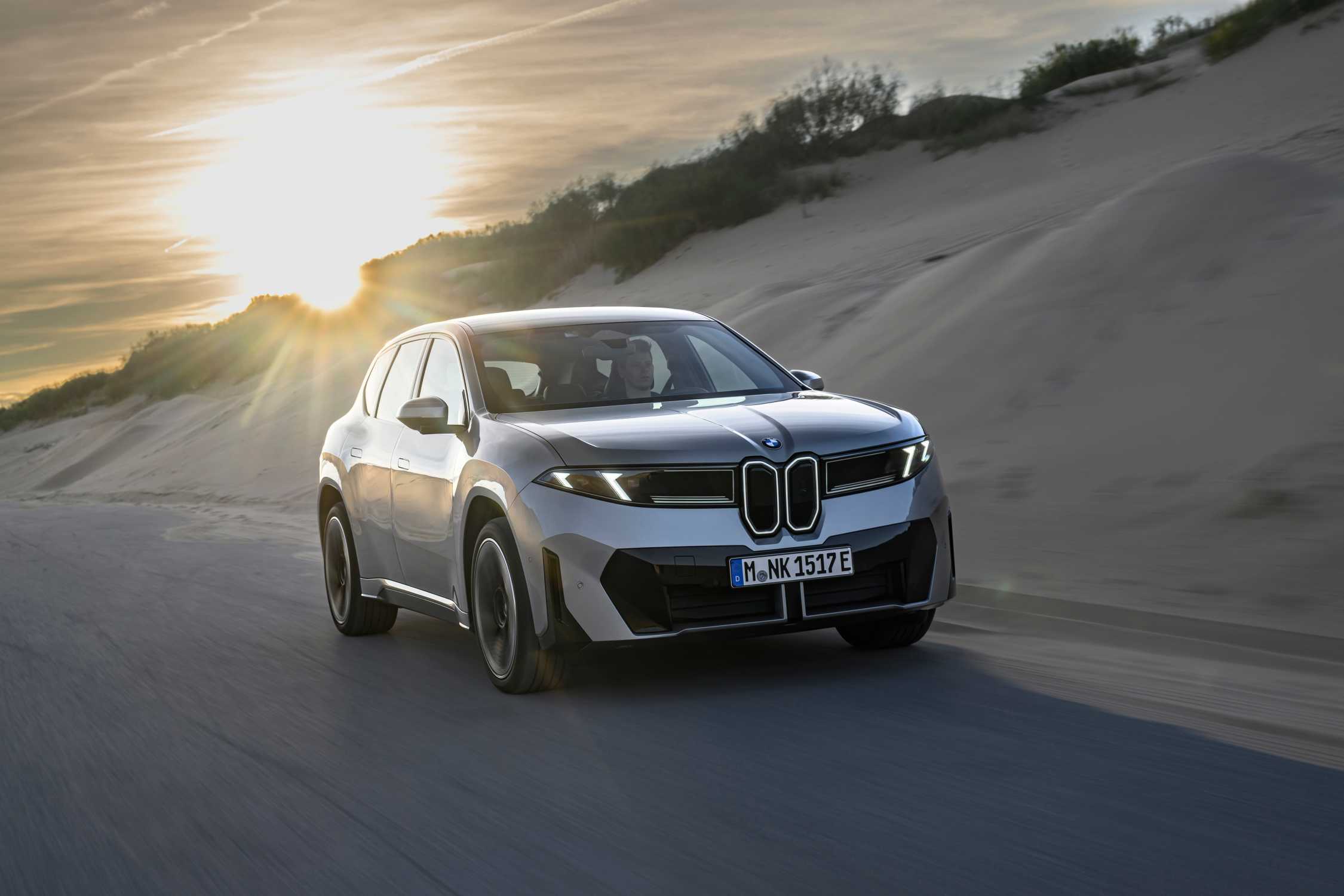
BMW Group Canada announced Canadian pricing for the all-new 2027 BMW iX3 50 xDrive at $75,900 CAD, with a confirmed NRCan-certified range of up to 698 km versus the prior 650 km estimate. The model also brings 400 kW DC fast charging, sixth-generation eDrive technology, and Panoramic iDrive, with Canadian sales set to begin in Fall 2026. The release is positive for BMW’s EV positioning, but it is primarily a product update and likely has limited immediate market impact.
This is less about one model and more about BMW proving it can compress the EV value stack: range leadership, sub-$76k CAD entry, and fast-charge architecture in a midsize SUV body. The second-order implication is pressure on premium OEM peers that have been leaning on scarcity pricing and weaker EV specs to protect ICE cash flows; if BMW can deliver class-leading usability without a luxury-tax premium, it raises the bar for Audi, Mercedes, and Volvo in a segment where buyers are highly comparison-driven.
The most important operational signal is not the headline range, but what it implies about battery cost, thermal management, and platform discipline. A credible 400 kW charge curve and nearly 700 km certified range suggest BMW is moving toward a product formula that can reduce warranty and customer-churn risk while improving residual values; that matters for leasing arms and dealer inventory turns over the next 12–24 months. If residuals hold, BMW Financial Services should benefit more than the OEM margin line would suggest.
The contrarian read is that the market may over-interpret this as immediate EV share gain in North America. In Canada, adoption is still constrained by charging density, winter degradation, and incentive sensitivity, so the launch is more likely to improve BMW’s conquest rate in affluent urban pockets than to materially shift total mix in the near term. The real upside catalyst is not launch day, but the first six months of customer reviews, actual winter range performance, and whether BMW can convert the model into a leasing and retention flywheel.
For competitors, the risk is margin compression rather than unit loss: if BMW can hit this spec at the stated price, peers may need to reprice similarly sized EVs or add incentives, which would hit profitability before it shows up in headline sales data. The supply-chain beneficiary is likely to be high-end battery component and thermal-management suppliers, but the bigger macro effect is that premium EV deflation could intensify across 2027 model-year launches.
AI-powered research, real-time alerts, and portfolio analytics for institutional investors.
Request DemoOverall Sentiment
moderately positive
Sentiment Score
0.62
