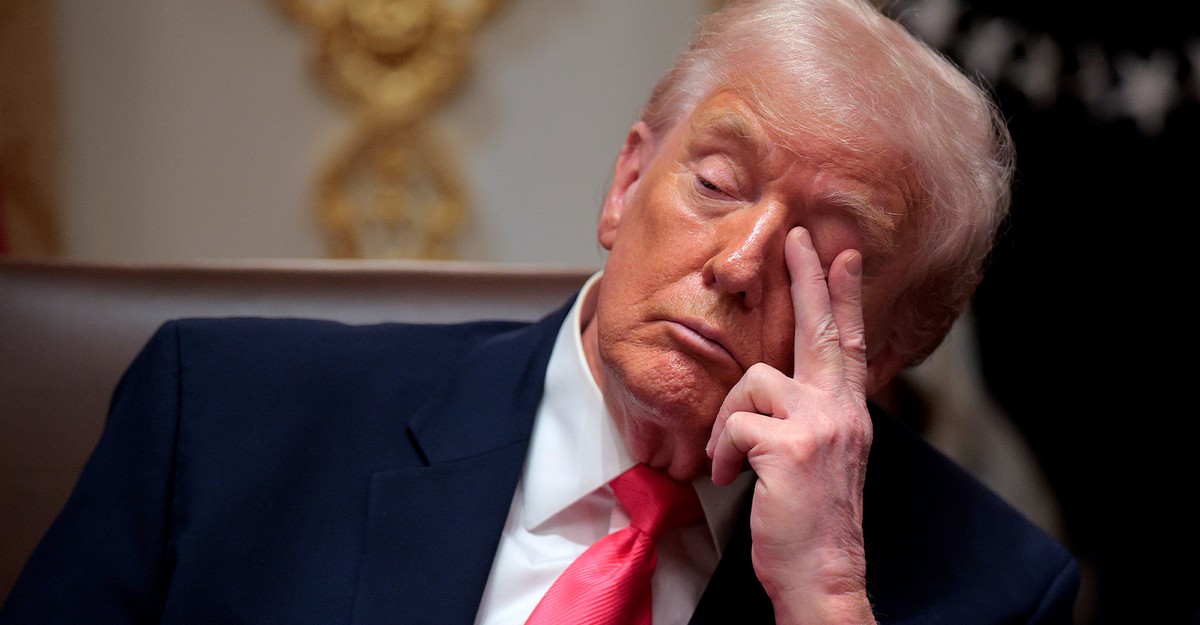
The article says Trump is seeking to end the Iran war, but Tehran may be able to sustain pressure for at least 3-4 more months, prolonging a stalemate that has already closed the Strait of Hormuz and pushed energy prices higher. U.S. officials say the naval blockade is squeezing Iran's economy, yet Iran still retains significant missile capacity and leverage over the strait, keeping global oil and shipping markets at risk. The conflict is now also weighing on U.S. politics, with rising gas prices, falling GOP poll numbers, and added uncertainty ahead of Trump's China summit.
The market implication is not “war ends” but “war decays into a longer, lower-grade energy shock.” That is worse for cyclicals than a clean escalation because it keeps freight insurance, routing, and inventory buffers elevated without triggering a definitive supply response. The most mispriced second-order effect is the persistence of uncertainty: refiners, shippers, and industrial buyers will pay for optionality every week the strait remains unstable, which can keep product cracks and maritime insurance premiums sticky even if headline crude gives back some of the spike.
The key tactical asymmetry is time. Iran appears able to prolong the pressure for several months, while U.S. political tolerance likely erodes faster because gasoline is immediate and visible. That means the administration’s incentives skew toward rhetorical de-escalation and partial stand-downs before any true strategic resolution, which lowers the probability of a decisive military supply shock but raises the probability of a messy, recurring volatility regime. In that setup, energy equities can outperform on cash-flow leverage even if spot oil stops rising, but airlines, trucking, chemicals, and consumer discretionary all face margin compression from persistent input costs and weaker demand.
The contrarian miss is that “no full resumption of hostilities” is not bullish for risk assets if the blockade and supply-chain friction remain. A frozen conflict with intermittent clashes can be more inflationary than a short, violent spike because it forces sustained inventory hoarding and raises working capital needs across import-heavy sectors. If the administration starts signaling a diplomatic off-ramp ahead of the China meeting, the unwind will likely be abrupt and will punish crowded energy longs first, but until then the path of least resistance is higher volatility rather than lower prices.
The cleanest trading expression is to own geopolitical volatility while fading domestic demand-sensitive sectors. The setup favors a basket approach over single-name oil beta because the bigger edge is in relative winners from scarcity and logistics friction, not a directional call that Brent goes to the moon.
AI-powered research, real-time alerts, and portfolio analytics for institutional investors.
Request DemoOverall Sentiment
strongly negative
Sentiment Score
-0.70
