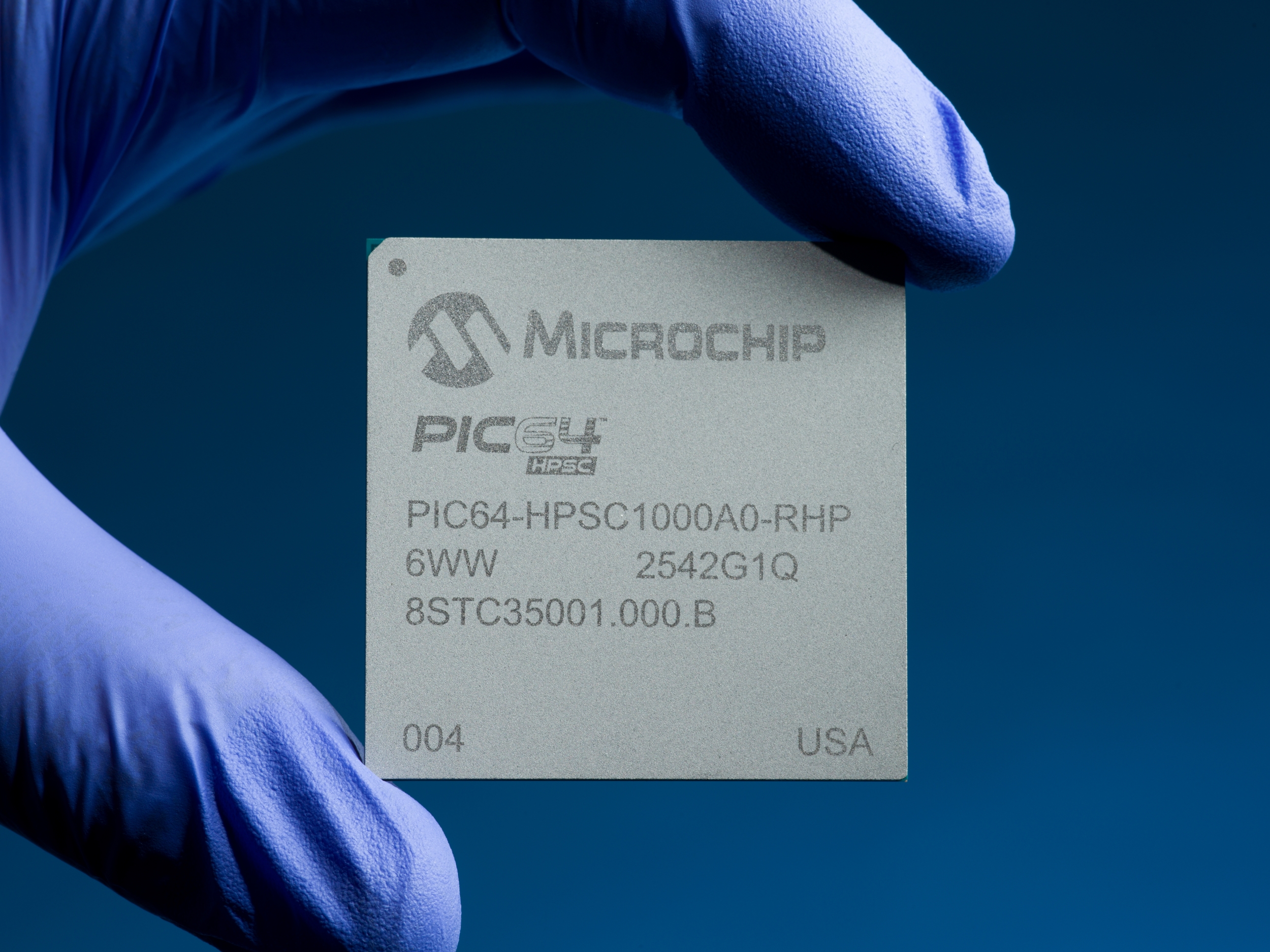
NASA's JPL says the PIC64-HPSC radiation-hardened processor is benchmarking at 500x the performance of chips currently flying on deep-space missions, far above the program's 100x design target. The chip is still in qualification testing and must be certified by late 2026 to remain eligible for NASA's 2028 Artemis IV lunar mission, with cybersecurity and certification timing remaining key risks. The result is a significant technology milestone, but near-term market impact should be limited until flight certification and mission adoption are confirmed.
Microchip is the clearest direct beneficiary, but the bigger story is that this is a credible proof point for a new class of edge computing in space: if qualification clears, the value shifts from raw silicon to the ability to sell mission-enabling autonomy, data compression, and fault-tolerant compute stacks. That broadens the addressable market well beyond NASA into defense satellites, lunar infrastructure, and industrial autonomy where qualification and long product cycles support higher gross margins and stickier revenue. The second-order winner could be the supply chain around radiation-hard packaging, validation, and flight software, because the bottleneck will move from transistor performance to certification throughput.
ARM is less exposed as a direct winner, but the article reinforces the optionality of its IP franchise in mission-critical edge devices. The real competitive implication is that open architectures like RISC-V reduce lock-in and pressure legacy proprietary ecosystems; that is a subtle negative for ARM’s long-term monopoly rent in adjacent embedded markets, even if the immediate revenue impact is immaterial. The market may underprice how often this type of design choice migrates from space into aviation safety and autonomy, where procurement standards are slower but volumes are much larger.
The near-term risk is not technical performance; it is schedule slip and cybersecurity. If certification misses the late-2026 window, the catalyst likely rolls into a later robotic mission, which would compress the Artemis enthusiasm trade and shift the equity reaction from a hardware re-rating to a longer-dated thematic story. The more material downside is a security gating event: autonomous decision-making chips increase the blast radius of any software vulnerability, and any GAO-driven procurement delay would hit adoption faster than a lab-test failure because it affects contract language, not just engineering. The contrarian view is that the market may be over-reading this as a 2028 Artemis story when the bigger monetization is probably a multi-year defense/commercial derivative cycle; near-term aerospace enthusiasm could fade if the chip remains pre-flight through year-end.
AI-powered research, real-time alerts, and portfolio analytics for institutional investors.
Request DemoOverall Sentiment
moderately positive
Sentiment Score
0.55
Ticker Sentiment
