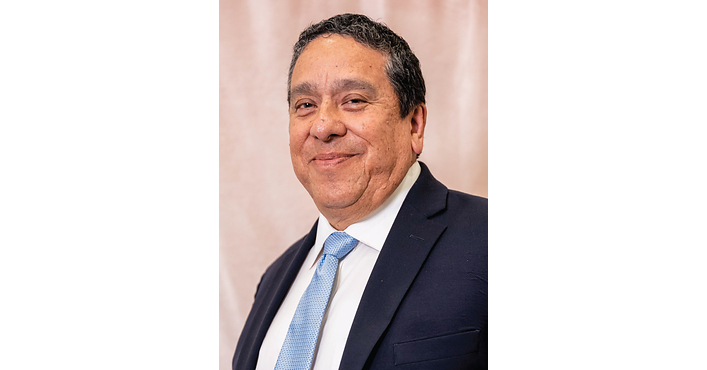
Gardner Health Services nombró a Guillermo Viveros presidente y CEO, un veterano de más de 20 años en finanzas corporativas y operaciones. Viveros pasa desde CFO (y CEO interino) para liderar una organización de presupuesto operativo de más de $100M que atiende a más de 47,000 pacientes y clientes al año. El anuncio apunta a reforzar la base operativa y ampliar atención primaria y salud mental en los condados de Santa Clara y San Mateo.
This is a governance signal, not a fundamental catalyst, for public equities. The only name with even a faint linkage is FRSH, where the market may assign a small reputational premium to management pedigree, but that does not translate into near-term ARR, churn, or margin impact. For ACN and CYH, the economic transmission is effectively zero; any local operating improvement at a community provider is too small to move national healthcare or services comparables.
The real second-order effect is on operating discipline inside safety-net care: a finance-led CEO can tighten collections, staffing mix, and grant compliance, which matters over 2-3 quarters if reimbursement pressure worsens. That could modestly improve access and retention versus nearby clinics/urgent care, but the competitive spillover is local and not investable from a listed-equity perspective. The contrarian view is that investors often overrate CEO resumes here; FQHC outcomes are dominated by Medicaid rates, labor availability, and public funding cycles, not leadership optics.
Catalyst-wise, the only thing worth watching is whether this management transition shows up in budget execution or patient throughput over the next 1-3 reporting cycles. Falsifiers to any positive read are deteriorating operating cash flow, staff attrition, or policy changes that tighten safety-net reimbursement. Absent that, this should remain a no-trade headline.
AI-powered research, real-time alerts, and portfolio analytics for institutional investors.
Request DemoOverall Sentiment
mildly positive
Sentiment Score
0.18
Ticker Sentiment
