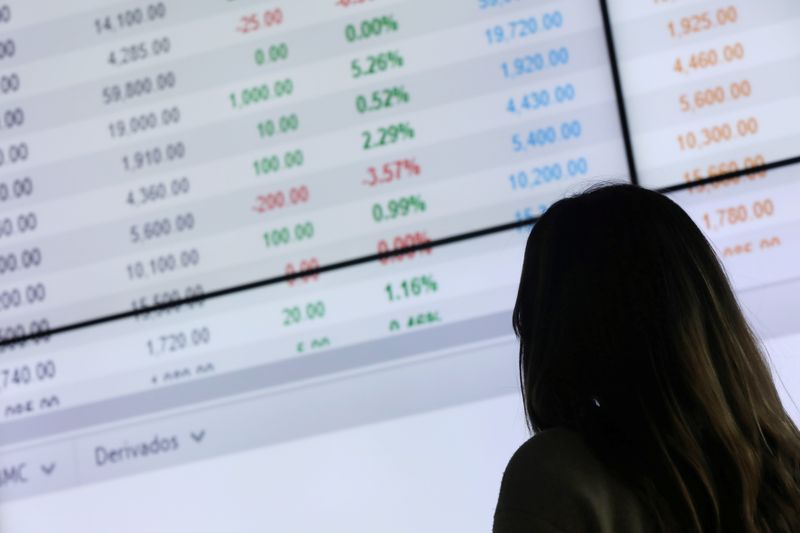
The COLCAP closed up 0.39% as Industrials, Services and Agriculture led gains; Ecopetrol climbed 2.80% to 2,570.00 and reached a 52-week high. Biggest decliners included Etb (-9.09% to 50.00) and Grupo de Inversiones Suramericana Pf (-6.43% to 41,620.00). FX and commodities showed notable moves: USD/COP +0.33% to 3,706.43, BRL/COP -1.04% to 697.05, US coffee (May) -2.31% to $285.15, US cocoa (May) -0.51% to $3,298.00 and April gold futures -2.00% to $5,023.10; US Dollar Index futures rose 0.75% to 100.50. Headline notes oil is on a two-week winning streak amid Iran supply concerns, providing supportive context for energy names.
Energy-exporters in LATAM — and their upstream-heavy equities — will likely capture margin upside faster than domestically diversified corporates; for a resource-heavy producer, a sustained $5–10/bbl move typically translates into low-double to mid-double percent uplift in EPS within 3–6 months because cash flow accrues immediately to upstream operations while downstream/refining cycle lags. Expect market microstructure to amplify moves: thin foreign participation in Colombian equities means directional oil flows can create outsized local beta and transient dislocations between producer stocks and broader indices.
A meaningful risk is a reversal driven by macro (USD strength) or diplomatic relief rather than production physics; a decisive USD rally or a headline signaling reopened export corridors could compress risk premia in days-to-weeks, whereas on-the-ground production changes typically take months to materialize. Equally important is the policy channel — higher imported energy costs feed CPI, which forces tighter local rates and raises discount rates on EM equities, eroding any commodity-driven gains if sustained beyond a quarter.
Second-order effects create tradeable cross-currents: rising hydrocarbon receipts can reduce sovereign funding pressure and tighten credit spreads, benefitting domestic bondholders and long-duration banks, but simultaneous currency weakness (driven by global dollar moves or portfolio outflows) can neutralize local-currency equity returns. That divergence opens pair-trade opportunities to isolate commodity exposure from FX and rate risks over 1–3 month windows.
AI-powered research, real-time alerts, and portfolio analytics for institutional investors.
Overall Sentiment
neutral
Sentiment Score
0.05
