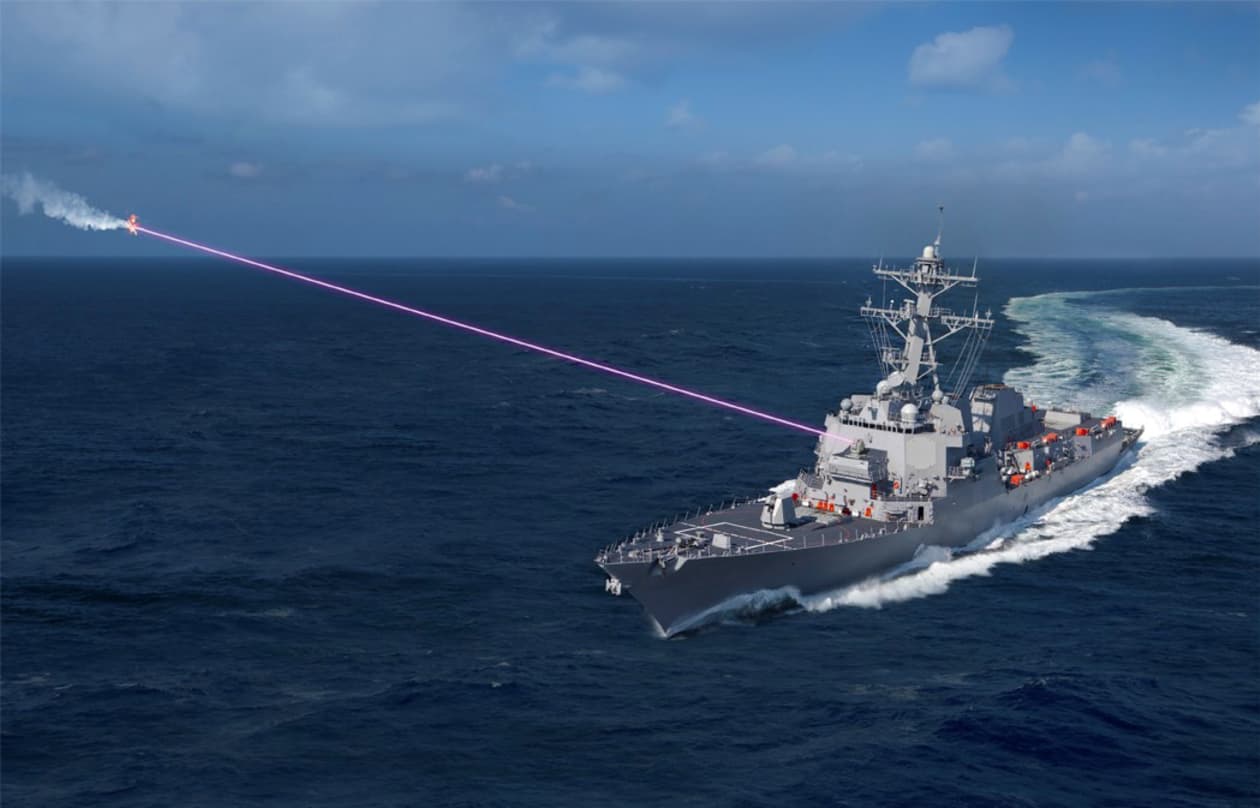
The article argues that directed-energy weapons, especially lasers and high-power microwave systems, are moving from science fiction into procurement, shipboard integration, and operational air-defense networks. It highlights a structural shift in counterdrone economics: low-cost drones are forcing defenders to spend expensive interceptors, while DEW could reverse that cost imbalance. The piece frames this as a positive valuation driver for defense names exposed to the booming counterdrone market, including Palantir and Elbit.
The market is starting to re-rate counterdrone as an economics story rather than a hardware story. That matters because once a capability shifts from “exquisite interceptor” to “cost-imposing shield,” procurement behavior tends to accelerate and become more repeatable, which supports higher terminal multiples for platform names with software, integration, and mission-management exposure. PLTR benefits if buyers increasingly want a command-and-control layer that stitches sensors, shooters, and autonomy together; ESLT benefits if the procurement cycle shifts toward integrated air-defense stacks rather than point products.
Second-order winners are likely to sit one level down the stack: power management, thermal systems, beam-control optics, and ruggedized sensing. The hidden loser is the legacy interceptor ecosystem, where demand may not collapse, but unit economics deteriorate as customers reserve expensive missiles for only the highest-confidence targets. That can compress replenishment demand over the next 12-24 months even if headline defense budgets keep rising, because one laser battery can substitute for a large volume of low-end intercept shots.
The key risk is that this remains an operational adoption theme, not yet a revenue inflection theme. If field testing exposes reliability, weather, power, or shipboard integration constraints, the market will punish the “DEW beneficiaries” faster than it is rewarding them today. A more subtle reversal risk is budget cannibalization: if ministries reallocate from broad defense modernization into a few marquee DEW programs, the near-term winner set narrows, and integrators without direct program wins may underperform.
Consensus may be underestimating the duration of the runway. The bullish setup is not that lasers instantly replace missiles; it is that they force adversaries to spend differently, which gradually raises the value of layered defense networks and software orchestration. The trade is therefore better viewed as a multi-quarter compounding thesis than a one-day headline reaction, with the best entries on pullbacks after initial enthusiasm fades.
AI-powered research, real-time alerts, and portfolio analytics for institutional investors.
Request DemoOverall Sentiment
mildly positive
Sentiment Score
0.45
Ticker Sentiment
