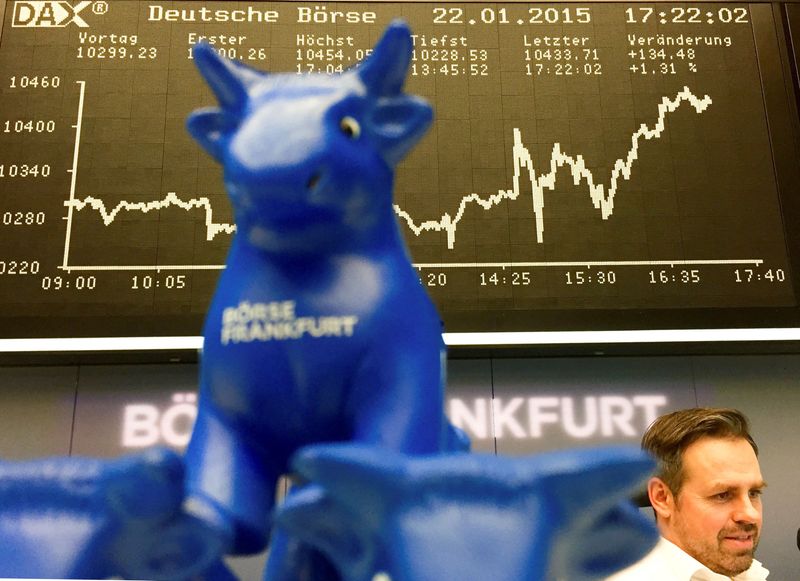
European equities traded mostly lower, with the Stoxx 600 down 0.4%, the DAX off 0.5%, and the FTSE 100 down 0.6%, as renewed Iran-related tensions kept risk sentiment weak. Oil moved back above $100 a barrel after disruptions near the Strait of Hormuz, underscoring supply risk from the conflict. Company results were mixed: L’Oreal rose more than 8% on its fastest quarterly growth in two years, while Sainsbury’s fell over 5% on warnings that the war will hurt shopping habits.
The market is still pricing this as a headline risk event, but the real transmission channel is now second-order: persistent energy inflation feeds directly into margin compression for European consumer staples, retailers, and industrials with weak pricing power. The winners are not the obvious upstream energy names alone; they are firms with indexation, low energy intensity, or pricing leverage, while domestic-demand retailers and travel-exposed names face the sharpest earnings revisions over the next 1-2 quarters. The stronger-than-expected luxury/cosmetics print is a reminder that premium brands can still pass through cost pressure, so the dispersion inside consumer discretionary is likely to widen rather than the whole sector de-rate uniformly.
The most important risk is duration, not level. If crude stays elevated for several weeks, the hit to European real incomes will start to show up in basket sizes, traffic, and promotional intensity, with the lagged effect on earnings more important than the immediate multiple compression. Conversely, any credible de-escalation that restores shipping confidence through the Strait would trigger a fast unwind in the energy-risk premium, likely hitting long energy and defense-like positioning first while relieving pressure on cyclical European growth names.
For financials and defensives, this is a stock-picker’s environment: insurers and select healthcare can absorb input-cost shocks better than retailers, but banks may see softer loan demand and higher credit caution if consumer confidence rolls over. The market may be underestimating how quickly the current oil move becomes a European growth problem; the consensus seems focused on geopolitics, while the more durable trade is the margin squeeze and demand elasticity that follow if households face a sustained utility/fuel shock. That argues for positioning around earnings sensitivity rather than trying to forecast every headline out of the region.
AI-powered research, real-time alerts, and portfolio analytics for institutional investors.
Request TrialOverall Sentiment
mildly negative
Sentiment Score
-0.20
Ticker Sentiment
