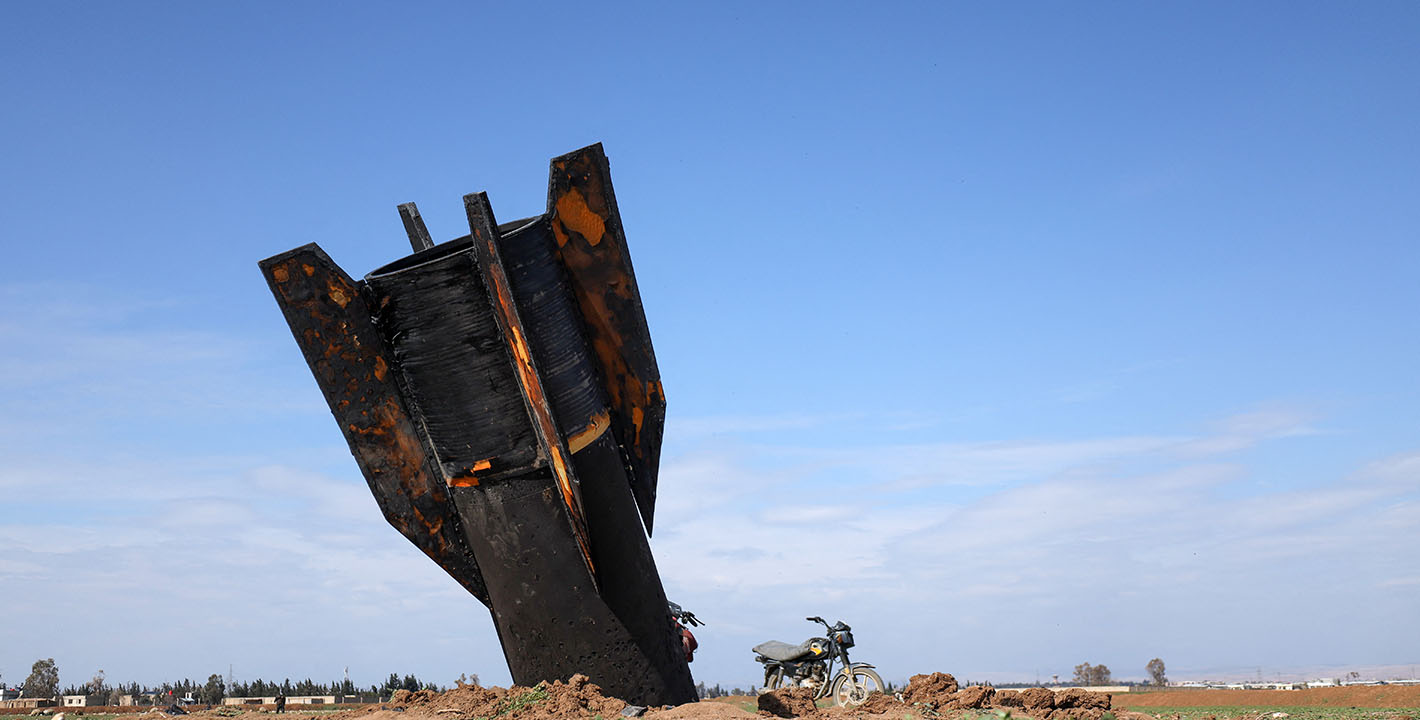
U.S. and Israeli strikes against Iran have progressed through phases—leadership decapitation, systematic degradation of missile forces and air defenses, targeted hits on the defense-industrial base, and since March 7, attacks on oil and gas infrastructure (including sites tied to South Pars and Bushehr). Israel claims near-complete air superiority and hundreds of missile/drone-related targets struck; Iran reports 'hundreds' of ballistic and naval missile launches and staged more than 90 attempted strikes on Israel between Feb 28–Mar 4 (≈60% of the five-day June 2025 benchmark). The campaign materially raises the risk of wider regional escalation and energy-market disruption, implying a high market-impact, risk-off environment for portfolios.
The operational advantage in persistent ISR and long-range precision strike creates a multi-temporal hit on adversary capabilities: immediate attrition of high-value launchers and facilities compresses their short-term sortie generation, while targeting industrial nodes increases the marginal replacement cost of missiles and engines by months-to-years. That bifurcation — rapid battlefield effects versus slow industrial attrition — favors firms and instruments exposed to near-term defense spending and long-duration modernization programs simultaneously, creating a dual-alpha window for both tactical options and multi-year equities.
Energy and shipping markets face a convex exposure where headline escalation drives steep, front-loaded volatility but inventories and spare capacity limit structural price elevation absent sustained outages. Insurance and reinsurance pricing is the subtle lever: a sequence of localized losses will reprice war-risk and hull premiums within 30–90 days, raising transport and project finance costs across oil, LNG and high-value manufacturing supply chains even if commodity physical disruptions prove transient.
Politically, the dominant tail risk is asymmetric escalation triggered by attempts to physically secure fissile material or a failed high-risk special operation; that outcome compresses conventional windows for de-escalation and would force prolonged capital reallocation toward defense, strategic fuels, and hard-currency refuges. Conversely, the contrarian case is that global buffers (SPR, commercial inventories, diversified suppliers) and the political cost of a wider regional conflagration make a durable oil shock unlikely — making short-duration volatility the primary tradeable factor rather than a multi-year supply shock.
AI-powered research, real-time alerts, and portfolio analytics for institutional investors.
Request DemoOverall Sentiment
strongly negative
Sentiment Score
-0.70
