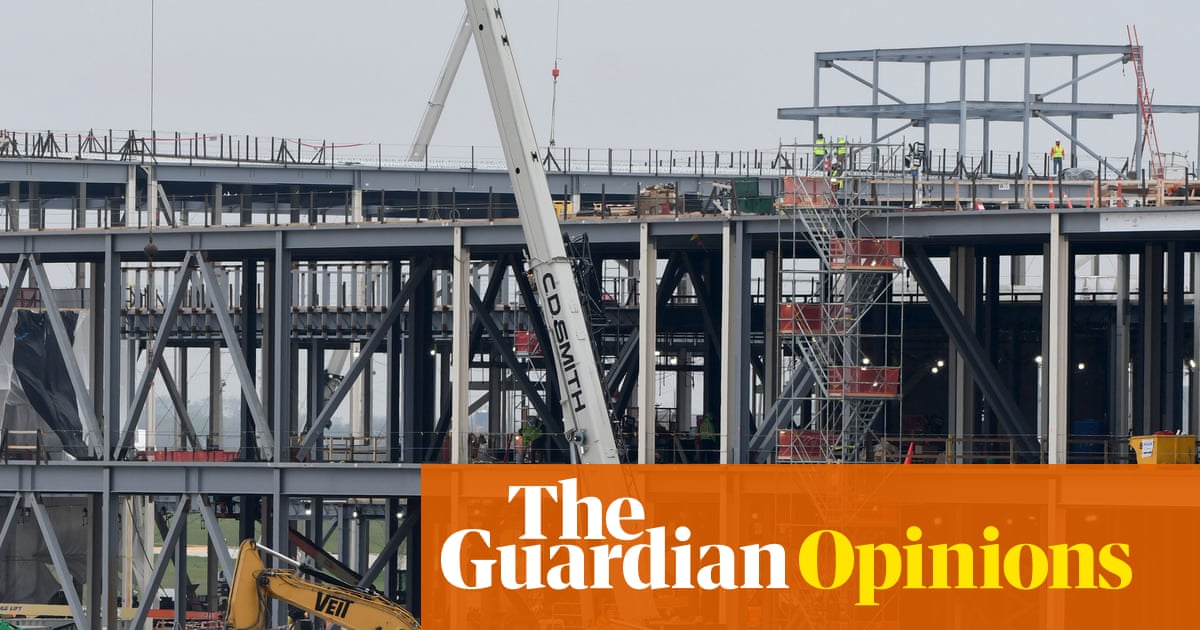
AI datacenter expansion is driving sharp increases in electricity demand and local utility costs, with one report citing a 76% jump in power prices on the largest U.S. grid in Q1 and U.S. utilities seeking nearly $30 billion in retail rate increases in H1 2025. The piece highlights community backlash, water and pollution concerns, and growing regulatory scrutiny, including a $1.2 billion University of Michigan datacenter project facing a one-year moratorium on water and sewer services. The broader message is that AI infrastructure is becoming a material political and cost issue for utilities, developers, and local governments.
The investable issue is not whether AI capex keeps growing; it is where the bottleneck migrates next. The market is still pricing datacenter buildout as a straight-line beneficiary for compute and semis, but the more immediate winners are grid adjacency, transmission, gas-fired generation, switchgear, and power-management equipment. The marginal AI dollar increasingly leaks into permitting, interconnect queues, and local utility upgrades, which delays revenue recognition for the whole stack and shifts cash flow from software-like expectations toward regulated or quasi-regulated infrastructure returns.
This creates a second-order squeeze on hyperscalers: AI demand is elastic at the margin, but power delivery is not. If utility bills and curtailment risk keep rising, smaller cloud buyers will defer training workloads first, which favors the largest balance sheets and existing colocators with secured power blocks. That is mildly bearish for MSFT relative to the broader AI ecosystem if investors are paying up for unlimited AI acceleration without discounting rising deployment frictions and higher unit costs.
The contrarian angle is that public backlash can actually accelerate policy support for nuclear, gas peakers, and grid capex, turning a political risk into a long-duration infrastructure spend cycle. The consensus is likely overestimating the speed at which communities can block projects and underestimating how fast utilities can re-rate once regulators allow data-center-driven demand into the base. In other words, the near-term headline risk is negative for sentiment, but the medium-term earnings winners are the boring upstream enablers rather than the AI landlords themselves.
AI-powered research, real-time alerts, and portfolio analytics for institutional investors.
Request DemoOverall Sentiment
mildly negative
Sentiment Score
-0.35
Ticker Sentiment
