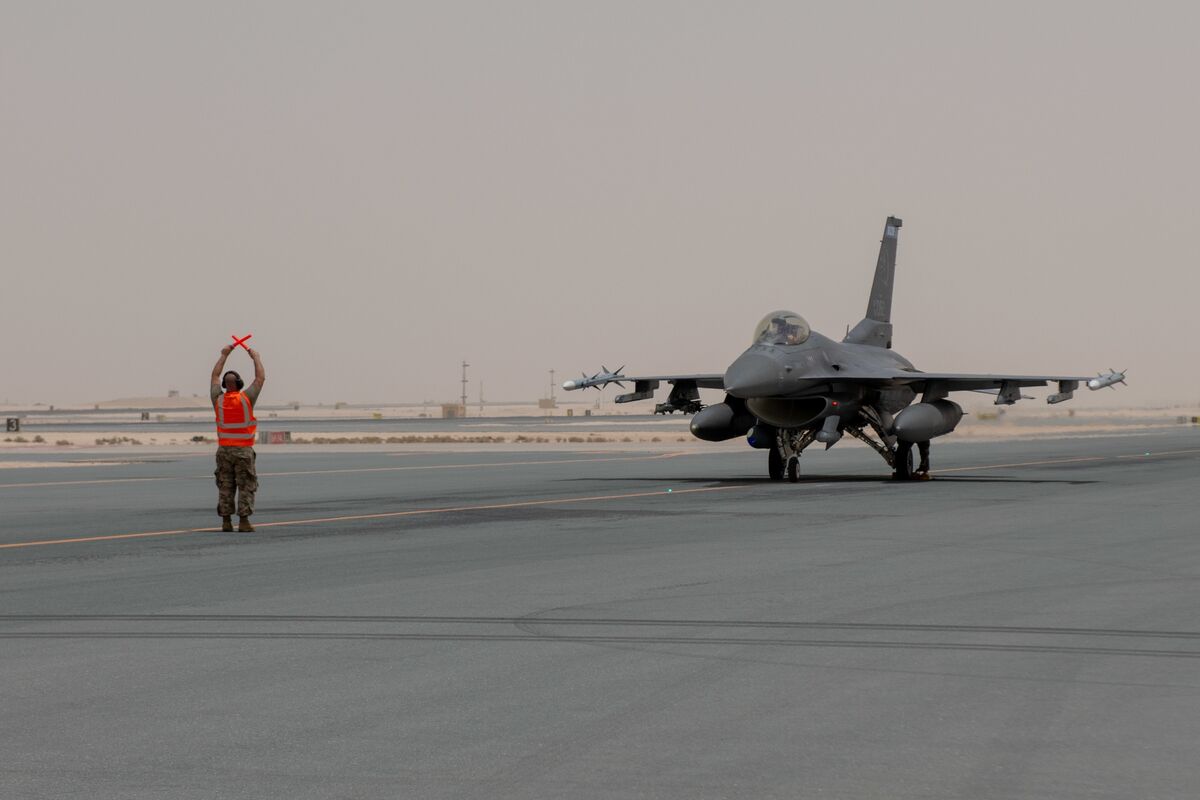
Iran launched retaliatory missile strikes targeting the Al Udeid air base in Qatar, the largest US military facility in the Middle East, following recent US airstrikes on Iranian nuclear sites. Qatar reported the barrage was intercepted with no casualties, despite the base being the regional headquarters for US Central Command and housing thousands of US service members, many of whom had been evacuated. This incident marks a direct escalation of US-Iran geopolitical tensions, carrying potential implications for regional stability and broader market sentiment, despite the lack of immediate physical damage.
A material escalation in geopolitical tensions has occurred following Iran's direct missile strike on the Al Udeid air base in Qatar, the regional headquarters for US Central Command. Although the attack was intercepted with no reported casualties, the event marks a significant shift from proxy conflicts to direct state-on-state military action. The choice of target, a major US military installation, underscores the seriousness of Iran's retaliatory posture following US strikes on its nuclear facilities. The market's perception of this event, reflected in a moderately negative sentiment score (-0.5) and a high impact score (0.7), indicates that investors are pricing in a heightened risk premium for regional instability, despite the lack of immediate physical damage. The prevailing 'uncertain' tone suggests that the primary concern is not the failed attack itself, but the potential for a subsequent, unpredictable cycle of retaliation between the US and Iran.
AI-powered research, real-time alerts, and portfolio analytics for institutional investors.
Request DemoOverall Sentiment
moderately negative
Sentiment Score
-0.50
