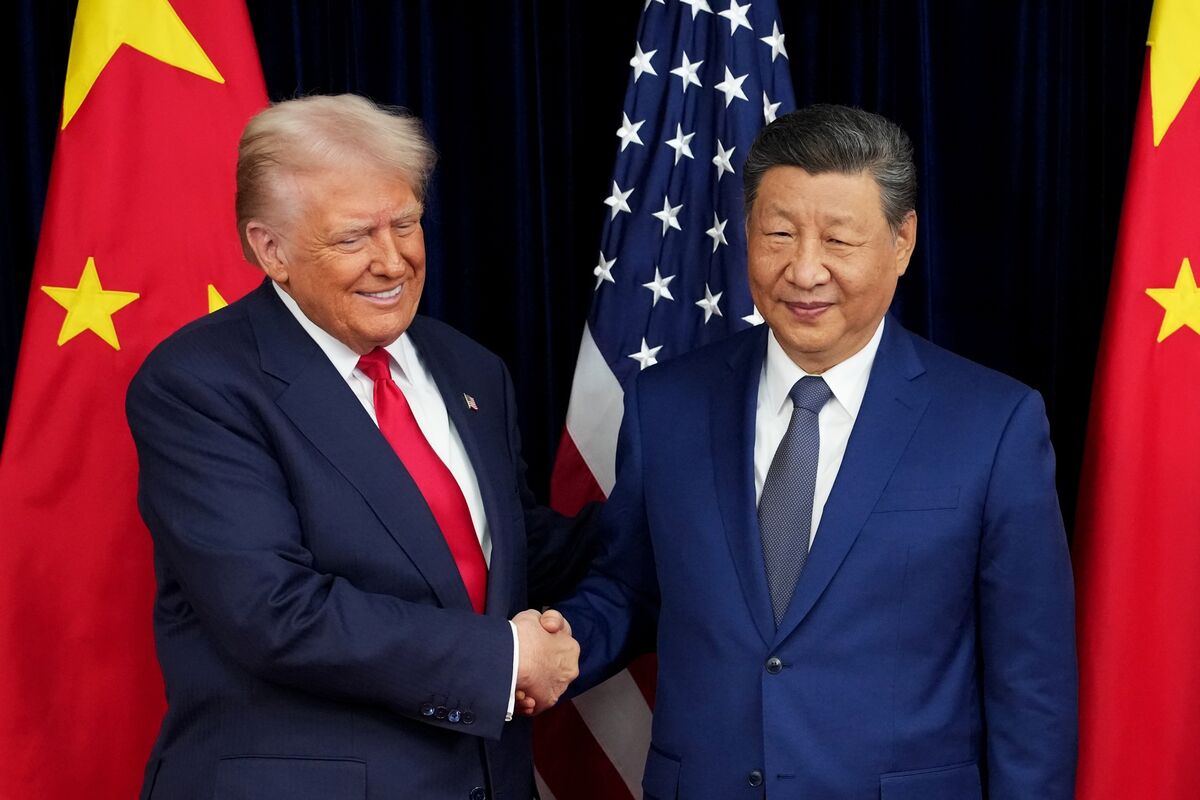
China said it dismantled a cross-border drug trafficking network in a joint operation with the US, with authorities detaining two Chinese and three American nationals. The coordinated raids took place last month in Liaoning, Guangdong, Florida, and Nevada. The report signals limited bilateral cooperation ahead of a Xi-Trump summit, but it is unlikely to have a direct near-term market impact.
This is less about narcotics enforcement and more about signaling reliability into a high-stakes bilateral summit. The key second-order effect is that Beijing is trying to prove it can deliver transactional cooperation even while strategic friction remains high, which marginally lowers the odds of abrupt escalation on the trade/sanctions front in the next 1-3 weeks. That matters most for sectors exposed to policy shock — semis, industrial tech, and any China-sensitive supply chain names — because headline risk from a failed summit often drives a bigger near-term tape move than the summit's substantive outcomes.
The beneficiaries are generally defensive: multinational firms with large China revenue or sourcing exposure gain a small reprieve from worst-case policy pricing, while domestic China-facing cyclical names may see a short-lived reduction in discount rates. The losers are companies and ETFs positioned for immediate de-risking or tariff retaliation; if cooperation is emphasized publicly, those trades can unwind quickly even though the underlying strategic competition is unchanged. The second-order trap is that symbolism can suppress volatility for days, but it does not change the medium-term path on export controls, fentanyl precursors, or technology restrictions, so any relief rally is likely to be shallow unless accompanied by concrete concessions.
The contrarian view is that the market may be underpricing how often both sides stage enforcement cooperation right before summits without meaningfully changing the policy trajectory. In that case, the move should fade after the event: once the optics dividend is harvested, the overhang on China-sensitive equities returns within 2-6 weeks. The best risk/reward is to treat any rally as an opportunity to rebuild hedges rather than to chase beta.
A subtle catalyst is whether the US frames this as evidence of broader cooperation or as isolated law-enforcement theater. If Washington downplays it, the signal to markets is muted; if it leans in, near-term risk assets tied to China could squeeze higher, but that’s likely a tactical, not structural, repricing.
AI-powered research, real-time alerts, and portfolio analytics for institutional investors.
Request DemoOverall Sentiment
neutral
Sentiment Score
0.05
