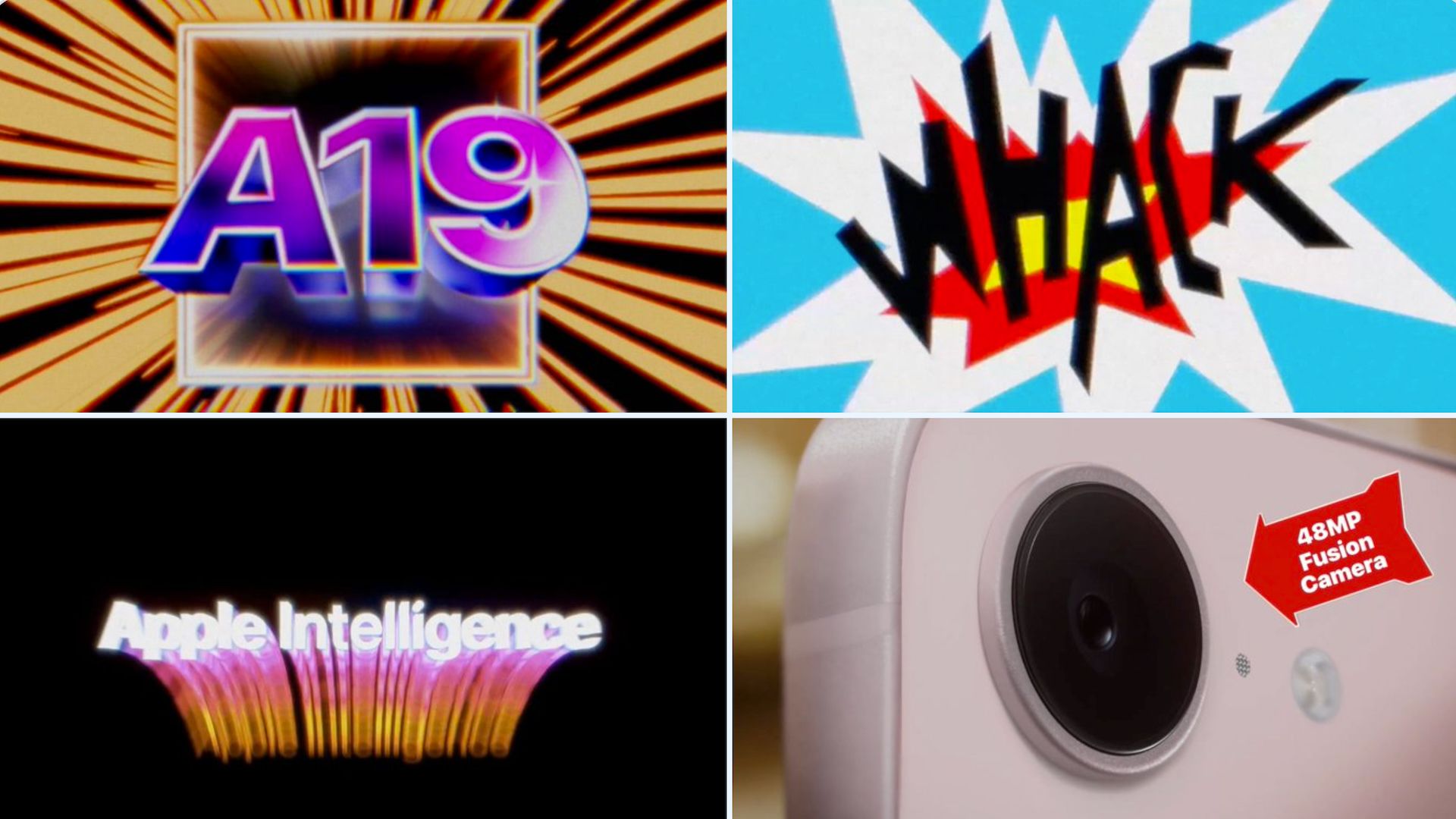
MacBook Neo debuts at $599 alongside new ads for the iPhone 17e and MacBook Air M5. Creative Bloq praises the campaign as a playful, inventive return-to-form—highlighting the iPhone 17e's maximalist visuals and the MacBook Neo's hands-on CGI and color-matched details. The refreshed marketing could modestly bolster consumer demand and brand perception but is unlikely to move Apple's stock materially without accompanying sales or financial data.
The ad creative renaissance is a non-linear brand asset — not just aesthetic but a demand-amplifying lever that disproportionately affects marginal cohorts (Gen Z, first-time laptop buyers) and shortens the payback on marketing spend. Expect a low-single-digit uplift in sell-through and search/traffic metrics concentrated in the next 3–12 months as campaigns convert interest into consideration; that can mute seasonality-driven downticks and raise realized ASPs on accessory and ecosystem attach for a few quarters.
Second-order supply and competitive effects are underappreciated: a successful low-price, colorful MacBook reweights component mixes toward higher-volume, lower-margin casing and display suppliers, increasing leverage for commodity-focused contract manufacturers while compressing per-unit gross margin for Apple unless scale offsets it. Competitors with Windows OEMs (and Microsoft’s Surface line) face pressure in education/entry segments, while creative-software vendors (Adobe) should see incremental engagement and potential expansion of subscription wallets from agencies and creators reformatting assets for new campaigns.
Key risk/catalysts: short-term sentiment can swing in days on creative reception and reviews, but durable revenue moves require 2–4 quarters of sustained sell-through and pricing discipline by Apple. Reversal triggers include weaker-than-expected inventory absorption, campaign backlash, or macro-driven consumer belt-tightening that strips the halo effect; regulatory or regional missteps could also truncate momentum.
The consensus treats this as PR noise; the contrarian view is that creative positioning materially expands lifetime value of younger cohorts if Apple sustains a string of culturally resonant launches — an outcome that boosts revenue more than margins initially. That asymmetry argues for convex, time-limited exposure rather than large, outright long-duration commitments.
AI-powered research, real-time alerts, and portfolio analytics for institutional investors.
Request TrialOverall Sentiment
mildly positive
Sentiment Score
0.25
Ticker Sentiment
