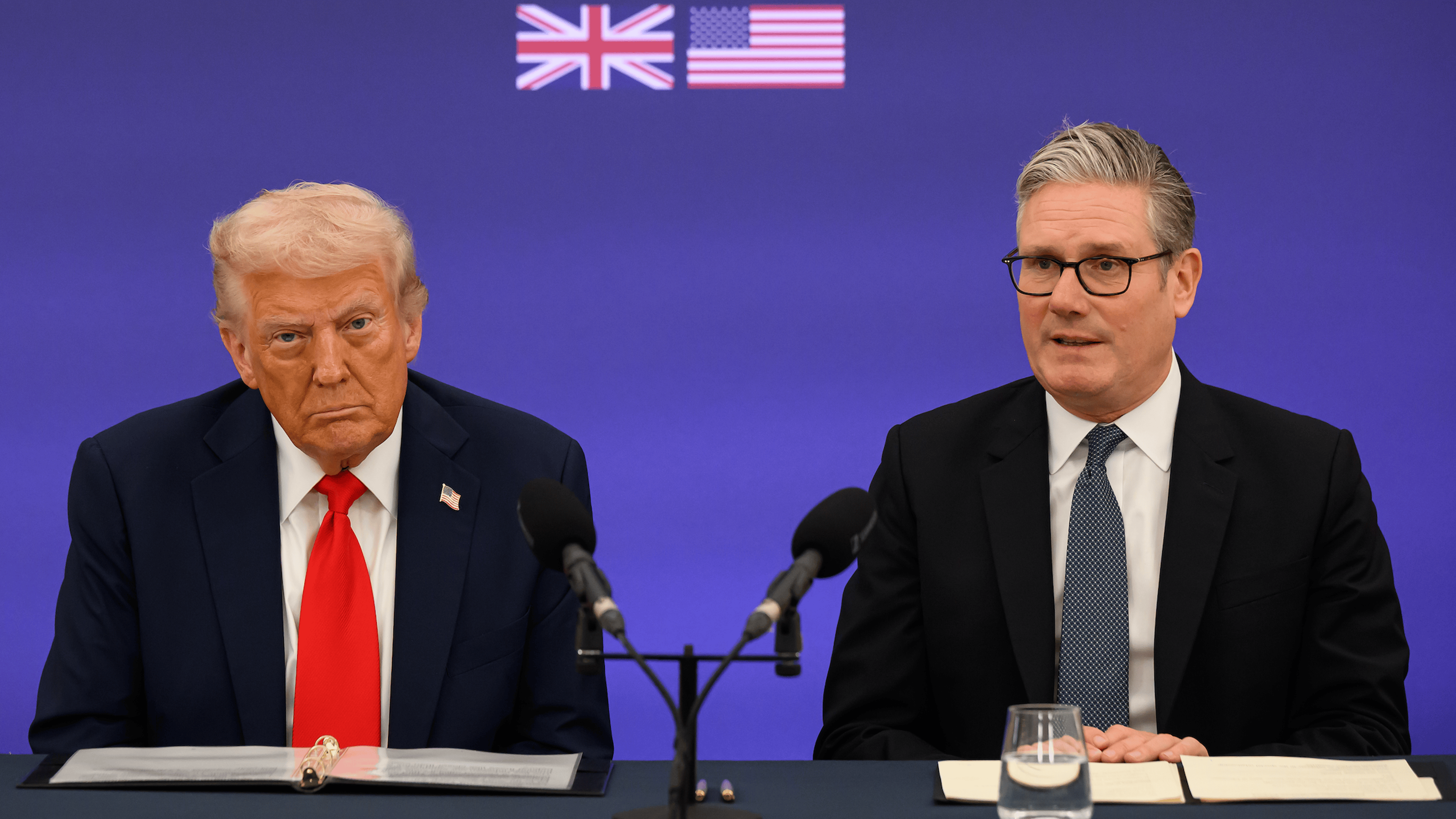
The article highlights ongoing geopolitical tensions around the Iran war and the Strait of Hormuz, with leaders warning that disruptions have driven oil and gas prices higher and raised global economic instability. U.K. Prime Minister Keir Starmer urged de-escalation, diplomacy, and energy resilience, while European leaders broadly backed the temporary cease-fire but stressed the need for a lasting peace. The main market relevance is through energy supply risk and broader risk sentiment, rather than any single asset-specific development.
The market’s real read-through is not “Middle East headline risk” in isolation, but a re-pricing of European energy autonomy and logistics redundancy. If policymakers in the U.K. and Europe conclude that maritime chokepoint exposure can no longer be managed as a temporary shock, capex shifts toward LNG import capacity, storage, grid hardening, and defense-adjacent infrastructure should outlast the immediate cease-fire narrative. That creates a second-order beneficiary set: equipment providers, utilities with regulated returns, and engineering firms tied to resilience spend, while more trade-exposed industrials face a higher risk premium from persistent input volatility.
The bigger tactical implication is that oil/gas volatility may stay elevated even if spot prices mean-revert, because the risk premium is now more policy-driven than supply-driven. That matters for airlines, European chemicals, and consumer discretionary in the next 1-3 months: margins can compress from hedging resets and inventory timing before end-demand visibly slows. Conversely, integrated energy names with downstream exposure and LNG leverage are better insulated than pure upstream, because their cash flows benefit from volatility without needing a sustained directional move.
Contrarian view: the consensus may be overestimating how durable the “resilience” trade is without a fresh supply shock. If the cease-fire holds and transit normalizes, the market could quickly fade the geopolitical premium, leaving crowded longs in European defense and energy infrastructure vulnerable over 4-8 weeks. The more attractive asymmetry is in options, not outright directional equity bets: elevated implied volatility should be monetized until there is evidence that shipping insurance, tanker rates, and European policy announcements translate into actual balance-sheet spending.
AI-powered research, real-time alerts, and portfolio analytics for institutional investors.
Request DemoOverall Sentiment
mildly negative
Sentiment Score
-0.15
