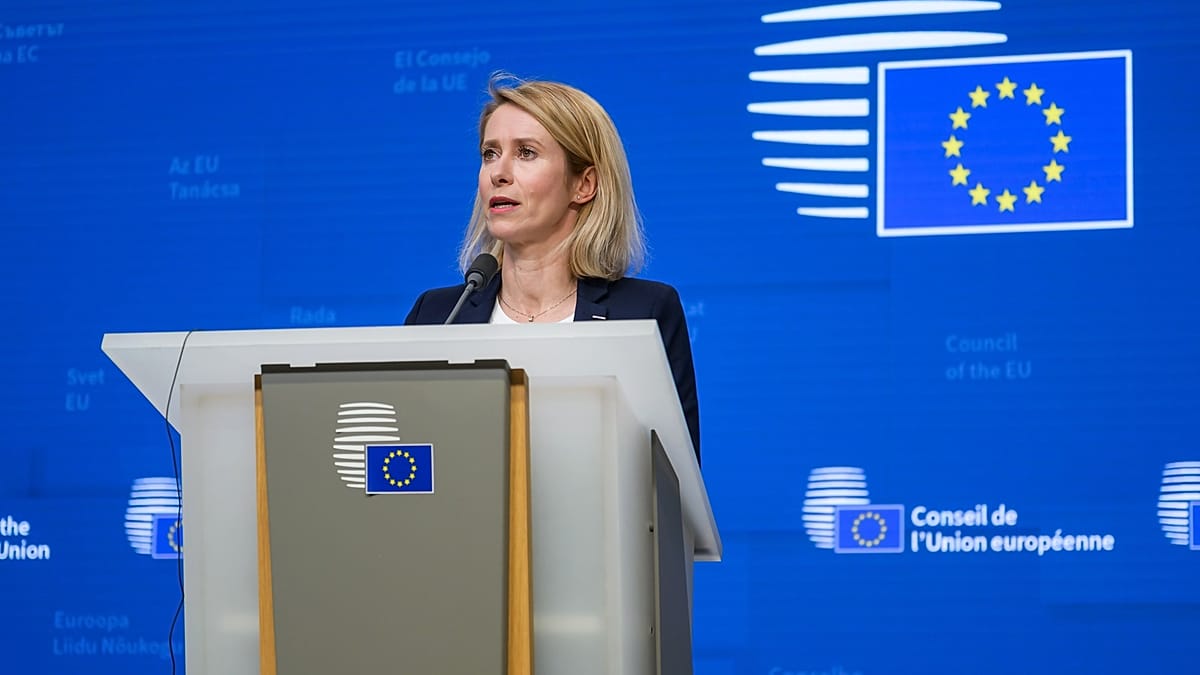
Hungary unexpectedly vetoed a €90 billion EU loan package for Ukraine and blocked a new round of Russia sanctions, citing an unrelated dispute over halted crude flows via the Soviet-era Druzhba pipeline that Hungary and Slovakia attribute to Ukraine. EU leaders sharply rebuked Budapest for breaching the principle of unanimous cooperation; the veto stops the budget-rule amendment element of the assistance (the other two measures were already approved) and risks delaying the first disbursement planned for early April. The dispute raises short-term political and energy-security risks for the bloc, has prompted the Commission to convene an Oil Coordination Group and may be tied to Hungary’s upcoming election, creating policy uncertainty for investors with exposure to European energy and sovereign risk.
Market structure: The veto crystallises a small but high-impact political risk premium concentrated in Hungary/Slovakia/Czech exposure and in Central European energy/refining flows. Expect downward pressure on HUF and Hungarian sovereign bonds (10y +30–80bps possible) within days–weeks, while short-term seaborne crude demand into the Black Sea/Baltic region rises, putting modest upside pressure on Brent/Med heavy/sour differential (USD +$1–4/bbl over weeks). Equity winners are flexible oil carriers and defence primes; losers are Hungarian banks, domestic utilities/refiners relying on Druzhba flows. Risk assessment: Tail risks include EU punitive financial measures (suspension of cohesion funds or Article 7-style processes) that could push HUF -10%+ and Hungarian 10y yields +150–300bps within 3–12 months. Near-term (days/weeks) the biggest shock is FX/bond repricing; medium-term (months) is legislative change on unanimity that could politicise other vetoable items. Hidden dependency: Central European refineries’ crude slate inflexibility means downstream margin shocks propagate to regional bank asset quality. Trade implications: Tactical plays: short Hungarian sovereign/bank exposure and hedge HUF via EUR/HUF forwards/options 3–6m; buy short-dated Brent call exposure (3m) to capture pipeline-disruption premium while keeping size small (notional ≤1–2% portfolio). Rotate into defence primes (Rheinmetall RHM.DE, Lockheed LMT) on a 6–12m view if funding gaps force bilateral arms deliveries; trim regional refinery/refining-integrated names (MOL.MC / MOL.BU, PKN.WA) by 1–3% due to crude-feed risk. Contrarian angle: The market consensus treats this as temporary electoral posturing; that underestimates the probability (20–35%) of a protracted political standoff that triggers EU financial penalties. If sanctions/supervisory escalation does not occur within 30–60 days, the HUF bounce-back could be sharp (reversal 4–7%), creating an opportunity to buy back Hungarian assets. Historical parallels: 2018 Italy-EU standoff shows initial blow-up then partial normalization — plan for asymmetric option strategies to capture both outcomes.
AI-powered research, real-time alerts, and portfolio analytics for institutional investors.
Request DemoOverall Sentiment
moderately negative
Sentiment Score
-0.40
