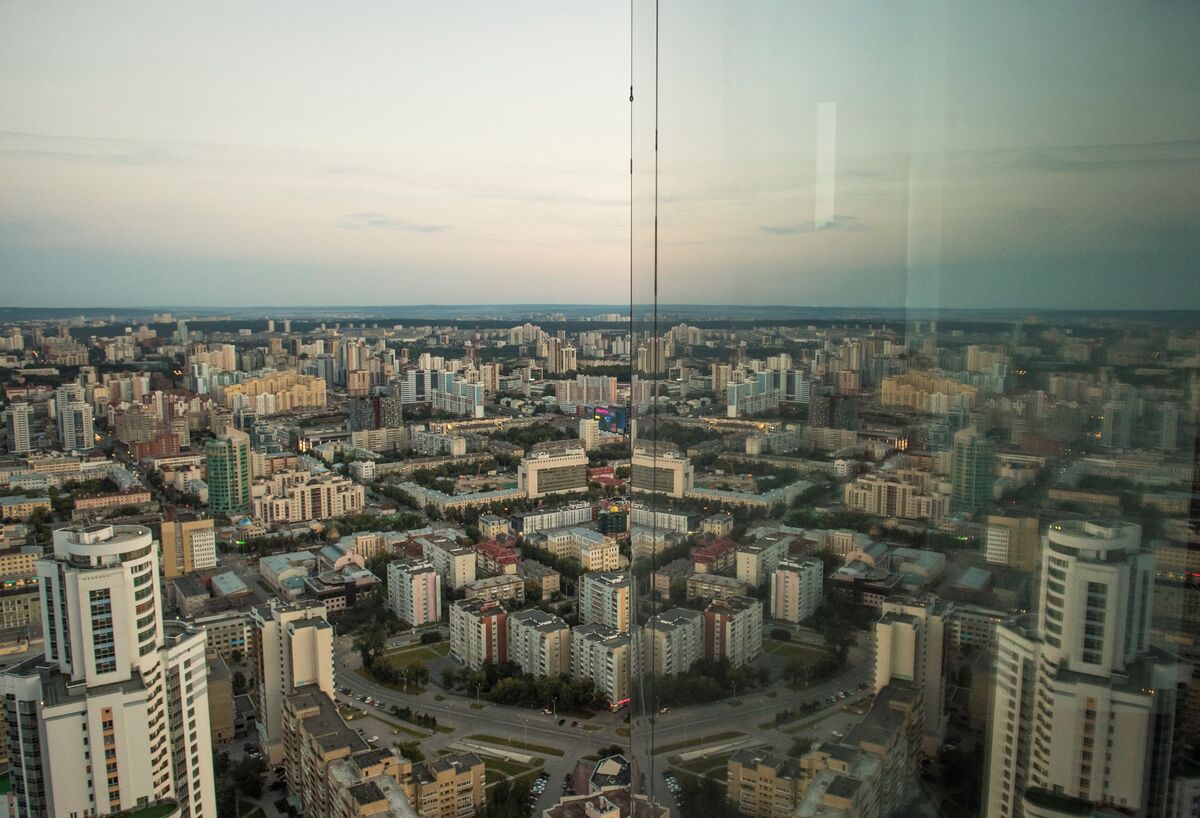
Ukrainian drones have now struck as far as 1,000 miles inside Russia, including a residential high-rise in Yekaterinburg, the first reported damage there since the 2022 full-scale invasion. Since early April, local authorities have suspended operations at Yekaterinburg’s airport on five separate days due to drone threats. The escalation highlights expanding strike range and growing disruption to Russian civilian infrastructure and transportation.
The underappreciated shift is that Ukraine’s drone campaign is no longer just a battlefield tactic; it is becoming a standing tax on Russia’s interior logistics network. Repeated airport suspensions and the need to harden air defenses hundreds of miles from the front force Moscow to spend scarce interceptors, manpower, and command bandwidth on rear-area protection, which is economically inefficient and operationally sticky. That favors any supplier tied to air defense, EW, sensors, or point-defense ammunition, while compounding reliability risk for Russian civil aviation, rail-adjacent throughput, and time-sensitive industrial inputs.
The second-order effect is on regional industrial confidence, not just headline damage. When a city deep in the Urals can be penetrated, insurers, contractors, and local managers will quietly reprioritize inventory buffers, security capex, and travel/logistics contingencies, increasing friction costs across non-military supply chains over the next 1-3 quarters. That can slow domestic throughput in sectors that depend on just-in-time coordination, even if the physical destruction remains limited.
The main catalyst path is escalation in range, frequency, or target quality; the risk-off impulse likely persists over days to weeks, but the investment impact matters over months if Russia is forced into a more expensive air-defense posture. What could reverse the trend is improved Russian counter-UAS coverage, a negotiated pause, or a depletion in Ukraine’s strike inventory, but none of those are near-term assumptions. The contrarian view is that markets may overestimate direct macro damage to Russia while underestimating the asymmetry of defense spending: the real trade is not ‘Russia breaks’ but ‘Russia must buy more low-margin protection at high urgency.’
AI-powered research, real-time alerts, and portfolio analytics for institutional investors.
Request DemoOverall Sentiment
moderately negative
Sentiment Score
-0.40
