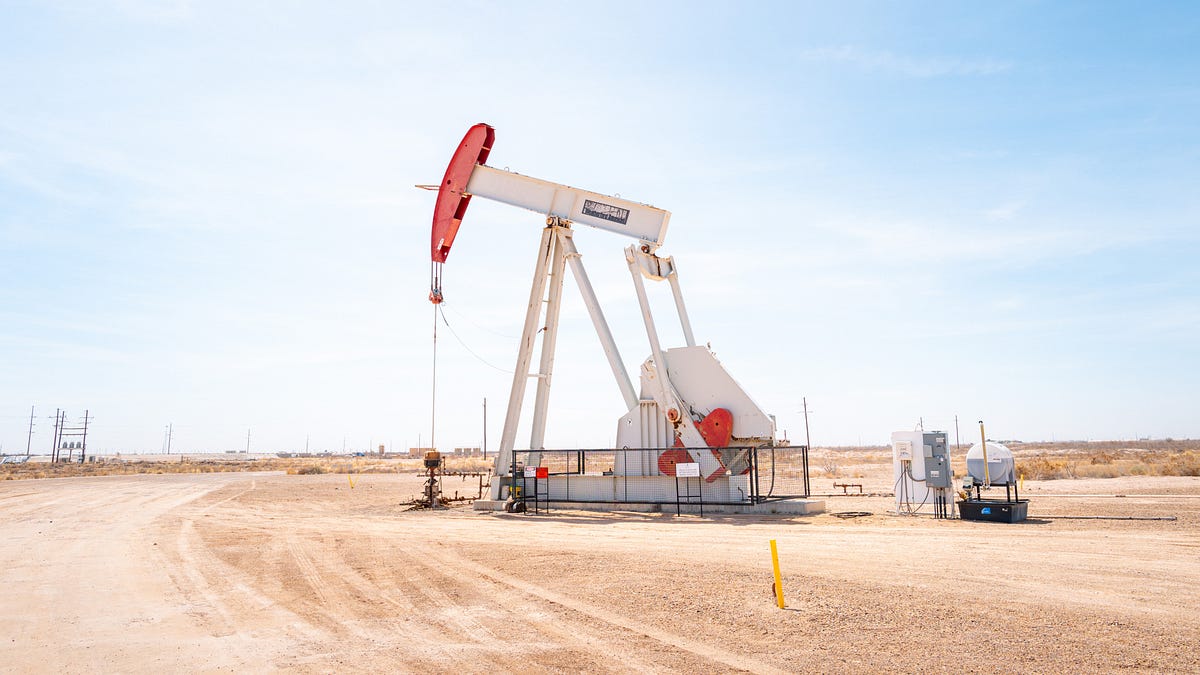
Brent crude briefly spiked above $119/bbl and settled near $108, diesel is >$5/gal and gasoline is approaching $4/gal, driving U.S. consumers to spend an estimated $300M/day more on gasoline versus a month ago. Attacks on energy infrastructure — Israel hit Iran’s South Pars and Iran struck a major Qatari LNG facility (Qatar exports down ~20% for up to five years) — create prolonged supply shocks that materially raise U.S. recession risk (consensus forecasters had ~33% odds pre-escalation). Policy options are constrained: the Fed faces a stagflation tradeoff (inflation still elevated) and fiscal relief risks stoking inflation while the Pentagon has requested an additional $200B, underscoring broader fiscal and market stress.
The immediate macro transmission is less about headline crude and more about reallocation of discretionary cash into energy and essentials; $300M/day of incremental gasoline spend (~$9B/month) is a liquidity tax that hits small retailers, leisure travel, and regional banks first and then propagates into investment and hiring decisions. That creates a tight window (0–6 months) where revenue downgrades and margin pressure force cost cuts, raising the odds of corporate credit stress in leveraged private-credit and high-yield borrowers that had been refinancing on thin spreads.
Second-order supply-chain effects amplify persistence: fertilizer and chemical input shortages imply a multi-season (3–18 month) shock to agricultural output in import-dependent regions, which will push food CPI and trigger EM balance-of-payments stress, safe-haven flows, and higher funding costs for commodity importers. At the same time, physical damage to Gulf energy infrastructure converts a transit shock into a structural supply shortfall — that favors capex providers, specialty engineering, and materials suppliers for years rather than months.
Catalysts that would unwind much of this are identifiable and short-dated: a credible diplomatic ceasefire or coordinated large SPR release that takes Brent below ~$80 for 30 days would sharply reduce risk premia; conversely, any further strikes on processing/refinery hubs that sustain Brent >$100 for 90+ days would lock in stagflation dynamics. The asymmetric tail is clear: short, sharp relief is plausible in weeks; structural rebuilding and inflation persistence plays out over quarters to years and is where active positioning earns excess return.
AI-powered research, real-time alerts, and portfolio analytics for institutional investors.
Request DemoOverall Sentiment
strongly negative
Sentiment Score
-0.70
Ticker Sentiment
