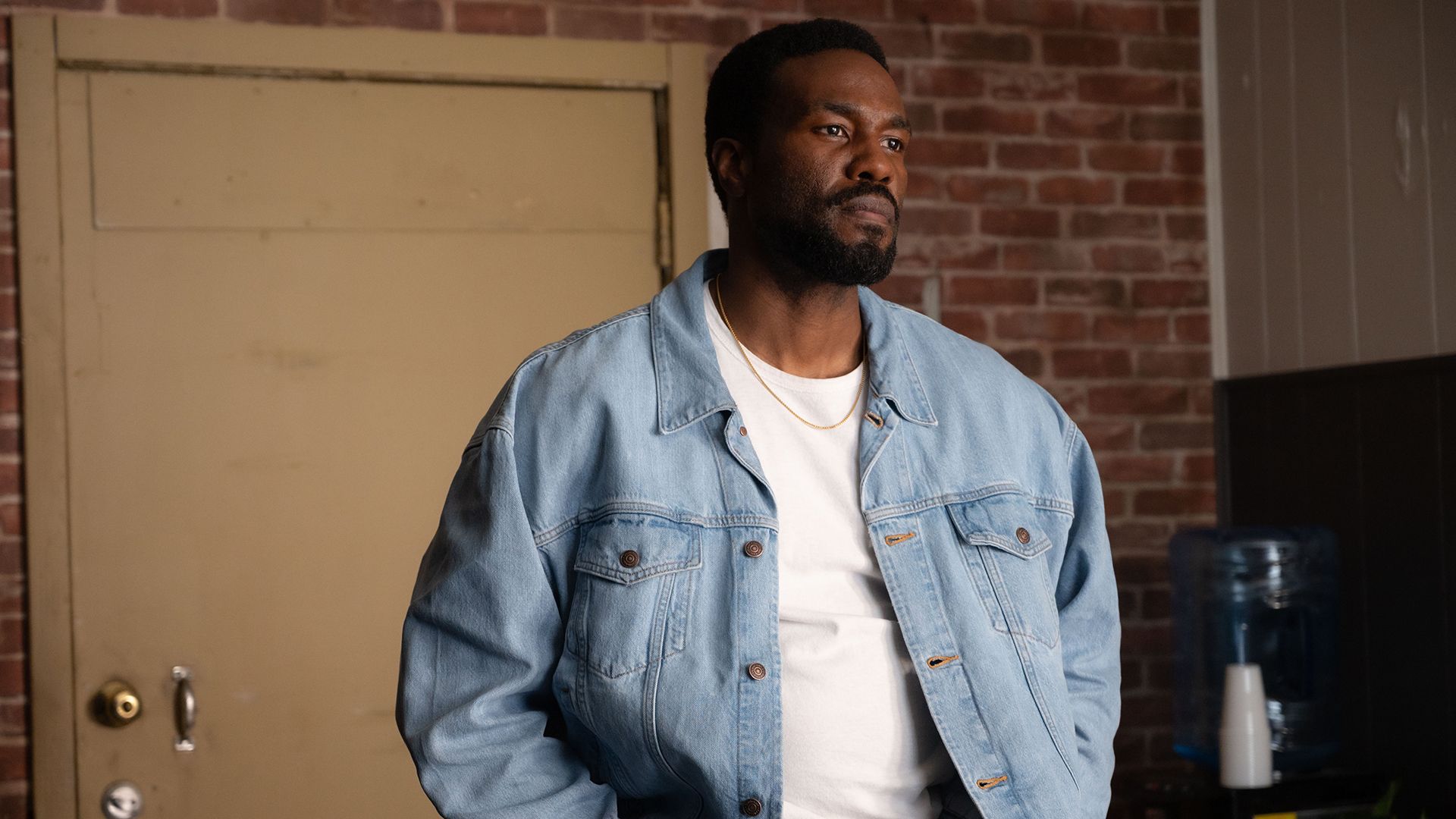
Disney+ will drop all eight episodes of Marvel's Wonder Man on its launch date (Jan 27/28), a release strategy the show's head writer Andrew Guest says he was not involved in deciding. The piece highlights that Marvel TV release strategies vary (Echo previously had a full-day drop) and frames the all-at-once rollout as a marketing and viewer-engagement decision likely to affect short-term consumption patterns but with limited direct financial impact on Disney/Marvel fundamentals.
Market structure: Disney (DIS) is the direct beneficiary of a full-drop strategy if the launch drives a short-term engagement spike (estimate +10–20% viewing hours week 1) and incremental subscriptions; advertising/CPM upside is limited unless weekly retention improves. Competitors like Netflix (NFLX) see neutral-to-mixed impact—Disney adopting binge drops narrows Netflix’s experiential differentiation but does not immediately change pricing power; expect share shifts measured in basis points of global subs over quarters, not days. Supply/demand: more all-at-once launches increase content supply into short attention windows, pressuring per-title marginal returns and increasing the need for hit-driven successes to sustain ARPU. Cross-asset: a strong or weak reception will likely move DIS equity ±3–6% near-term, shift media sector credit spreads by ~5–15bp on sentiment shocks, and lift equity options implied vol by 2–6pt; FX and commodities impact negligible. Risk assessment: tail risks include a high-profile flop that triggers >200k net subscriber loss (low-probability, high-impact) or negative press that reduces ad CPMs by >10%—either could compress Disney’s FY2026 free cash flow by hundreds of millions. Timeline: immediate (days) — earnings/share moves and IV spikes; short-term (weeks–months) — subscriber trends and ARPU revisions ahead of Disney’s next quarterly report (~Mar–May 2026); long-term (quarters–years) — strategy shift to more binge drops could erode weekly engagement and ad revenue. Hidden dependencies: measurement delays (Disney often lags on viewership disclosure), bundle churn with ESPN/Hulu, and theatrical tie-ins that inflate or mask streaming ROI. Catalysts: first-week global viewership figures, critic/social sentiment, and March quarter subscriber/ARPU release. Trade implications: tactical long DIS exposure should be sized small (1–3% position) ahead of launch with downside defined via call spreads; buy DIS if first-week viewership exceeds 5–10M global viewers or social sentiment net positive >+20% conversation. Pair trade: long DIS (2%) / short NFLX (1–1.5%) over 1–3 months to capture a potential Disney narrative rebound while hedging market beta—reduce if Netflix posts stronger-than-expected retention. Options: consider DIS March 2026 call spreads to limit capital, and sell 30–45 day NFLX strangles only if implied vol > realized vol by 5+ vol points and position size <1% NAV. Sector: rotate 3–7% from pure-play streamers into diversified media/parks exposure if Disney post-launch metrics hold. Contrarian angles: consensus assumes binge drops equal Netflix-style durable engagement; that misses reduced social longevity and potential lower retention—historical parallels (Echo, Ironheart) showed limited stock uplift despite full drops. Market may underprice downside: a poorly received Wonder Man could trigger a 3–6% DIS downside and 5–10% ad-CPM re-rating over two quarters, creating a buying opportunity at deeper levels. Unintended consequence: repeated all-at-once releases may force Disney to increase marketing spend to create sustained buzz, compressing margins by 50–150bp per year if scaled. Watch for underdisclosed metrics—if Disney delays viewership transparency, the information asymmetry itself becomes a trading risk/catalyst.
AI-powered research, real-time alerts, and portfolio analytics for institutional investors.
Request DemoOverall Sentiment
neutral
Sentiment Score
0.00
Ticker Sentiment
