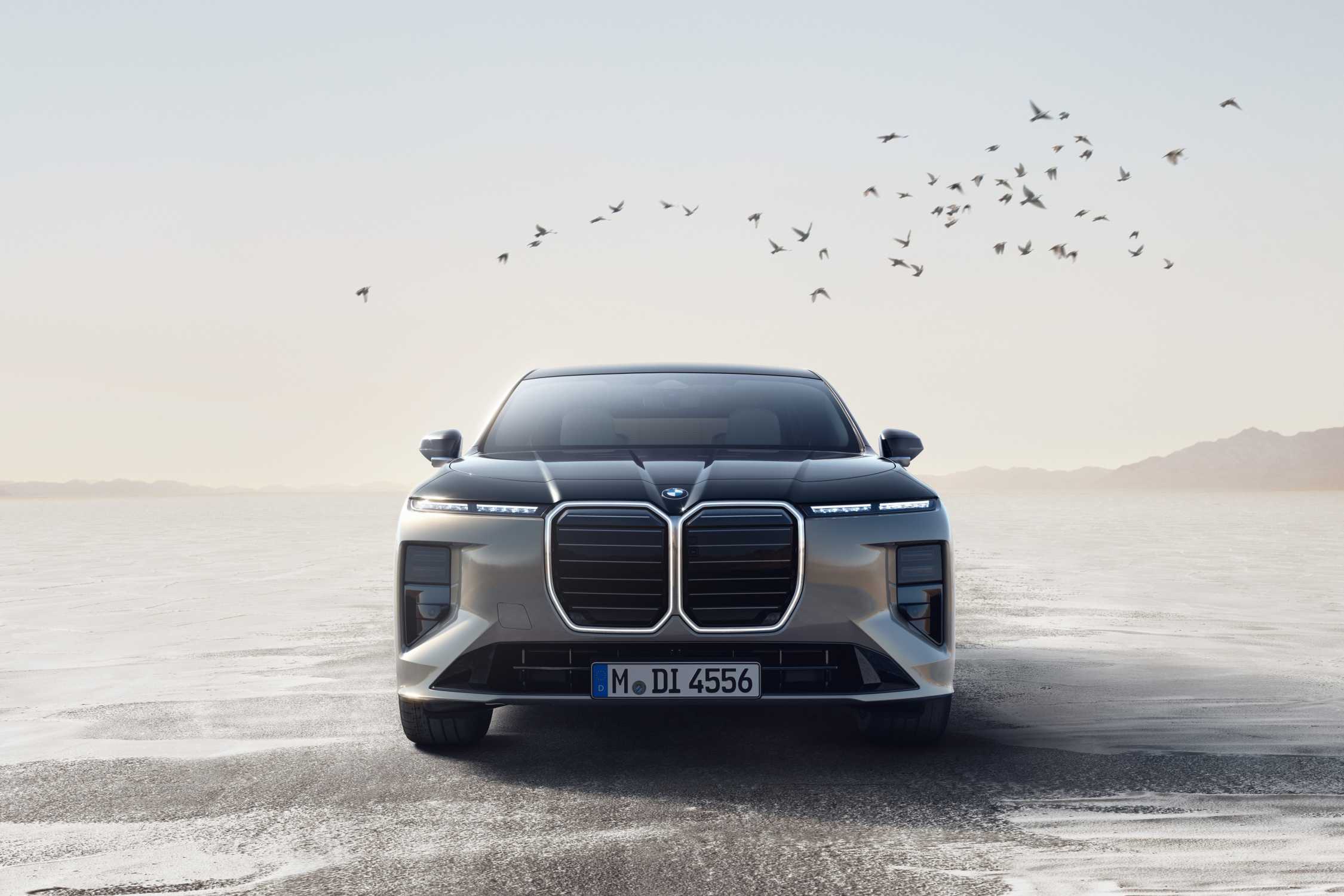
BMW unveiled the new 7 Series, its seventh-generation flagship sedan and the brand's most extensive model update ever, with Neue Klasse technologies, upgraded digital features, and expanded powertrain options including fully electric variants with over 720 km (447 miles) of WLTP range. The launch also highlights AI-enabled driver assistance, BMW Panoramic iDrive, and sustainability improvements across development and production. World premiere is set for 22 April 2026, with production and global market launch following from July 2026.
This is less a single-model refresh than a signal that BMW is using the flagship to pull forward platform credibility across the lineup. The economic implication is that the most margin-rich segment is now also the company’s technology showroom, which should help defend pricing power at the top end while reducing the perceived gap between legacy ICE/PHEV and the EV architecture in the eyes of luxury buyers. That matters because luxury demand is less elastic to sticker shock than volume segments, so even modest conversion gains can have an outsized effect on mix and residuals.
The second-order read is positive for suppliers with exposure to software, batteries, semiconductors, HVAC, premium interiors and driver-assistance content, but potentially negative for pure-play high-end ICE component vendors if the launch accelerates content migration toward electronics and battery systems. The rollout timing suggests the real earnings inflection is not the launch itself but the first 2-3 quarters after SOP, when dealer inventory, option take rates and export mix reveal whether the new tech stack is pulling forward orders or merely refreshing existing demand. If the vehicle lands well, the bigger beneficiary is not just BMW’s top line but its ability to lift attachment rates across the broader portfolio.
The contrarian risk is that this is a lot of technology bundled into a highly cyclical luxury product at a point when China sensitivity, warranty complexity and software execution risk are still underappreciated. A flagship can create halo, but it can also become a margin trap if production ramp, supplier quality or OTA/software issues force costly fixes. The market may be overconfident about the speed of monetization from new digital features; the true test is whether customers pay up for recurring software and rear-seat tech, or simply treat them as expected standard equipment.
From a trading perspective, the cleanest expression is a relative-value long in BMW versus a basket of European OEMs with weaker premium mix and less software content, initiated into any post-launch strength fade over the next 4-8 weeks. For second-order beneficiaries, long a supplier basket with exposure to ADAS, cockpits and battery content against traditional drivetrain names looks better than a broad auto long. The risk/reward improves if management commentary later confirms order quality and option monetization; if not, fade the rally because the launch premium can compress quickly once the market shifts from narrative to execution.
AI-powered research, real-time alerts, and portfolio analytics for institutional investors.
Request DemoOverall Sentiment
mildly positive
Sentiment Score
0.48
