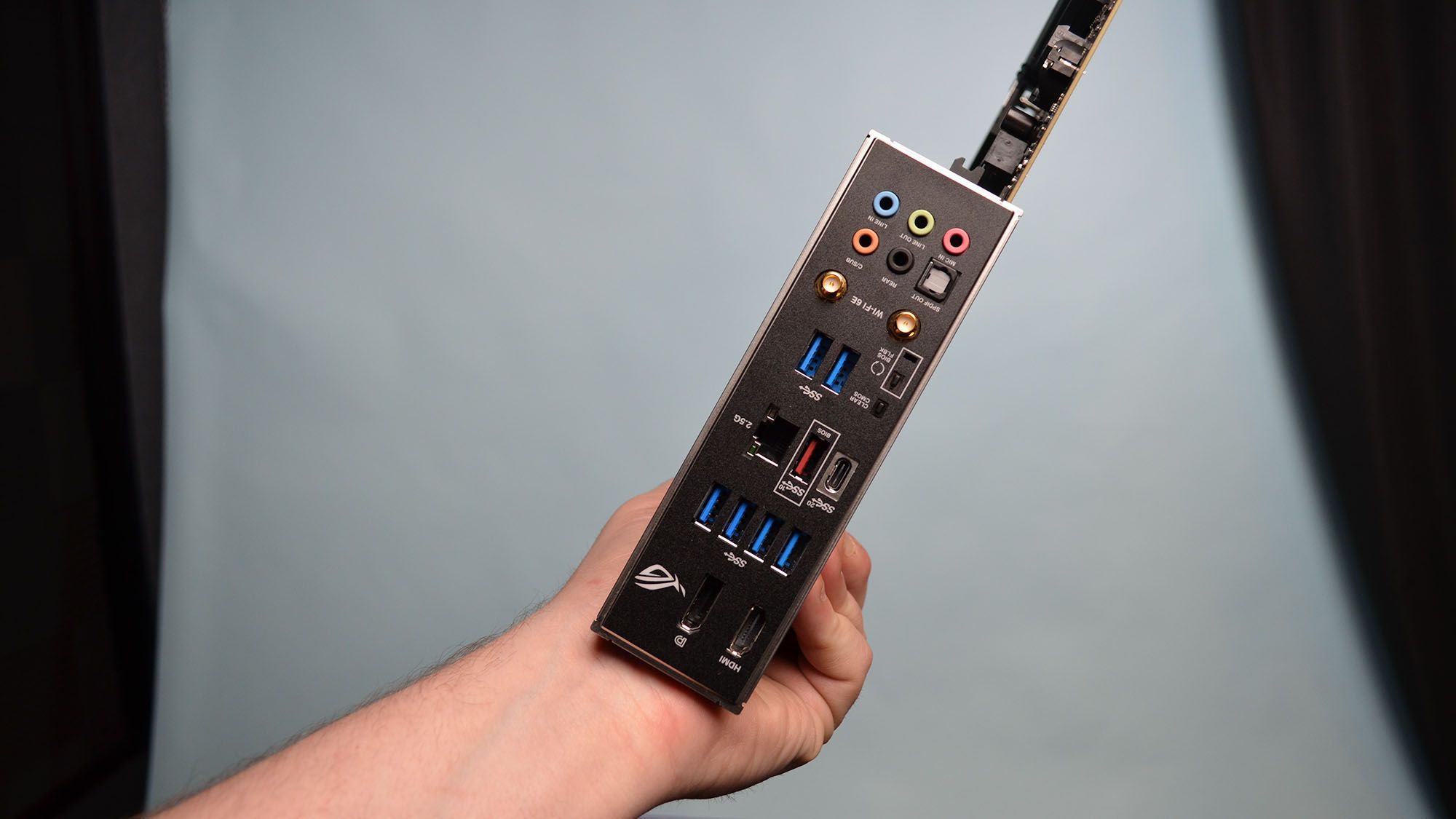
Digitimes reports a collapse in motherboard shipments tied to the RAM crisis, with Asus said to have shipped only 5 million boards in 1H 2026 versus a 10 million target, and MSI cutting its 2026 outlook to 8.4 million from 11 million. The shortage is depressing consumer demand for new PC builds and leaving inventory stranded on shelves. The article warns that if RAM prices normalize abruptly, motherboard prices could spike again due to constrained production.
This is less a discrete motherboard story than an early warning that the PC build cycle is being throttled by a memory-led capex squeeze across the entire consumer hardware stack. The important second-order effect is that OEMs and channel partners are likely to respond by cutting board production, discounting inventory, and preserving working capital — which can depress gross margins even before unit volumes fully roll over. The market usually underestimates how quickly “temporary” component inflation turns into a multi-quarter demand hole once buyers delay upgrades rather than merely defer them.
The near-term losers are the highly exposed board assemblers and any names where motherboard revenue is a meaningful but not dominant profit pool; the real damage comes from reduced attach rates for CPUs, cases, PSUs, and peripherals. If memory pricing stays elevated into the next two quarters, expect a lagged demand destruction effect: consumers who skip a build this cycle often don’t come back next quarter, they wait for an entire replacement window. That means the risk is not a one-month shipment miss, but a 2-4 quarter normalization of lower unit demand followed by a sharp ordering reset if memory availability suddenly improves.
The contrarian setup is that the current bearish read-through may be too linear for memory-intensive names. If the bottleneck persists, it actually supports pricing power and utilization for memory suppliers and could force a broader inventory correction that sets up a cleaner 2027 restock cycle. But if the AI supply chain relents even modestly, the rebound in motherboard orders could be violent because channel inventory has likely been run down, creating a classic bullwhip in the opposite direction.
The market is probably underappreciating how much of this is a timing issue versus a terminal demand issue. The signal to watch is whether board makers start talking about order cancellations and longer lead times on lower-end platforms; that would confirm the slowdown has moved from consumer hesitation to channel de-stocking. The tail risk is that a memory price collapse later forces a short, sharp restocking spike, which would punish anyone who extrapolates the current shipment trough too far forward.
AI-powered research, real-time alerts, and portfolio analytics for institutional investors.
Request DemoOverall Sentiment
moderately negative
Sentiment Score
-0.45
