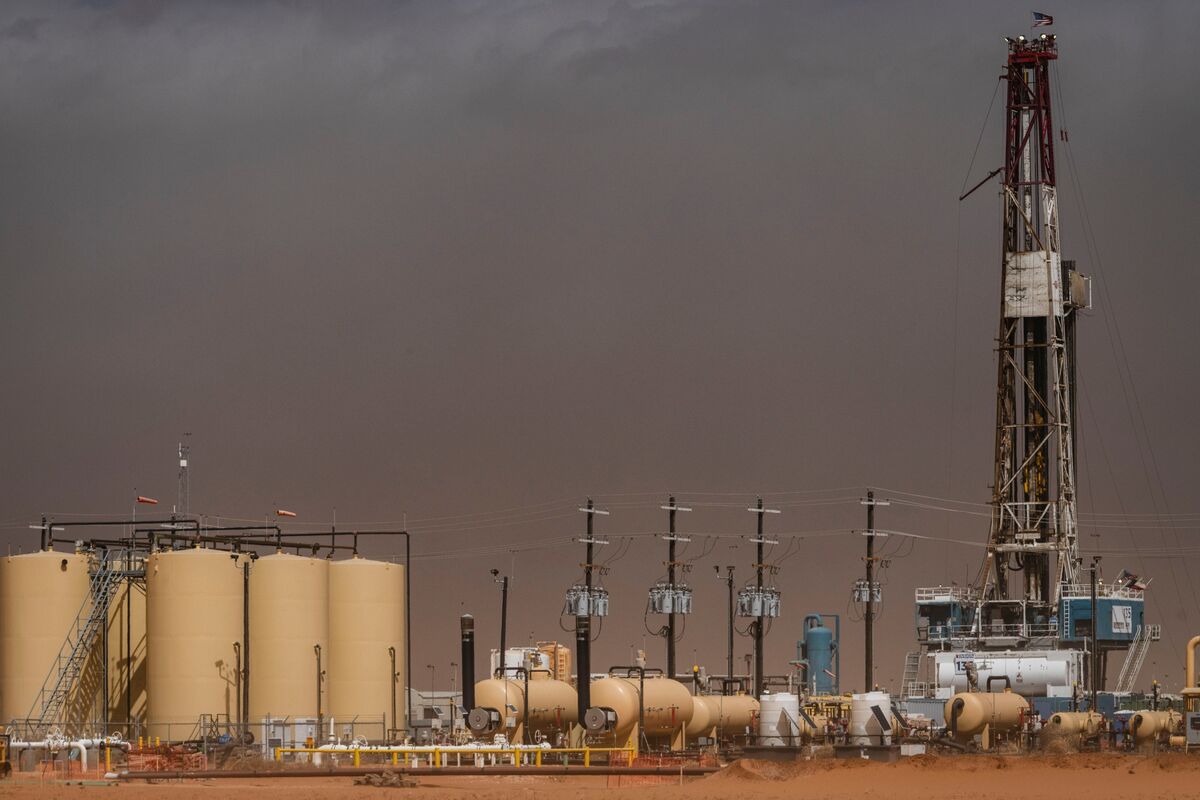
The Permian Basin, a critical global oil supply region, is confronting a significant and escalating challenge from toxic wastewater, producing 3-5 barrels for every barrel of crude. This issue, compounded by leaking wells, threatens regional production stability and could increase operational costs and environmental risks for energy companies operating in the basin.
The Permian Basin, a cornerstone of global oil markets, is confronting a significant operational and environmental headwind that threatens regional production stability. The core issue is the high water-cut, with production yielding three to five barrels of toxic wastewater for every barrel of crude oil, a problem exacerbated by leaking wells. This situation, viewed with strongly negative sentiment, points toward a future of escalating operational expenditures for producers as costs for water disposal, treatment, and environmental compliance rise. The problem introduces material ESG risks and heightens the probability of increased regulatory scrutiny, which could impact the long-term production outlook and investment appeal of the entire basin.
AI-powered research, real-time alerts, and portfolio analytics for institutional investors.
Request DemoOverall Sentiment
strongly negative
Sentiment Score
-0.70
