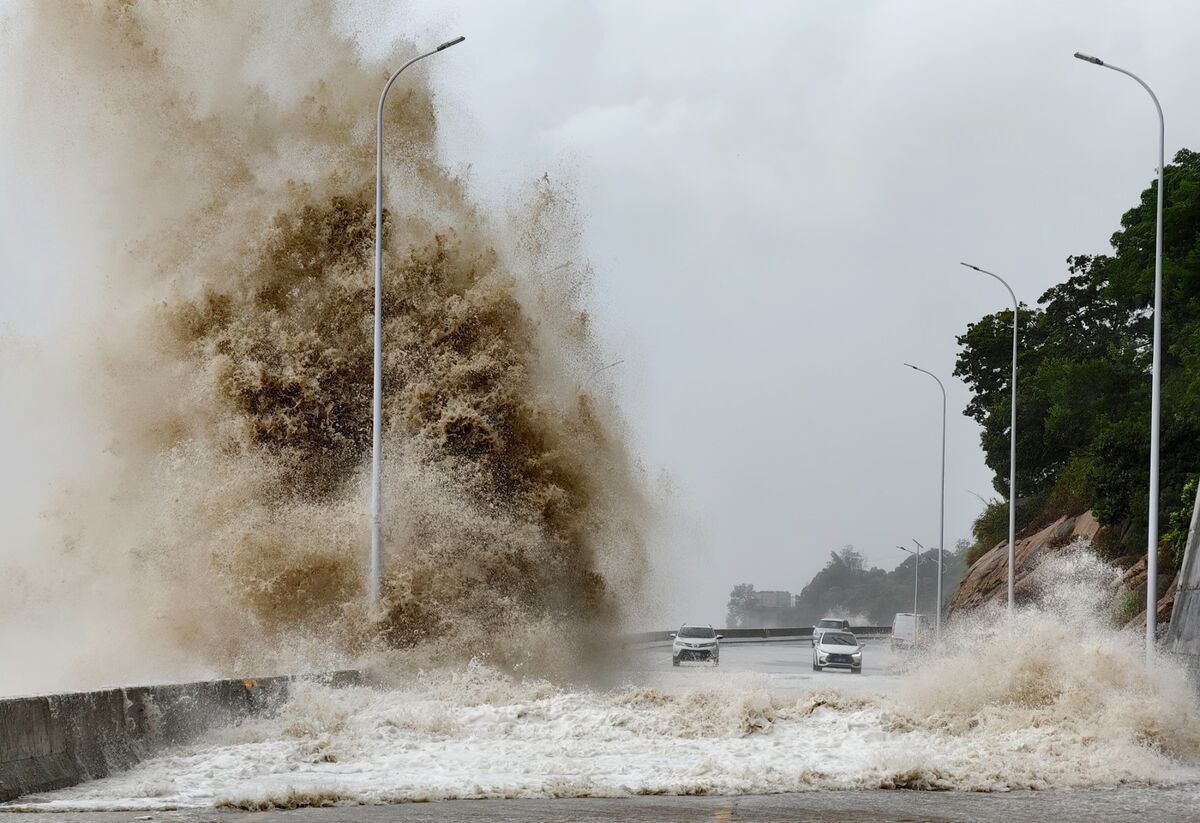
China and Japan are significantly increasing aerial reconnaissance missions into typhoons, a strategic shift driven by intensifying storms linked to warming temperatures and Asia's historical lag behind the U.S. in such data collection. This initiative, spearheaded by research institutions, aims to gather critical data to better understand and mitigate the growing economic and physical risks posed by more destructive cyclones in the region.
China and Japan are significantly scaling up aerial reconnaissance missions into typhoons, a strategic move to address intensifying storms linked to warming temperatures. This initiative aims to close a historical data gap, as Asia has historically lagged behind the US in such critical weather data collection. The research institutions spearheading this effort highlight the urgent need for better data to understand and mitigate the growing threat.
The increased data collection is crucial for mitigating the growing economic and physical risks posed by more destructive cyclones in the region. This development underscores the rising importance of climate resilience and adaptation strategies, particularly for industries with significant exposure to natural disasters in Asia.
While the immediate market impact is low (0.35) and sentiment is mixed (0.1), this operational shift reflects a broader, long-term trend of escalating climate-related risks. It signals a proactive, albeit belated, response to environmental challenges that will increasingly influence regional economic stability and infrastructure planning.
AI-powered research, real-time alerts, and portfolio analytics for institutional investors.
Request DemoOverall Sentiment
mixed
Sentiment Score
0.10
