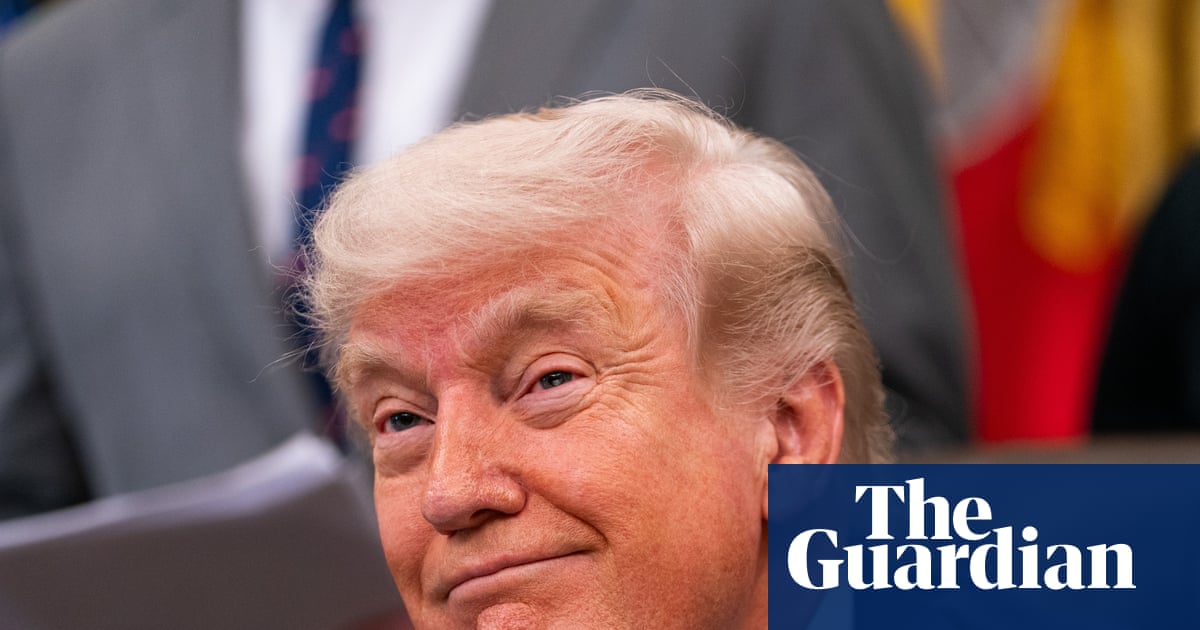
US-Iran talks remain stalled as Trump’s contradictory threats, naval blockade, and refusal to lift restrictions on the Strait of Hormuz have hardened Tehran’s position. Iran is signaling it will only accept a deal with an irreversible enforcement mechanism, while the closure of Hormuz underscores escalating energy and geopolitical risk. The article points to heightened odds of renewed confrontation and potential disruption to regional shipping and oil flows.
The market should treat the negotiation noise as a volatility event first and a supply event second. The real risk is not an immediate restart of exports, but a prolonged period where shipping insurance, payment rails, and port access remain uncertain, which keeps a risk premium embedded in crude and distillates even if barrels are not yet physically off the market. That tends to benefit upstream and tanker optionality while punishing refiners and any EM consumer names with direct fuel exposure.
Second-order effects matter more than the headline diplomacy. If Tehran believes any deal can be repudiated by the next tweet, the rational response is to harden bargaining chips: tighter enforcement around transit lanes, more shadow logistics, and a higher willingness to lean on regional proxies. That raises the probability of episodic, non-linear supply shocks over the next 2-8 weeks rather than a clean resolution, which is bullish realized volatility in oil and defensive relative performance in US defense and security-adjacent supply chains.
The contrarian point is that markets may be underpricing how much this actually strengthens the case for a structural, not tactical, agreement. If both sides keep signaling maximalism, the eventual deal may require third-party enforcement or escrowed concessions, which would be slower to implement but more durable. In that scenario, the current risk premium could persist longer than traders expect, and the better trade is not outright commodity beta but owning convexity around a delayed break in the standoff.
AI-powered research, real-time alerts, and portfolio analytics for institutional investors.
Request TrialOverall Sentiment
strongly negative
Sentiment Score
-0.55
