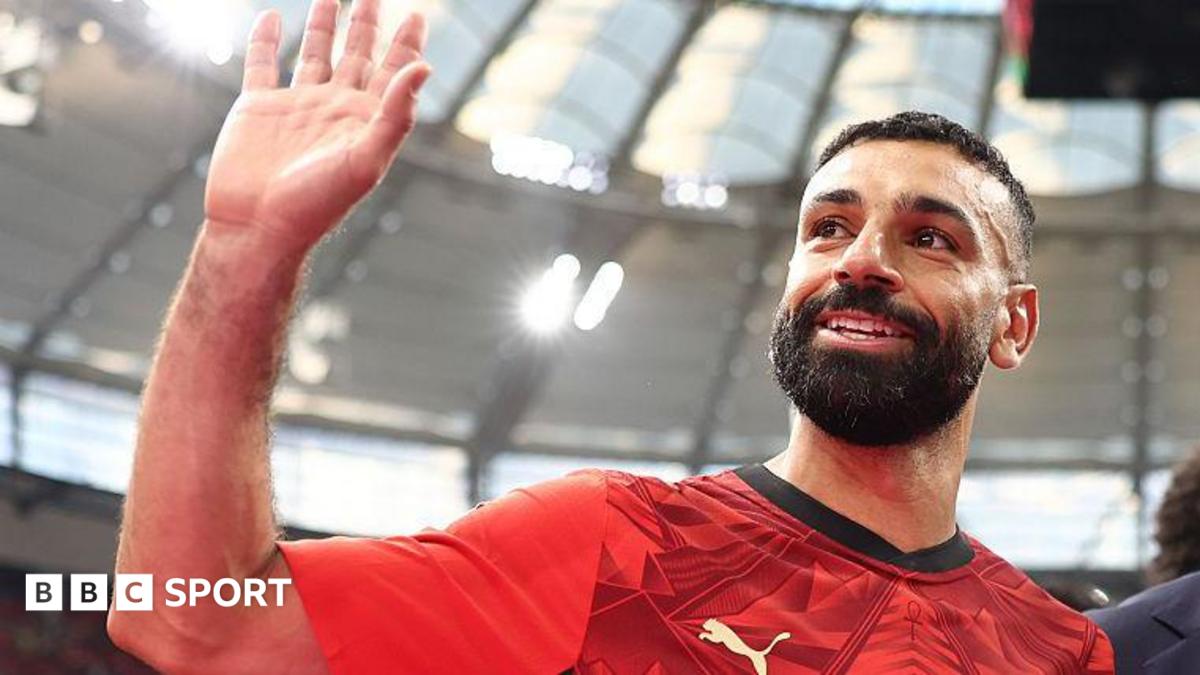
Egypt earned its first-ever World Cup win, beating New Zealand 3-1 behind Mohamed Salah's 67th-minute goal and an assist on Trezeguet's header. The result puts Egypt on the brink of reaching the last 32, with a point against Iran likely enough to advance. The article is sports-focused and sentiment is strongly positive, but the direct market impact is minimal.
Egypt’s win is not a tradable event in itself, but it is a demand signal for one of the few global media assets with real-time, emotionally sticky distribution: live football. The second-order beneficiary is the ecosystem around tournament audiences — broadcasters, streaming platforms, betting operators, and ad-tech names — because a national superstar carrying an underdog team into a must-watch knockout path lifts concurrent viewership and repeat engagement more than a generic marquee match. That matters most in emerging-market fan bases where mobile-first consumption and social virality can extend the monetization tail for weeks, not days.
The more interesting market angle is that this type of narrative compresses attention into a few concentrated fixtures, creating skewed upside for sponsors and media inventory owners while leaving broad macro exposure unchanged. If Egypt advances, the next match becomes a higher-probability prime-time draw in MENA and African markets, which can lift CPMs and in-play betting handle; if they exit, the incremental effect disappears quickly. The asset to fade is any assumption that this translates into durable brand equity for the team or player beyond the tournament — history suggests the monetization window is short and heavily dependent on elimination-stage depth.
The contrarian view is that consensus often overestimates how much a single superstar moves national-team outcomes once opponents adjust. The better trade is not on Egypt per se, but on the volume and engagement infrastructure around global football events: these narratives create bursts of high-value traffic that can surprise on the upside versus seasonal ad and wagering models. Tail risk is an early exit or injury, which would cut the engagement premium within 1-2 matchdays; upside lasts 2-6 weeks if the run continues.
AI-powered research, real-time alerts, and portfolio analytics for institutional investors.
Request DemoOverall Sentiment
strongly positive
Sentiment Score
0.75
