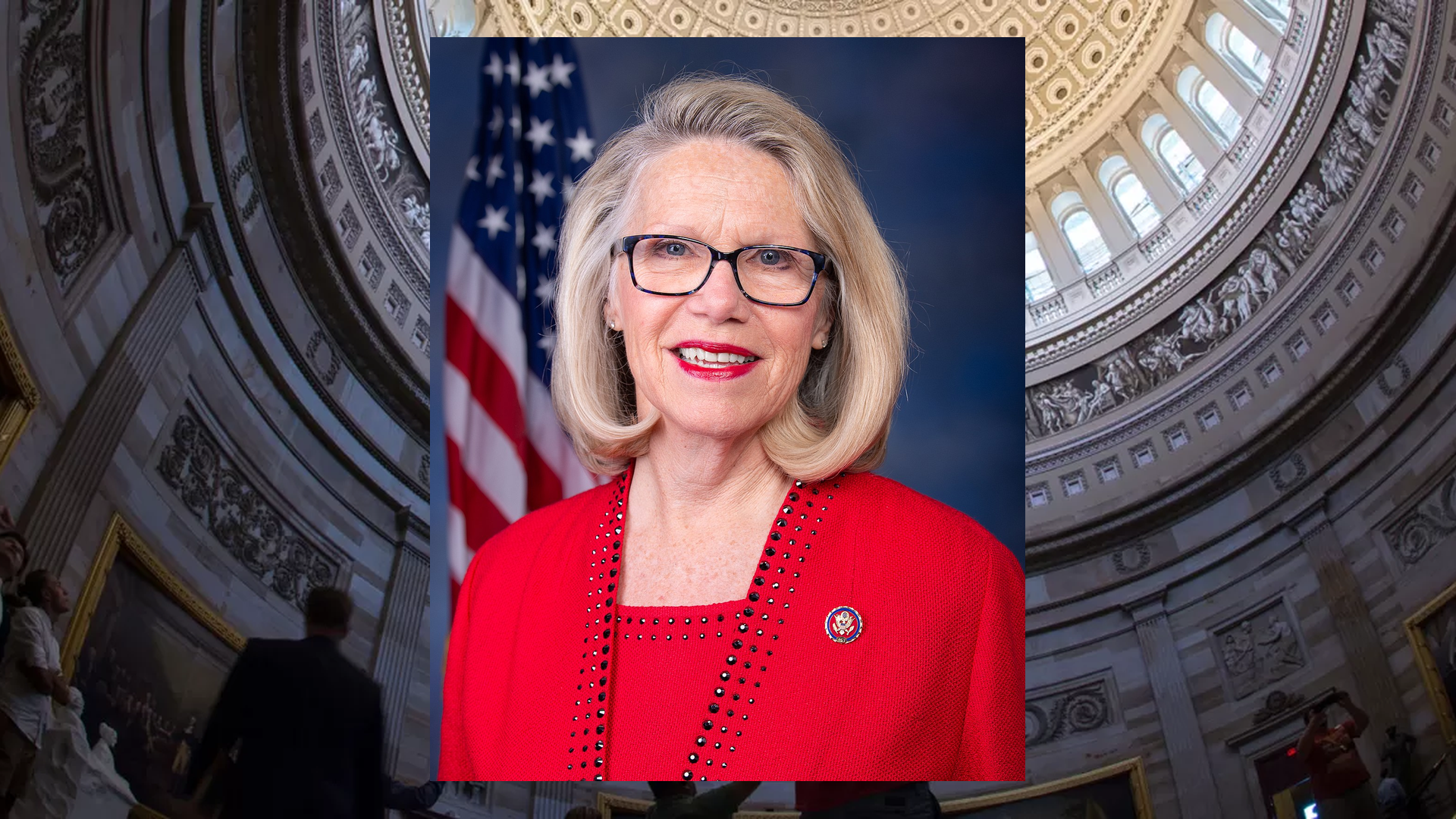
Congresswoman Carol Miller participated in a Ways and Means Committee hearing on Medicare waste, fraud, and abuse, with particular focus on fraudulent hospice and home health enrollment. Miller highlighted serious vulnerabilities in Medicare oversight, while witness Sheila Clark said enforcement efforts have helped but more education and state-federal coordination are needed. The article also includes routine political disclosure updates on Miller's fundraising, net worth, and legislative proposals, with limited immediate market relevance.
This is not a direct revenue event for any listed name, but it is a policy signal that the political system is converging on tighter Medicare payment integrity and more aggressive scrutiny of post-acute care. The first-order winners are the large, compliant operators with scale in hospice, home health, and managed care administration; the losers are smaller providers that rely on weak documentation, aggressive coding, or referral-heavy models. If enforcement gets meaningfully sharper, the market should expect a re-rating gap between audited public platforms and fragmented private competitors that can’t absorb compliance overhead.
The second-order effect is on utilization, not just reimbursement. In hospice, tighter enrollment controls can temporarily depress volumes and slow census growth, but they also reduce the risk of future clawbacks and payment freezes, which is why the cleaner operators may trade better over a 6-12 month horizon. In home health, the pressure is more subtle: more prior auth, documentation burden, and payment friction can shift mix toward higher-acuity episodes and away from marginal, low-margin visits, which favors operators with clinical workflow and data infrastructure.
The market is likely underpricing the probability that Medicare integrity efforts become a broader budget narrative in an election year. That creates a tail risk for the entire post-acute complex if hearings translate into audits, enrollment suspensions, or state-federal task forces with real enforcement power. The contrarian read is that this is selectively bullish for quality, because fraud crackdowns usually expand the moat for scaled incumbents while compressing returns for everyone else; the risk is only if Congress responds with blunt-rate cuts instead of targeted enforcement.
The highest-conviction trade is to own the largest, best-capitalized operators in adjacent post-acute and managed-care channels versus a basket of small-cap service providers exposed to Medicare mix. Over the next 3-9 months, that favors long quality and short fragility rather than a thematic short on healthcare overall.
AI-powered research, real-time alerts, and portfolio analytics for institutional investors.
Request TrialOverall Sentiment
neutral
Sentiment Score
-0.05
